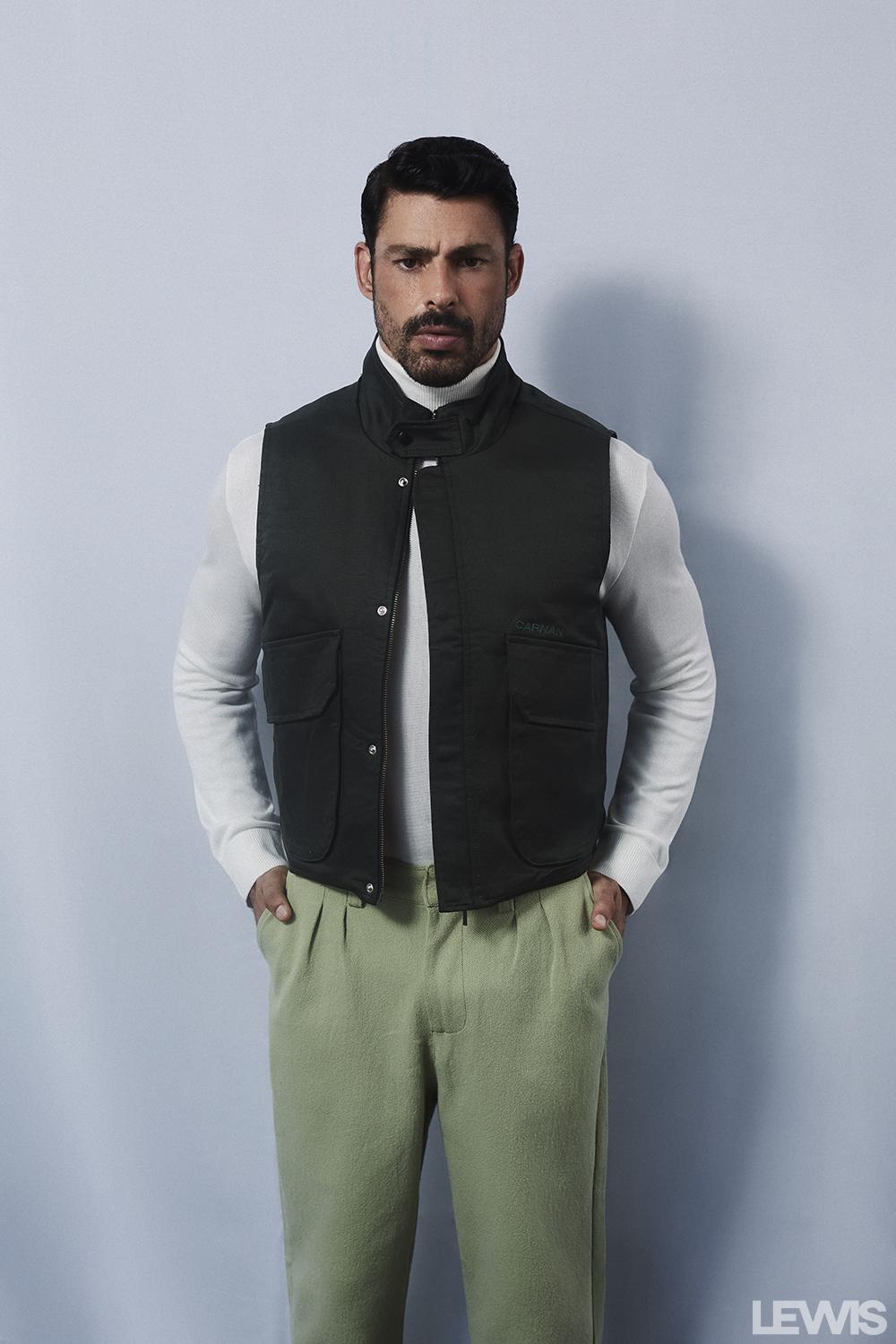

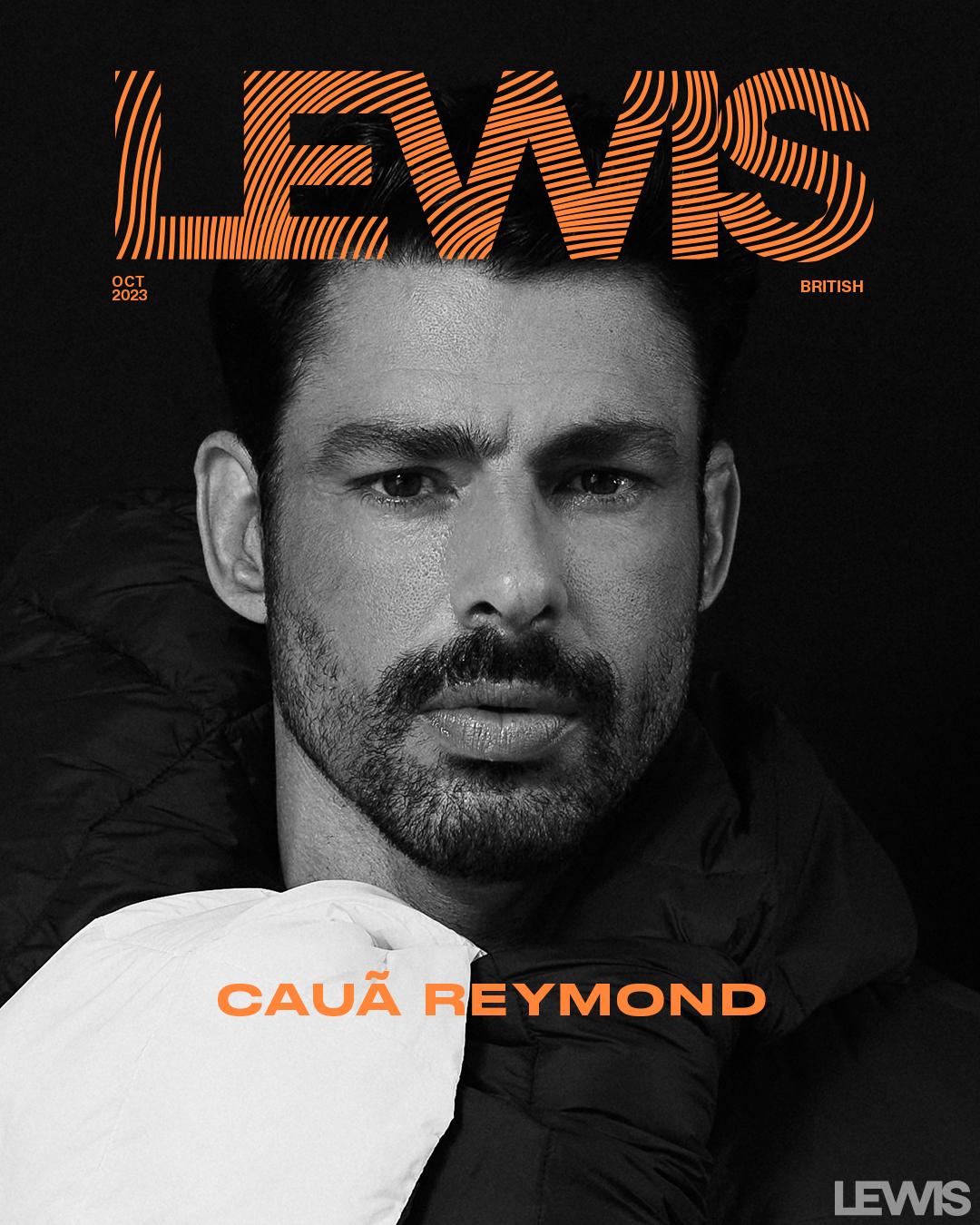
Our editor Claudio Harris had the pleasure of chatting with Brazilian actor Cauã Reymond, where they delved into his career highlights, life and plans for the future. Cauã’s journey is a testament to artistic passion and unwavering dedication, spanning a diverse array of roles in the world of entertainment.
From the outset of his professional journey, he displayed a determination to seek out opportunities beyond the roles handed to him. Cauã Reymond’s passion for cinema led him to approach Carlão Reichenbach, a luminary of the Boca do Lixo movement, a cornerstone of Brazilian independent cinema.
His request to audition for “Falsa Loura” (2007) marked a turning point, as he was ultimately selected for the role, setting the stage for further accomplishments. As Cauã Reymond ventured into projects like “Se nada mais der certo” (2008) and iconic soap operas like “A Favorita” and “Avenida Brasil”, his dedication to diversification and artistic growth became evident.
It’s clear that the pursuit of challenges has been a driving force in his career, eventually leading to explore the world behind the camera as a co producer. The teams he works with also hold a special place in his decision-making process, emphasizing the importance of a shared creative vision. Cauã Reymond’s career, marked by these pivotal choices, exemplifies his unwavering commitment to personal and artistic growth.
1 – You have an incredibly diverse career in the audiovisual industry, with roles in soap operas, series, and films. How do you choose your projects, and what motivates you to take on different types of roles?
From the beginning of my professional journey, I understood that I would have to create opportunities because I didn’t want to be limited to the roles offered to me. I have a passion for cinema, and I reached out to Carlão Reichenbach, one of the leading filmmakers of the “Boca do Lixo”, a Brazilian cinema movement which served as the cradle for much of today’s independent Brazilian cinema. He was about to film the feature film “Falsa Loura” (2007) and I asked to audition. He already had another actor in mind, tested me several times, and chose me. It was a great achievement! From that film, I did “Se nada mais der certo” (2008), directed by José Eduardo Belmonte, a film that had a successful run and received numerous awards. This role was the first turning point in my career and, from there, other doors began to open. My journey had other turning points in television and cinema, such as the soap operas “A Favorita” and “Avenida Brasil”. Diversifying and seeking out projects that would make me grow as an artist has always been a very clear goal. I think that’s why I gradually started getting involved behind the scenes as a co-producer. The team I’m going to work with is also an important decision- making factor for me. To this day, the challenge is what motivates me the most.
2 – In “A Viagem de Pedro” (2022) you portrayed Dom Pedro I, a historical and challenging role. How was the preparation for this work, and what was the most gratifying part of bringing this iconic figure to the screen?
“A Viagem de Pedro” takes on the challenge of portraying the historical figure Dom Pedro I, the former emperor of Brazil, who has been extensively explored in audiovisual works, from a different perspective, deconstructing the traditional hero narrative. Pedro is often described like that, as a hero, but in our film, he is depicted as a sexist, egocentric man whose health deteriorates gradually. These aspects of the character particularly interested me in our project, as well as the opportunity to explore a more nuanced and unexplored facet of this historical figure. This narrative shift challenges the traditional historical view and presents a different perspective on someone who had significant negative contributions to my country’s history but was never approached this way for pragmatic reasons. Inviting Laís Bodanzky to be part of this project was driven by the recognition that she is a director with a brilliant body of work and a feminist perspective, both of which would contribute significantly to examining this period of history. The fragility of Pedro in “A Viagem de Pedro” was the starting point for my character construction. The path I chose allowed me to uncover many layers in this character.
3 – In addition to acting, you are also involved in the production and co-production of film projects. How do you approach this aspect of your career, and what is the impact of being behind the scenes?
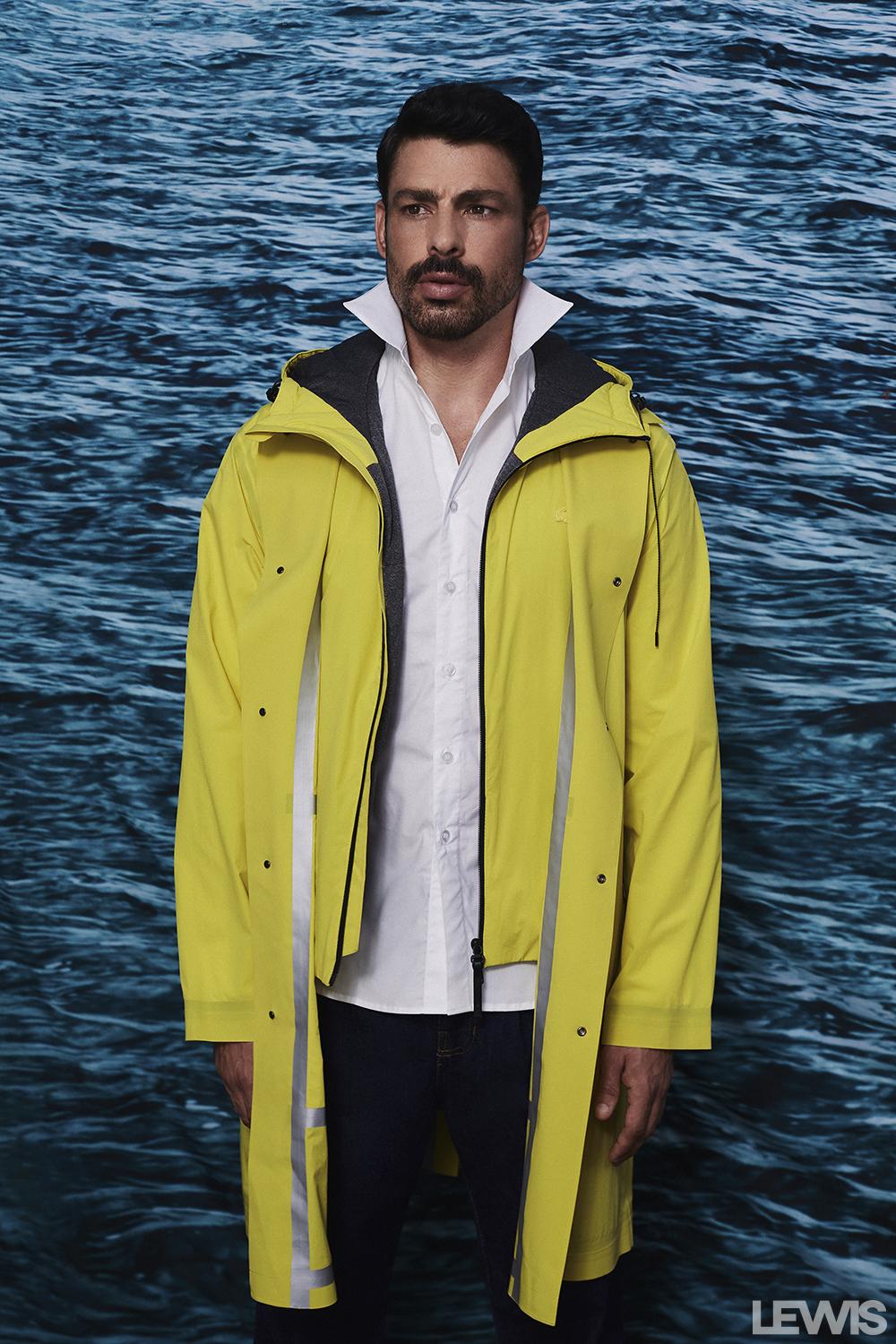
It took me several years to gain the experience and knowledge required to be in this position as a producer and showrunner. I still consider myself a novice in this role, but today I know exactly what I want and that clarity enables me to guide the project effectively. Being behind the scenes allows me to lead the project and give it my perspective as an artist. I have been developing this perspective since the beginning of my career and now I feel that it is time to put this artistic signature on from the position of showrunner.
Of course, always open to the opinions of the people I work with, through very active listening. I’m passionate about what I do, whether it’s acting or producing, and I believe that passion reflects in the projects I’m involved in.
4 – We know that you are working on the development of a fictional series about the world of football off the field. Can you share more about this project and what inspired you to explore this theme?
I’ve always been someone who enjoys reading about the football player transfer market, about the entire business that surrounds this world. A little before the pandemic, I had an idea: “What if we create a series about the backstage of football, everything that happens behind the scenes, the transactions, conspiracies, power plays?”. It’s essential to me to have women involved in this project as well, so that a feminine perspective is present. Football needs that counterbalance.
5 – Currently, you are part of the cast of the soap opera “Terra e Paixão”, on TV Globo. What has the experience of playing Caio and working alongside renowned actors like Tony Ramos and Gloria Pires been like?
For me, being in good company at work is crucial for achieving a good result. Tony and Gloria are immense artists and there isn’t a day when I don’t learn something from them.
Their experience, coupled with their generosity, is a gift for any actor who is on the scene together. Being with them is, today and always, something truly special.
6 – The soap opera “Terra e Paixão” has achieved high viewership ratings. What do you believe is the secret to the success of this storyline, and how does your character contribute to its popularity?
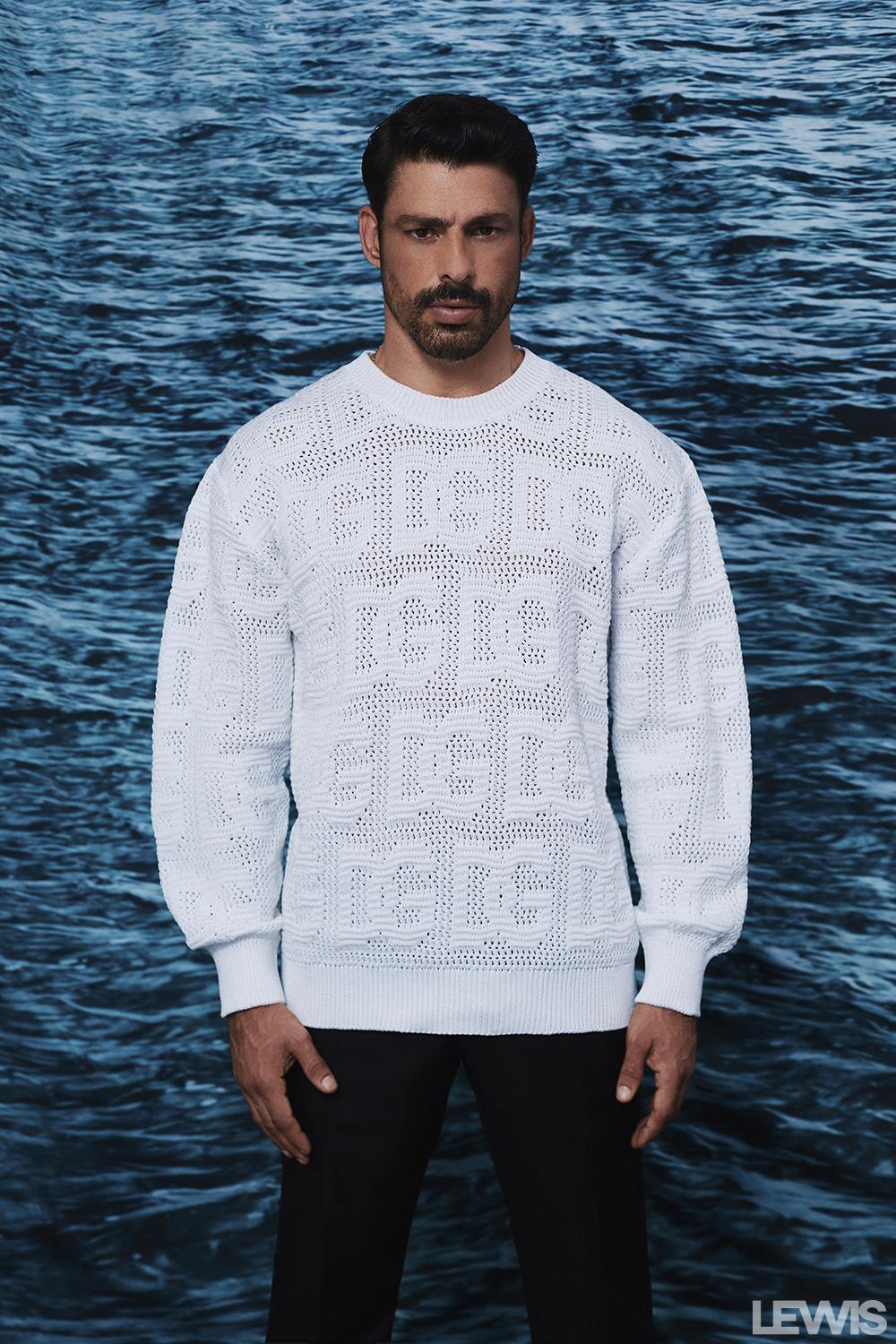
Caio was a very naive character who had difficulty expressing his feelings, but over the course of the story, he matured and that transformed him. He is a good guy, a contrast in a story that also features cunning characters. Caio is a romantic and the audience thirsts for love stories. Moreover, his reconciliation with his father (Tony Ramos) was a moment of great emotion that resonated deeply with viewers. It signifies to me how powerful relationships can be and it’s truly beautiful to witness a father reconciling with his son. Walcyr Carrasco’s story is built on classical storytelling, which has been capturing the audience’s attention.
7 – You mentioned that your acting career began in New York with training from Susan Batson. How have these experiences abroad influenced your approach to acting and entertainment?
My experience with Susan was the starting point of my career. When she awarded me the scholarship, it was a tremendous stimulus that made me believe in my ability to pursue my craft. I dedicated myself intensely to attending her classes and was challenging to sustain myself in New York. It was a pivotal experience on my journey and I have nothing but gratitude for it.
8 – In addition to your acting career, you also made a name for yourself in the fashion industry, working with renowned photographers and walking the runways in major cities. How have these experiences contributed to your artistic career?
It was a brief but very enriching period. I followed the traditional route of Milan-Paris-New York. In Paris, I had the opportunity to work with photographer Jean-Baptiste Mondino, with Karl Lagerfeld and to walk for Jean Paul Gaultier. However, it wasn’t enough to build the impactful career I aspired to. Fortunately, I love the path I followed. Everything I experienced as a model still guides me today. These are professional experiences that connect with each other and, in the world of fashion, I learned a lot about being a professional. The demands were numerous and it taught me to be an extremely responsible and focused individual in my commitments.
9 – You’ve had the opportunity to work with many talented directors throughout your career. Is there a particular project or collaboration that has been especially meaningful to you?
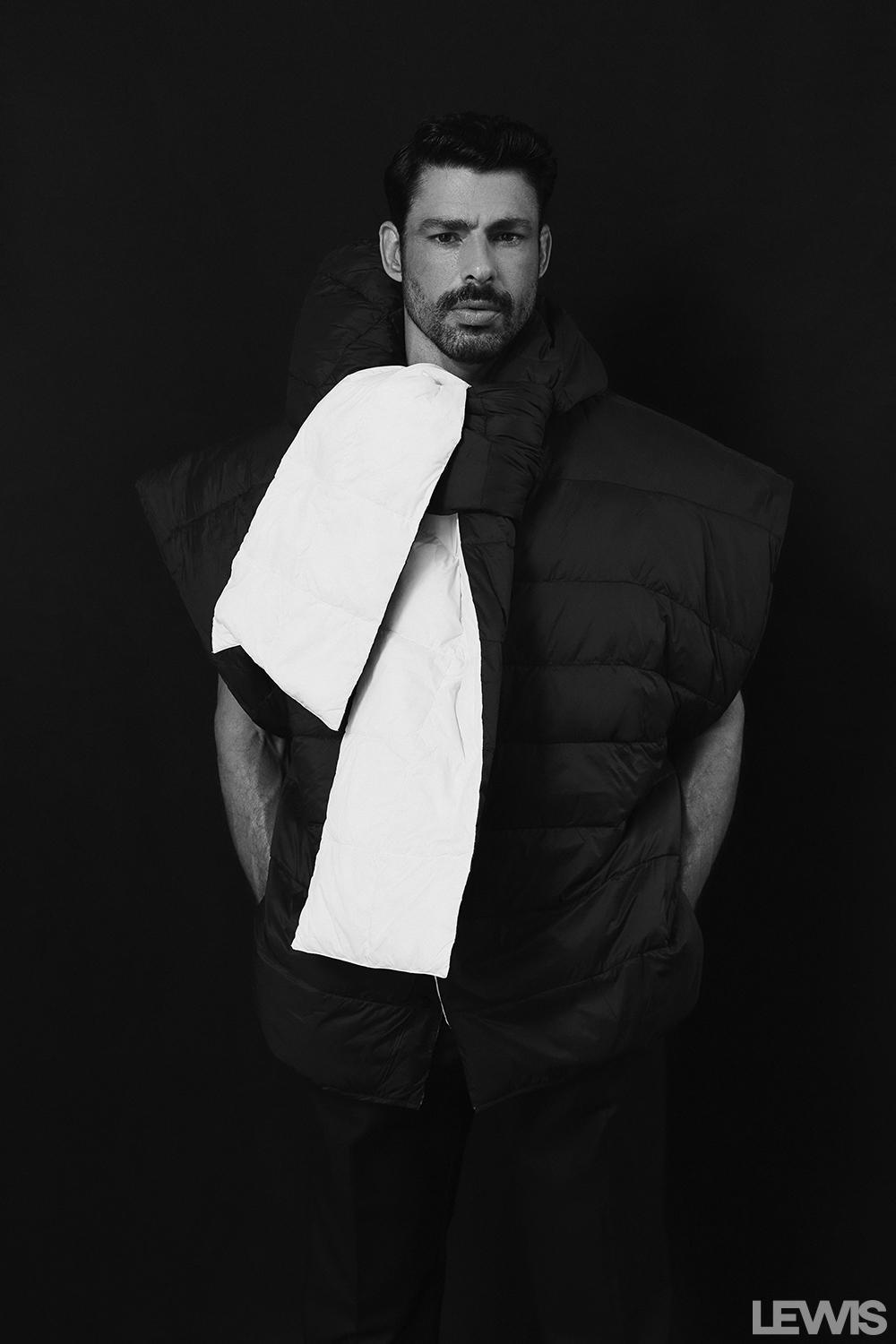
Many! I couldn’t single out just one. The audiovisual industry is comprised of a rich creative chain. One of the greatest rewards for an actor is the encounters they have with directors, writers, castmates and the entire technical team, including camera operators, art directors and makeup artists. I had wonderful meetings with professionals from all these areas.
10 – With over 20 years of experience in the audiovisual industry, what do you still hope to achieve in your career? Is there a role or genre that you haven’t explored yet but would like to in the future?
An actor’s work has this aspect of following the stages of life; we grow older and the characters follow us. It’s very stimulating as it keeps us alive with new challenges in each phase. Right now, I’m also thoroughly enjoying creating the project about the world of football from a different perspective, participating in a different stage of the audiovisual process. Bringing this project to life will undoubtedly be a significant achievement in my career.