
The Sunday Piece · Boys’ Stories, No. 01
The boys we were
David was bullied for being lanky in Lewisham. Neeraj writes poetry in the language he failed at school. Aaron was told, at six, that boys don’t wear dresses. Three young men on hardship, heritage and the cost of being seen, in their own words.
As told to LEWIS · Concept Claudio Harris
Sunday is the one day of the week that still feels like ours. It is for long reads and late breakfasts, for calling home, for the thoughts that never get airtime on a Tuesday. From this week, LEWIS gives it over to something a magazine rarely makes room for: a personal piece, told in the subject’s own voice, with nothing to sell and no premiere to promote.
We begin with three young men from three very different places: South East London, India, and an Asian boyhood lived in the West. We put the same questions to each of them. What hardship shaped you, and how much of it had to do with where you come from? What did it build in you? And what does it take to say any of this out loud?
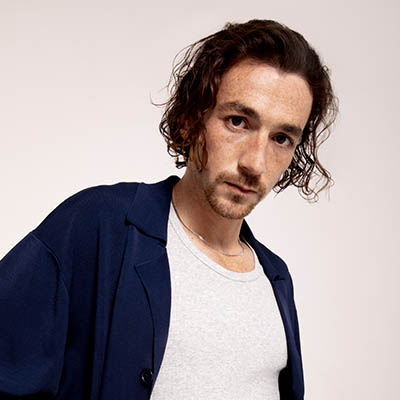
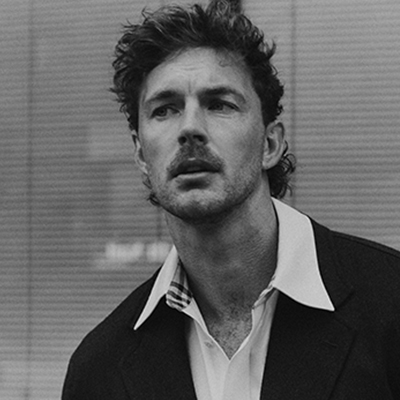
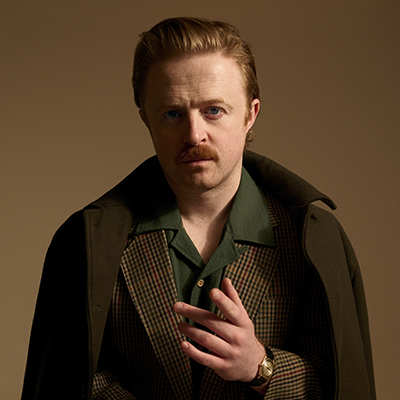
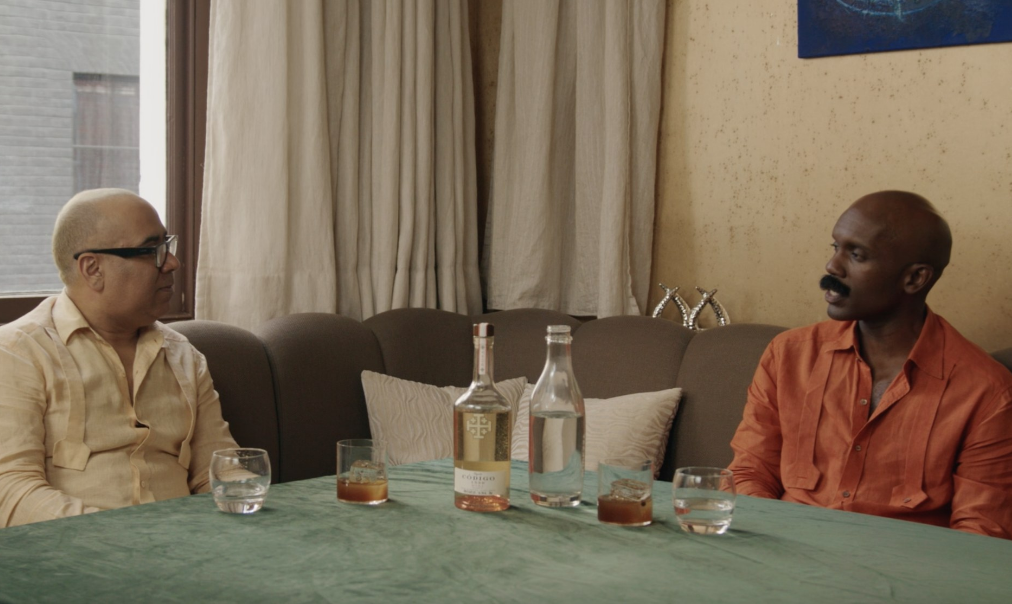
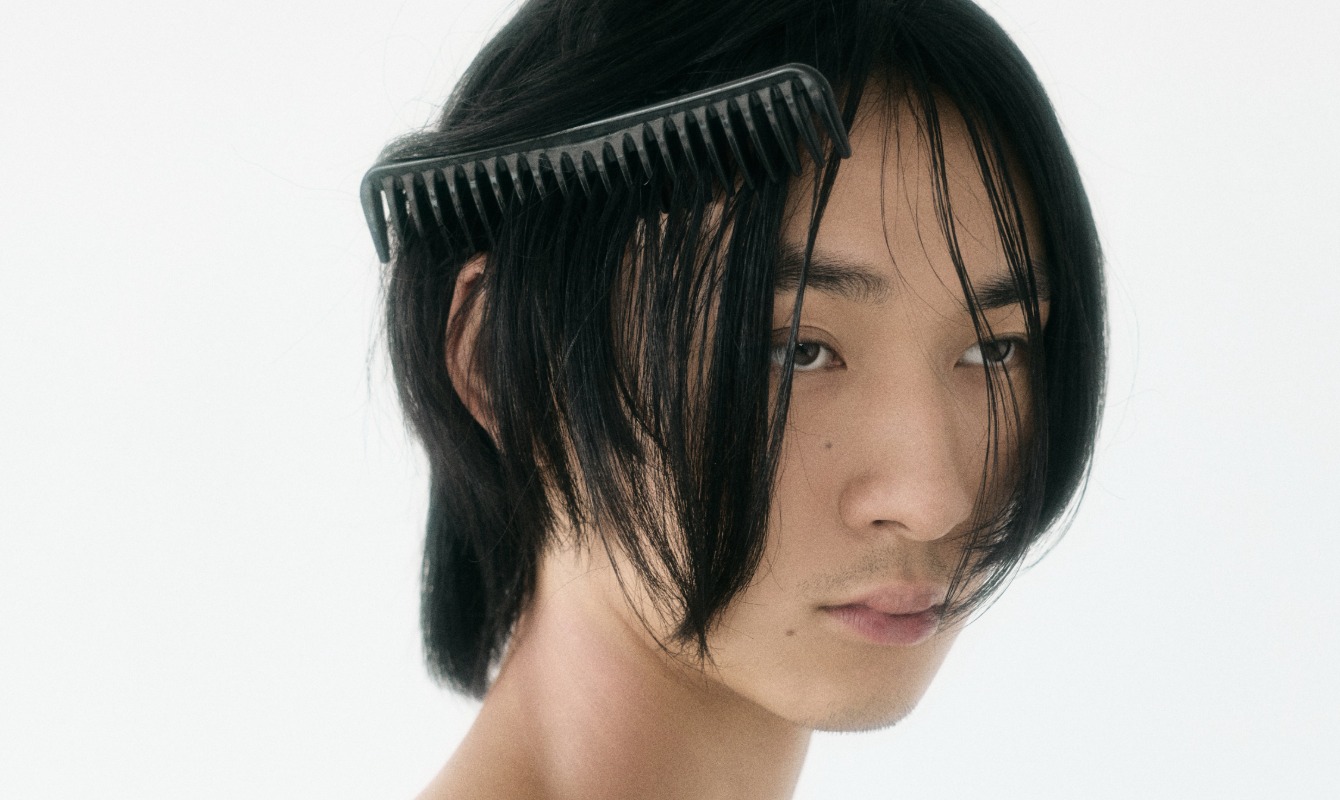
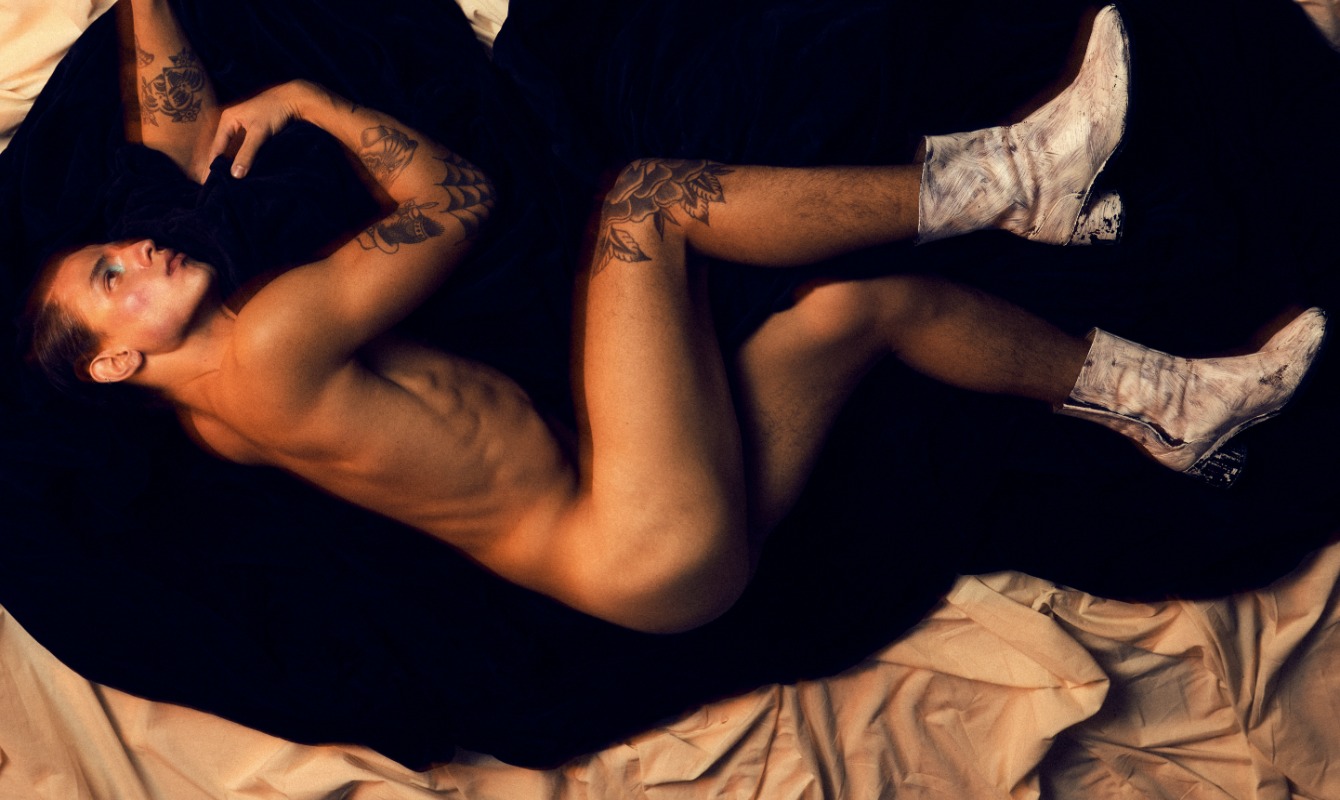
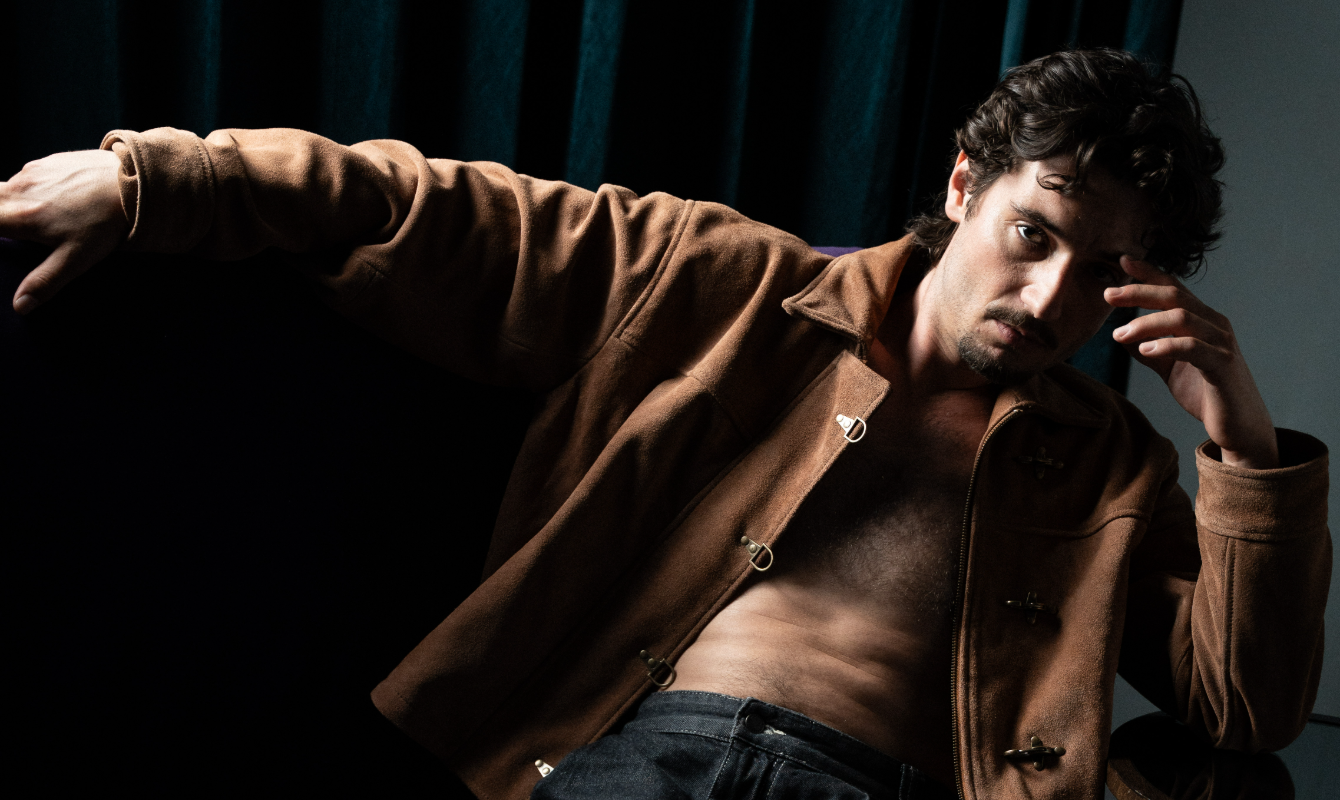
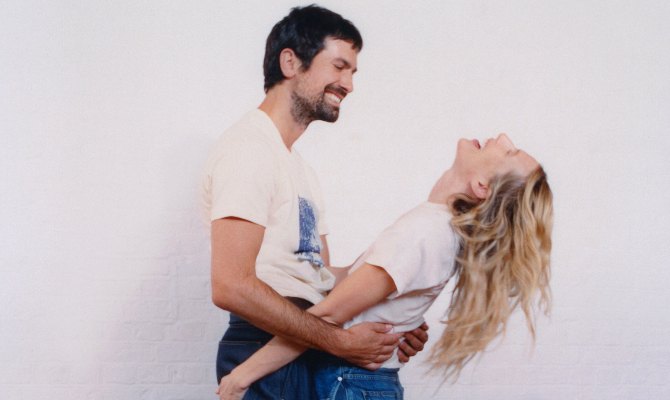
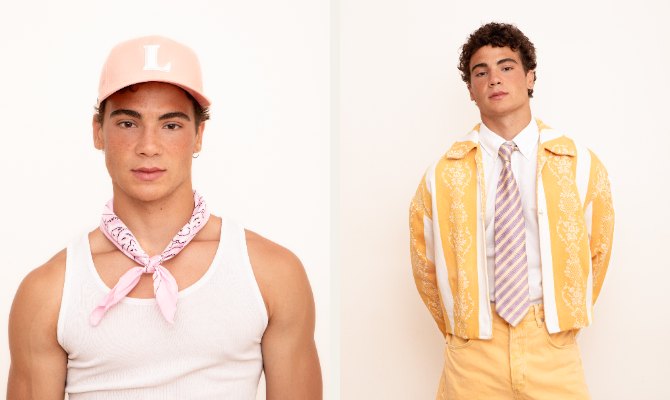
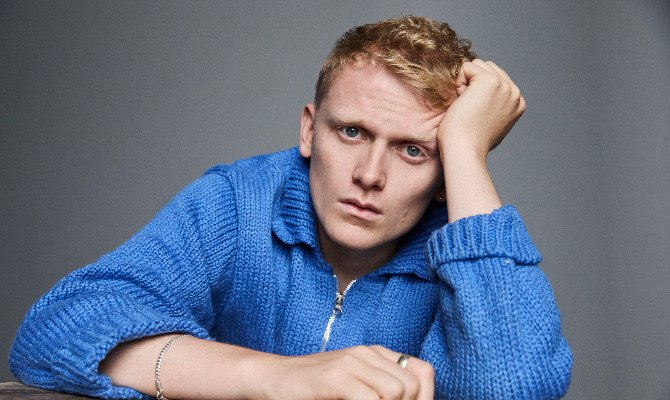
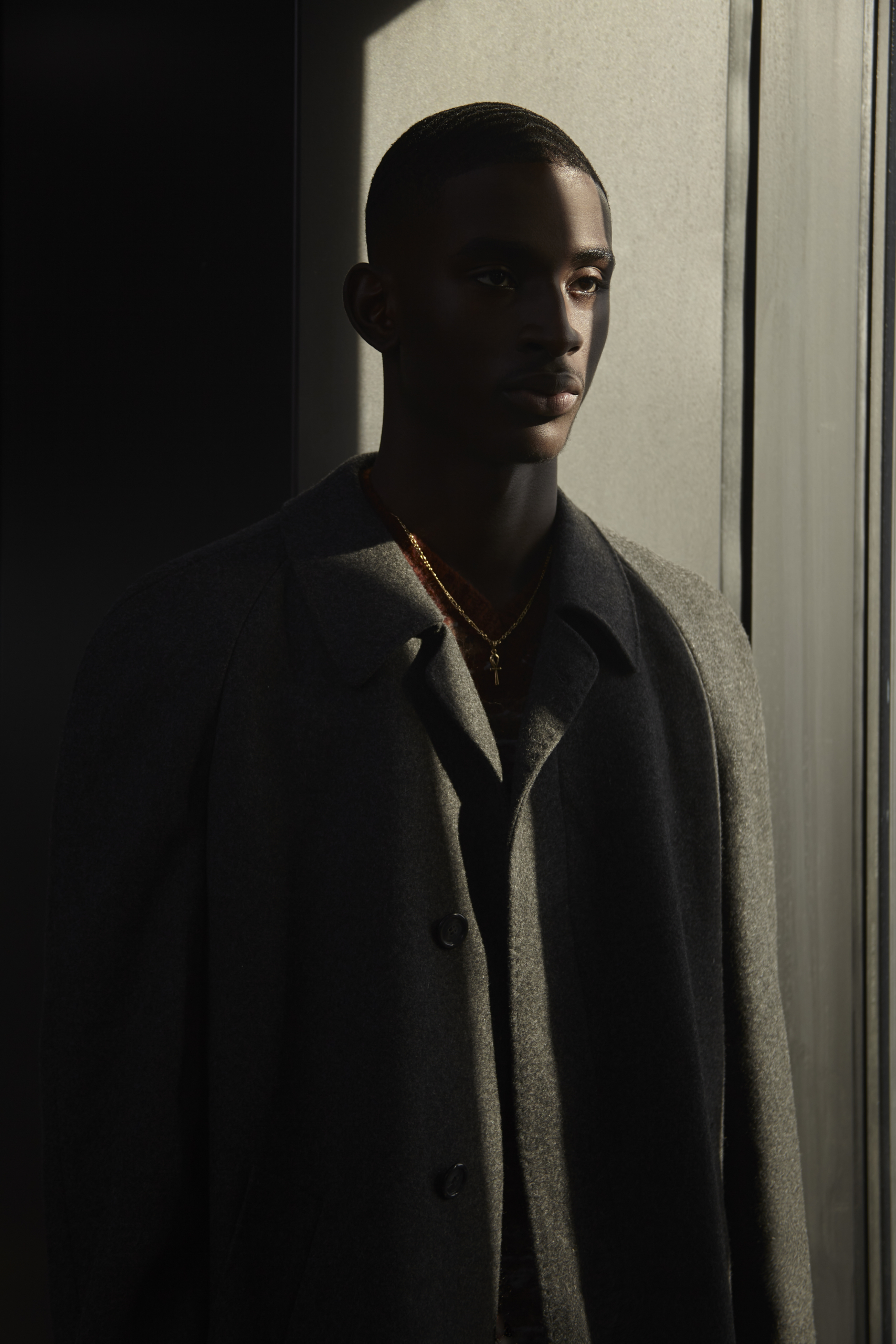
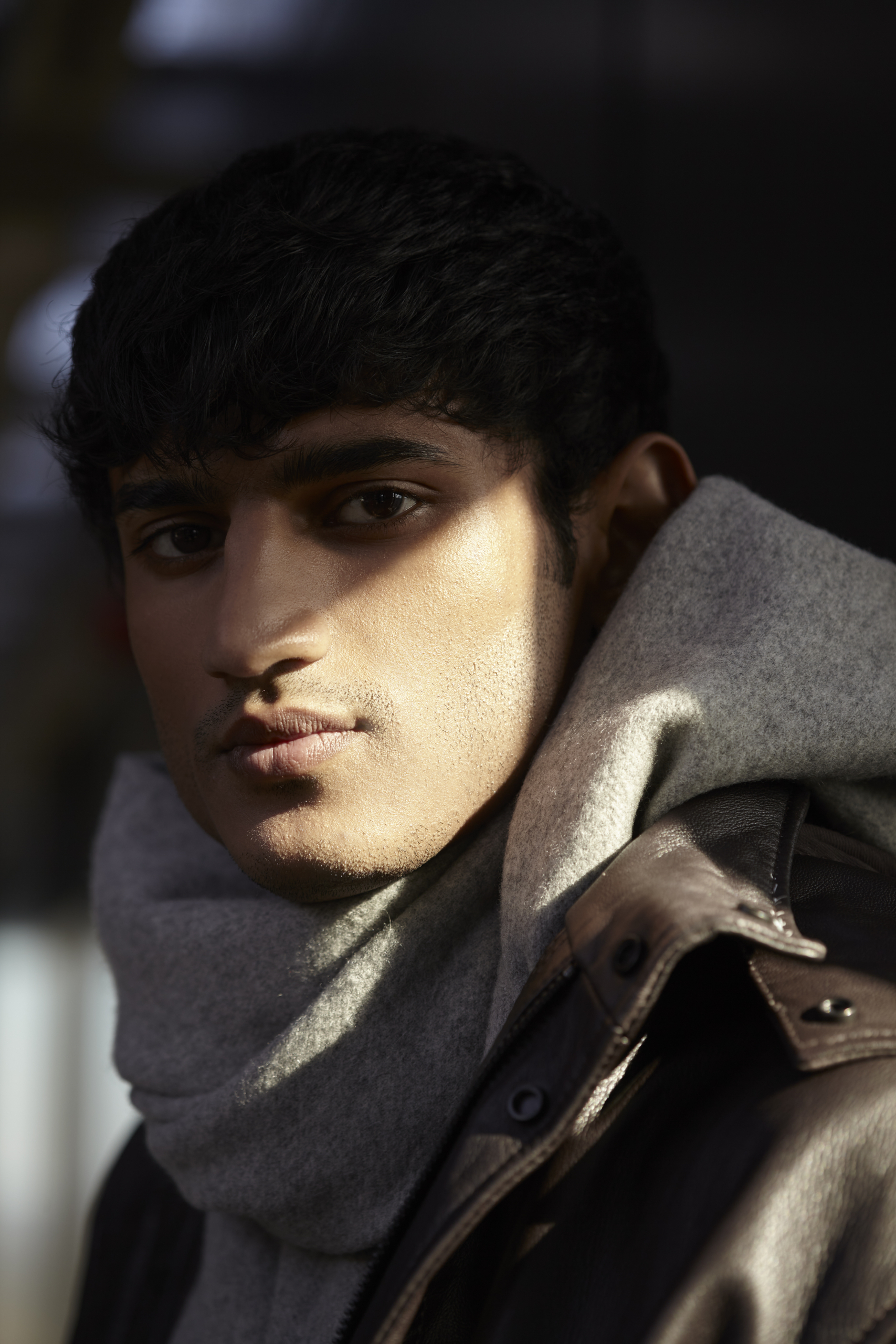
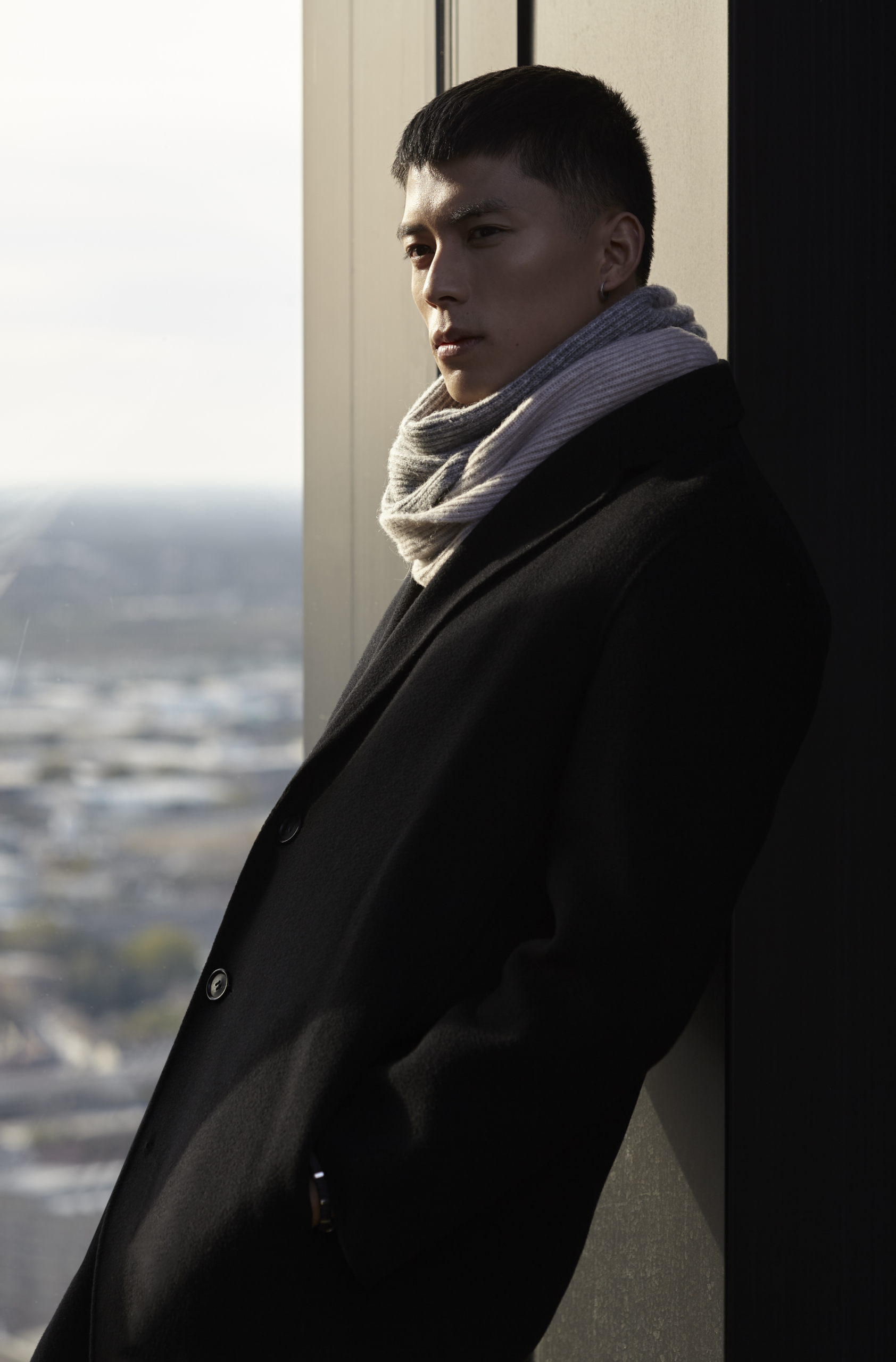
Their answers follow, lightly edited, and in their own words. The photographs follow the same arc as the stories: vulnerable first, then powerful.
I
Lewisham, and the lyrics
David Van-Ess, South East London
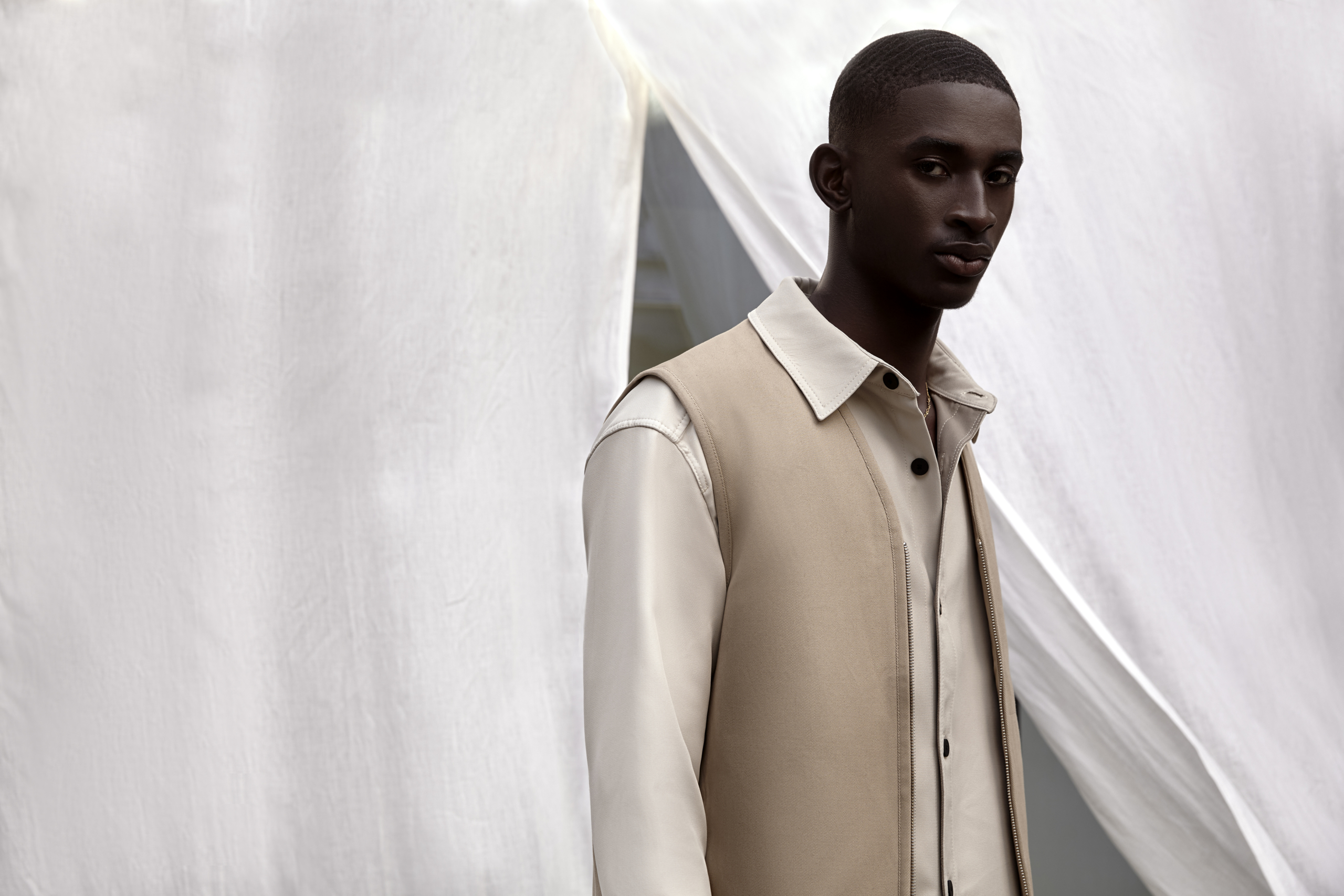
My name is David Van-Ess. I’m a Black man in London, of Ghanaian heritage. I was born in South East London and grew up in Lewisham, and I went to primary and secondary school there.
I struggled with my image, and with how I saw myself. I was a shy, awkward and very lanky kid. I had my fair share of bullies over the years, and I found it very hard to stand up for myself.
In my early teens, hip hop and grime were everywhere in my community, and I was drawn to the music from the second I heard it. Wu-Tang Clan, Tupac, DMX, Kendrick Lamar; then Skepta, Dave, Chip and Stormzy. They are all great creators, and not only in music but in film, television and fashion. It was their lyrics, though, that got me through some pretty tough times. They gave me the confidence to be myself, and to take pride in my identity as a young Black boy in South East London.
That pushed me to start taking responsibility for myself: my looks, my mind, my own passions, getting better as I go.
I hope to encourage more Black people, especially those around my age, to be comfortable in their own skin, whether they fit in or not. And to use whatever skill, whatever gift they have, to its highest capacity, because it pays off in the long run.
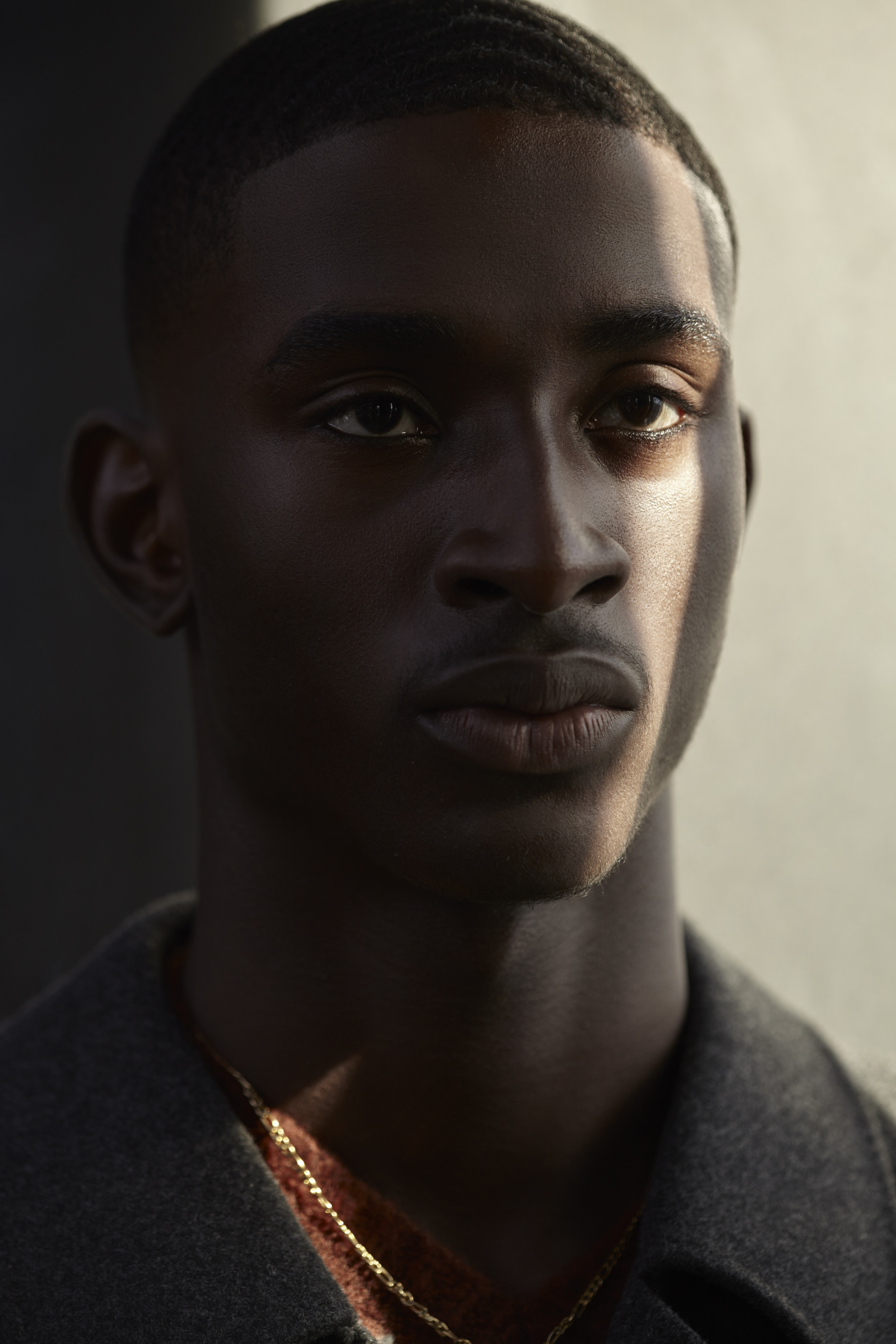
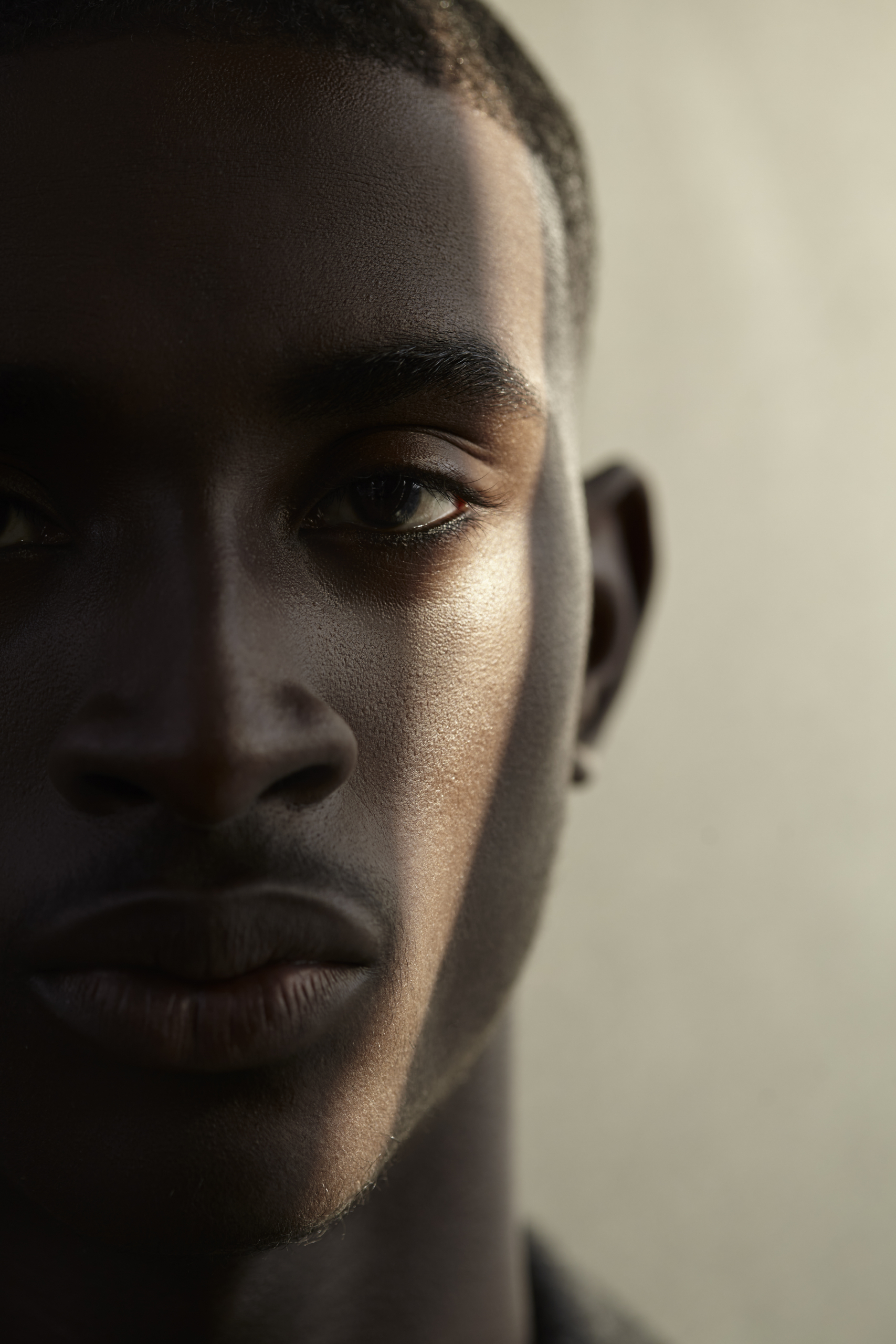
“However bad things seem right now, things always change. Life can easily take a turn for the better if you push for it to.”
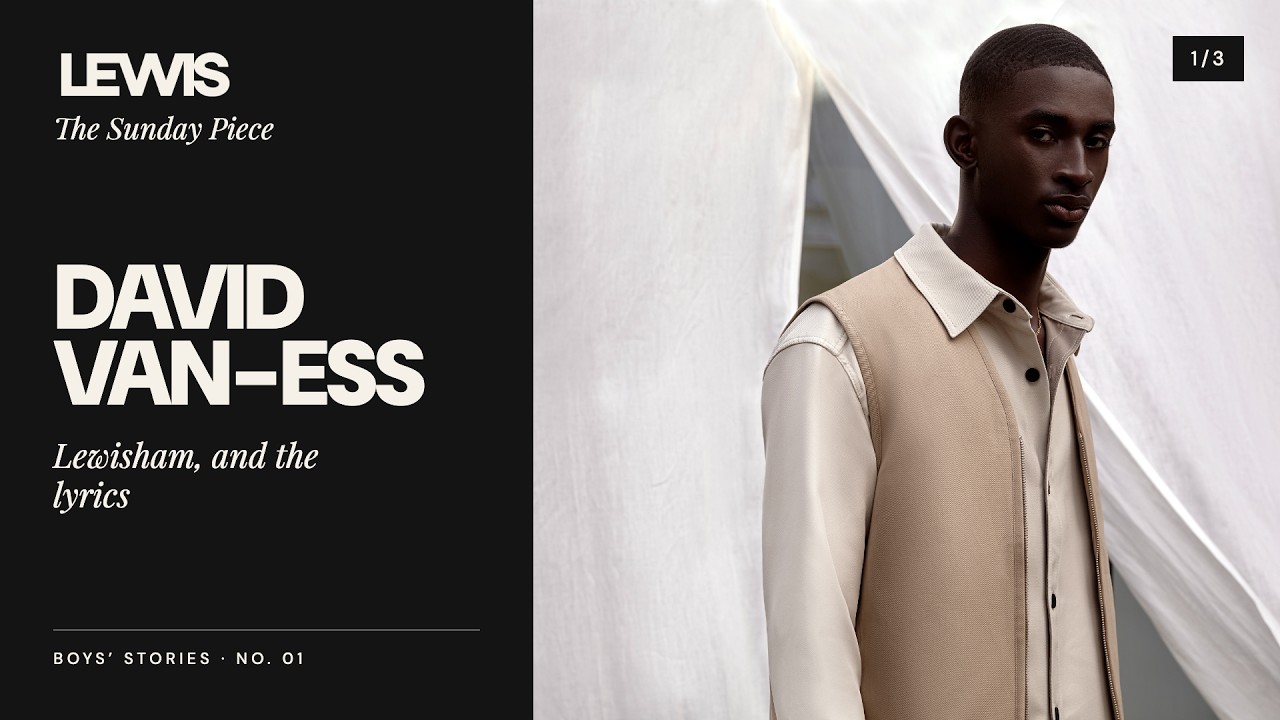 Watch · David Van-Ess, in his own words · YouTube
II
Poems in a language I failed
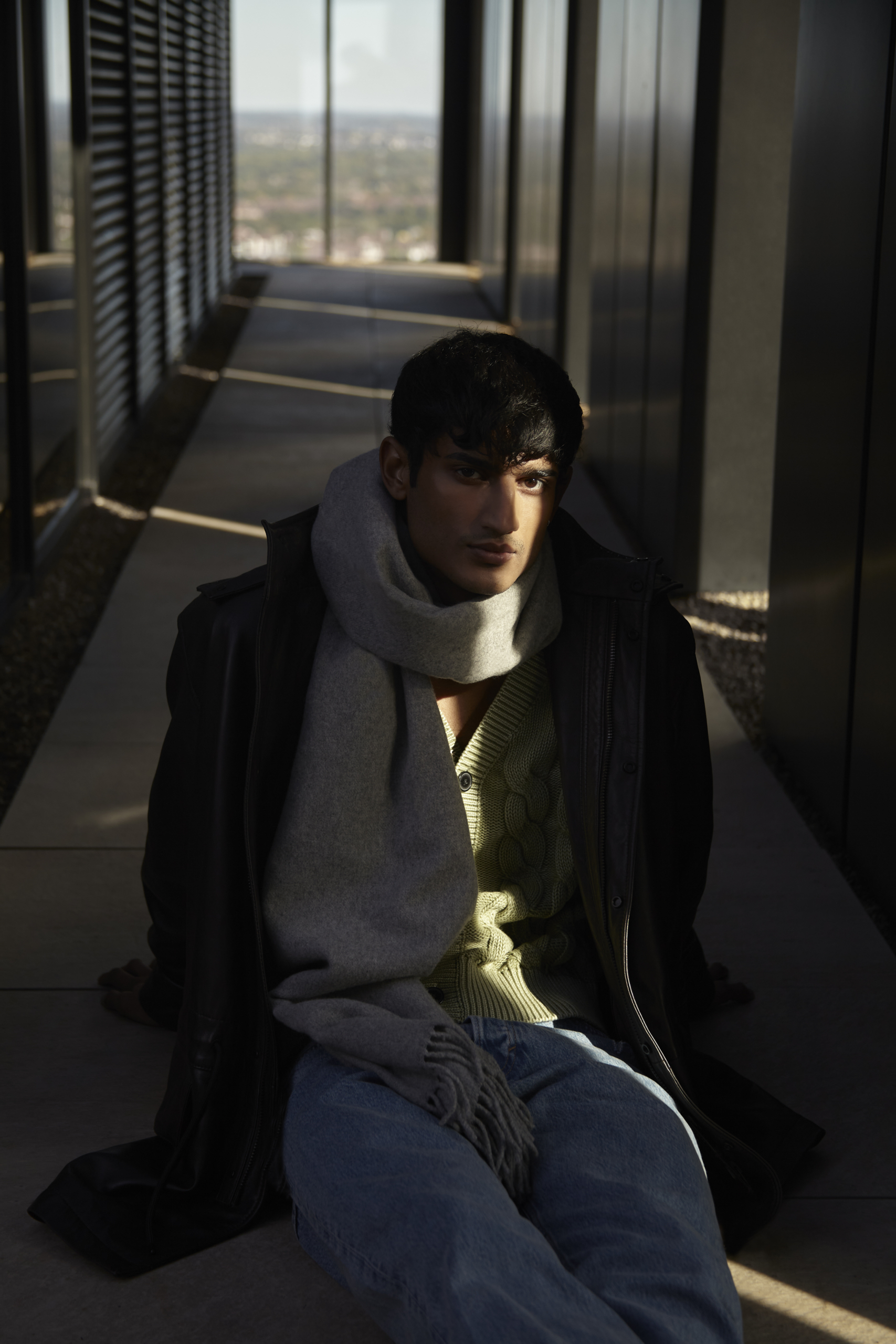
Neeraj Saini, India
I’m Neeraj Saini. I’m twenty, and I’m from India. I started modelling when I was seventeen. Growing up, I didn’t know what I wanted to do with my life. As a child I never imagined I would get to this point, or have the strength to become who I am today.
I write poetry, but I have no idea how literature or grammar works. I write in Hindi, and at school I used to fail Hindi.
I’ve come to realise that money isn’t the reason we wake up and work every day. We do it for what we love, because that is what makes us feel alive. That is how I found my love for photography, which lets me see the world differently. I’ve shot for boutique brands in India, and mostly I capture the world as I see it. Looking back now, I can see a huge difference in me: in the way I see the world, and in the way I see myself.
In life we do a lot of things just to survive, and in the end they drain us. When we do something we love, we feel alive, because real happiness is behind the scenes, making our dreams a reality.
He shares a few lines of his poetry.
Cigarette ke bache akhiri kash ki tarha,
Jisse log pairo ke neeche bhujate hai.
Roz milta hu aise logo se mai,
Jo mujhe uss kash ki yaad dilate hai
In his own translation:
You smoke a cigarette and there’s one last puff left. You throw it down and stamp on it. Think of me as that last puff: I meet people every day who make me feel like that.
Every day, people make you feel used and discarded. They are good to you while they are in your life. People don’t just leave; they discard you, like a cigarette end.
 Watch · Neeraj Saini, in his own words · YouTube
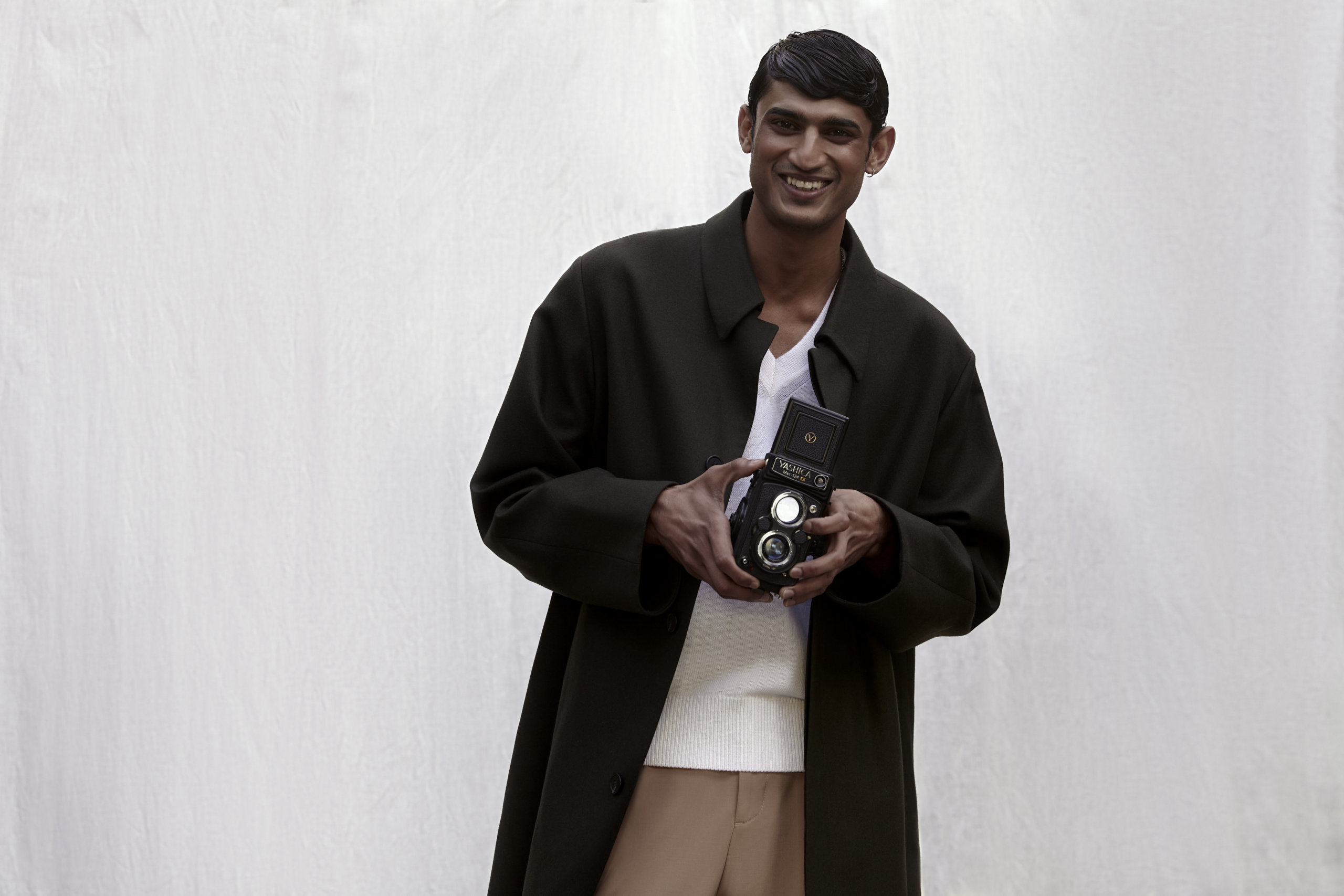
III
Gay, Asian, and proud
Aaron
I’ve known I was gay since I was a kid. There was a Batman toy I was always strangely attracted to. I always knew I was a little different from the other kids: at break time, instead of playing football, I wanted to play with dolls. My cousin had a Sailor Moon dress that I always wanted to put on.
I was told I wasn’t allowed to wear it, because boys don’t wear dresses, and the kids at school would make fun of me. So I did what any six-year-old would do.
“I listened to what I was told, and suppressed any future thought of wearing a dress.”
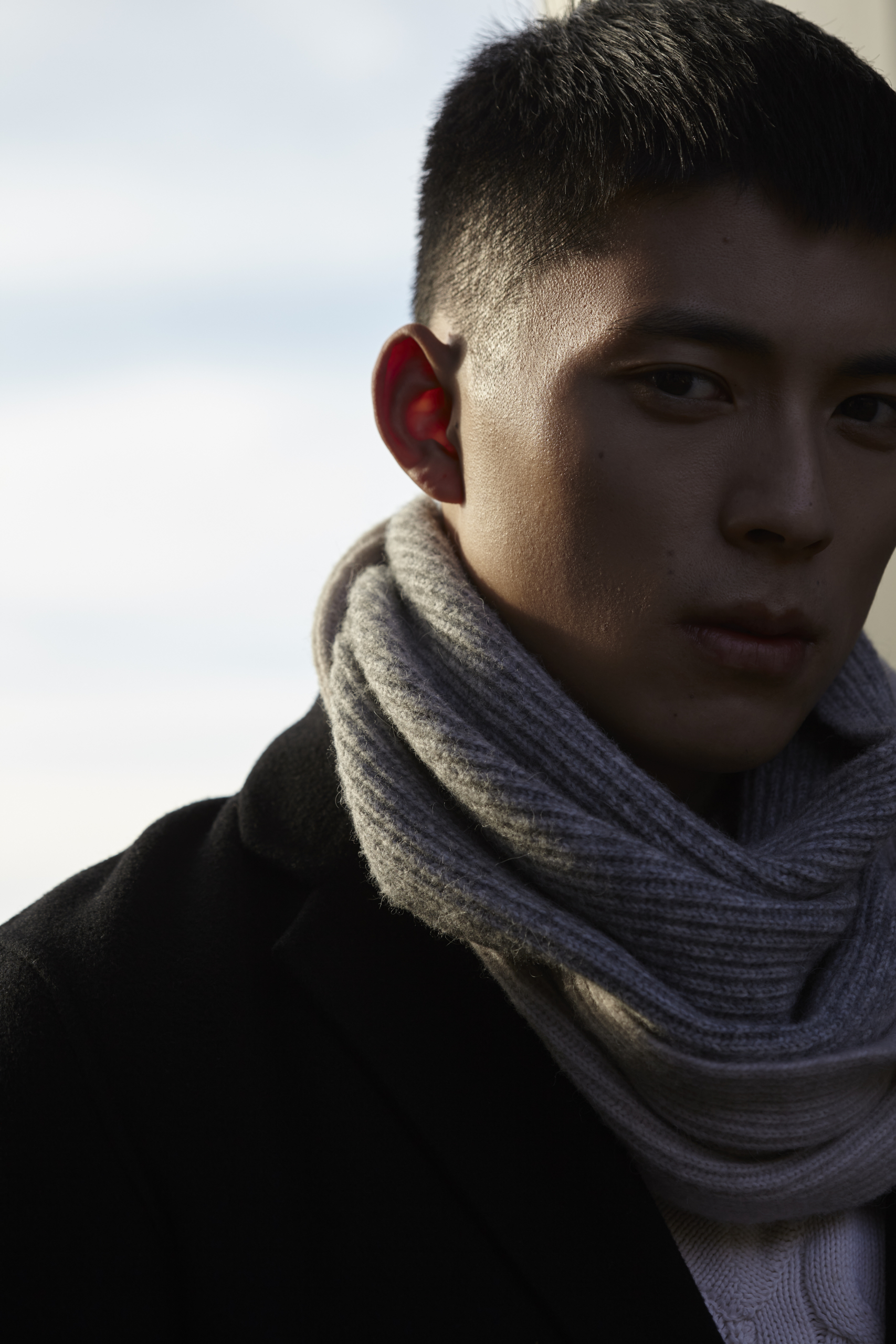
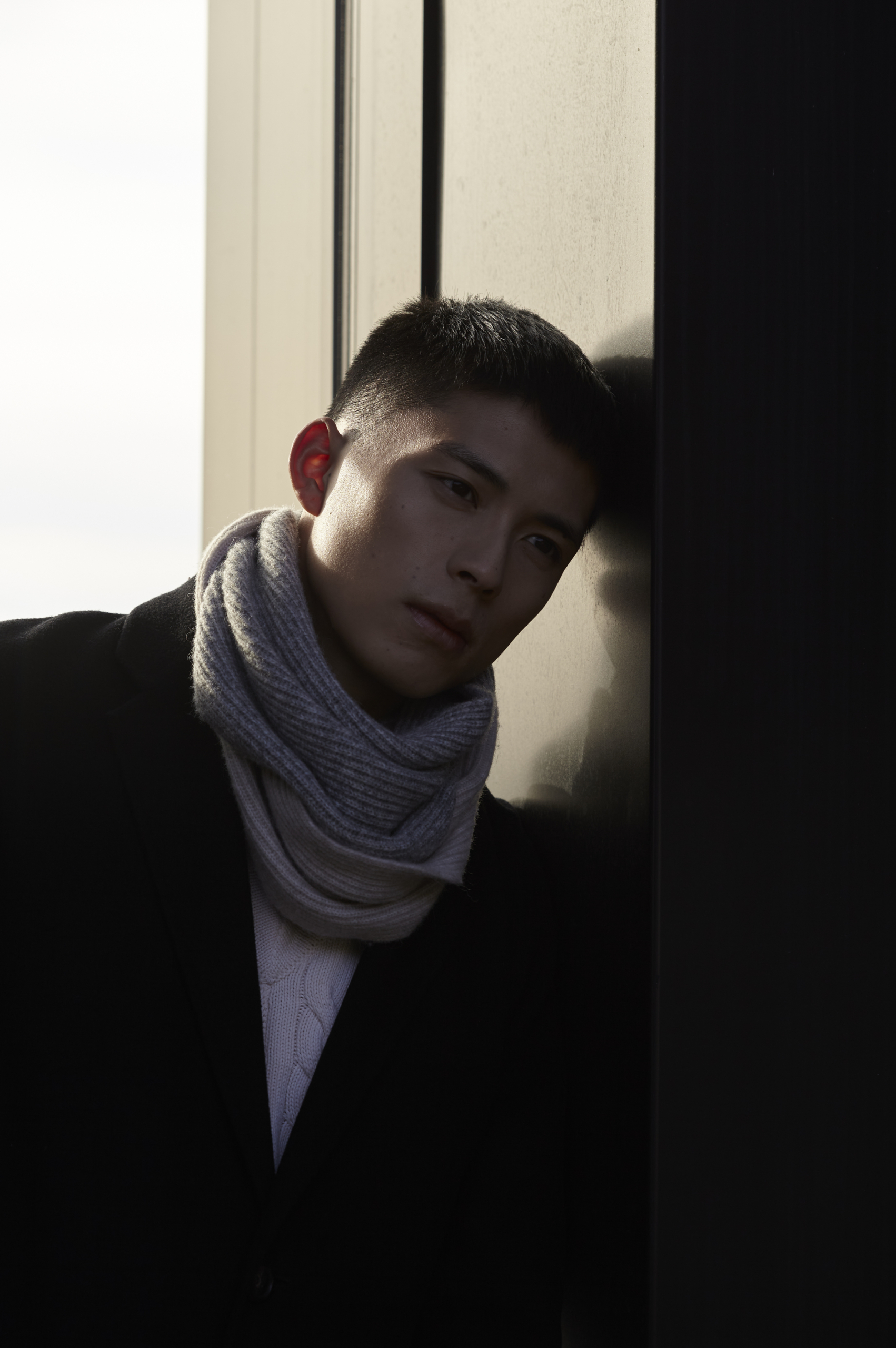
It wasn’t until I was fourteen or fifteen that I started to come to terms with my sexuality. I’m not going to lie: it was rough. I was on a constant emotional rollercoaster. At first I tried to convince myself that I wasn’t gay, and that my attraction to guys was something temporary.
After three hard years of internal turmoil, I finally came out to my friends and family. To my surprise, I was not only tolerated but embraced. I consider myself extremely lucky, because I know many of my queer friends didn’t receive the same support when they came out. Some of them had to move out, and some still don’t speak to their parents, even today.
Since coming out, another challenge I’ve had to face is the desexualisation of Asian men in the West.
I spent my entire childhood and youth feeling different from the other kids, never really fitting in. Because of that, I feel a responsibility to advocate for and support people from other marginalised communities. I’ve volunteered with, and advocated for, Indigenous communities in Canada. I’ve led LGBTQ+ organisations, including the EUROUT LGBTQ+ conference at London Business School, and I take an active part in the LGBTQ+ affinity groups at the companies I work for. More recently, I’ve been using my social media to advocate for gender inclusivity, and for the freedom to wear whatever clothes you choose.
“I have a very deeply rooted sense of empathy for the struggles of others.”
 Watch · Aaron Cho, in his own words · YouTube
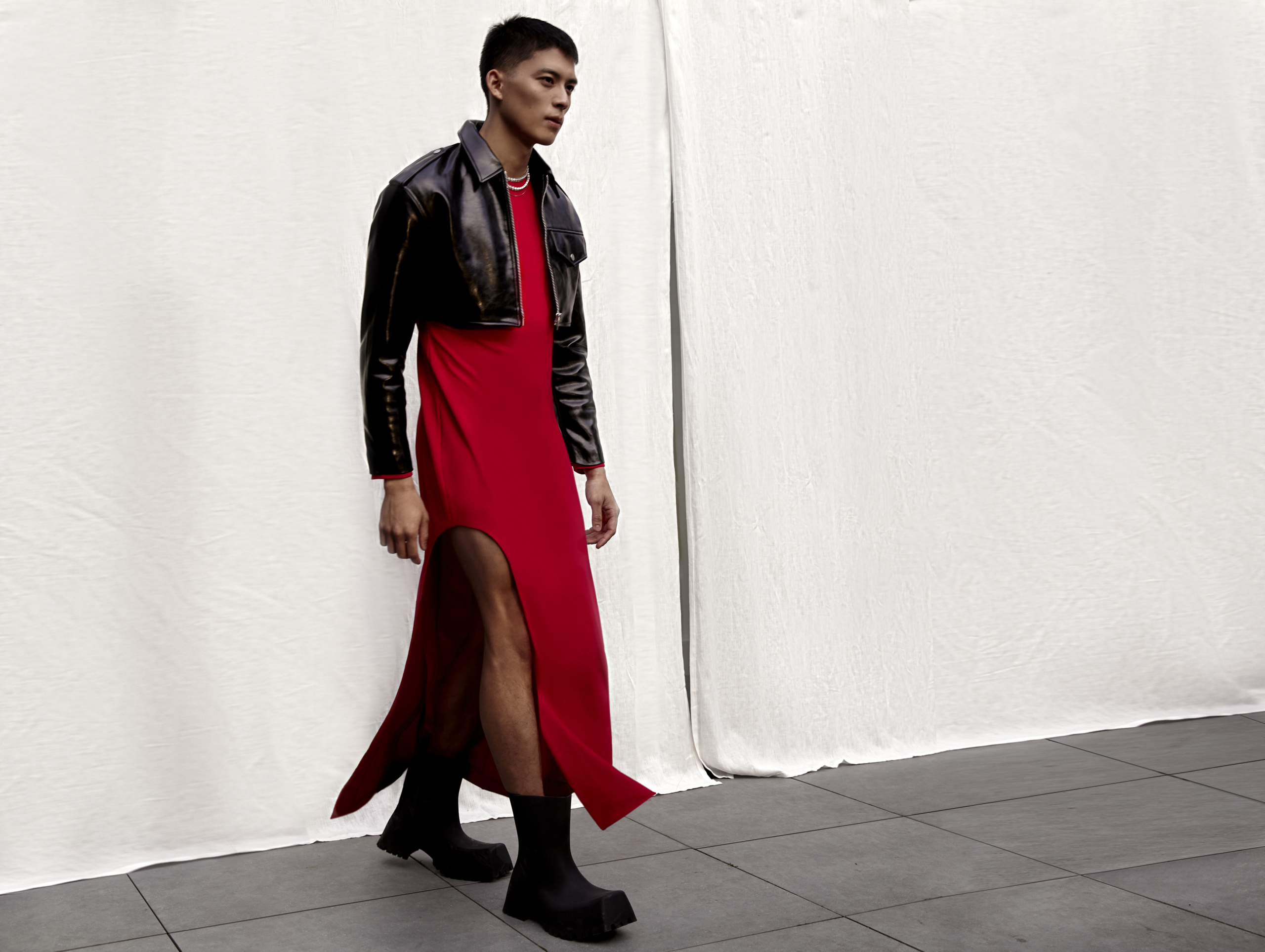
None of these men was asked to be brave for us. They were asked to be honest, which is harder, and rarer in a magazine than it ought to be.
A lanky boy in Lewisham who found his confidence in a grime lyric. A poet who failed the language he now writes in. A six-year-old who put the dress back, and grew up to defend every boy’s right to wear one.
Next Sunday, another story. If you have one, we would like to hear it: team@lewismagazine.com.
Credits
- Concept and editor
- Claudio Harris
- In their words
- David Van-Ess, Neeraj Saini, Aaron Cho
- Photography
- Rachel Marques
- Film
- Rodney Rico
- Styling
- Stephen Healy
- Grooming
- El