
London · MMXXVI · Magazine
Film · The Interview
George Jaques on Sunny Dancer, Bella Ramsey and refusing to chase bigger
The 26-year-old director returns with Sunny Dancer, a funny, unsentimental portrait of young cancer survivors, led by Bella Ramsey.
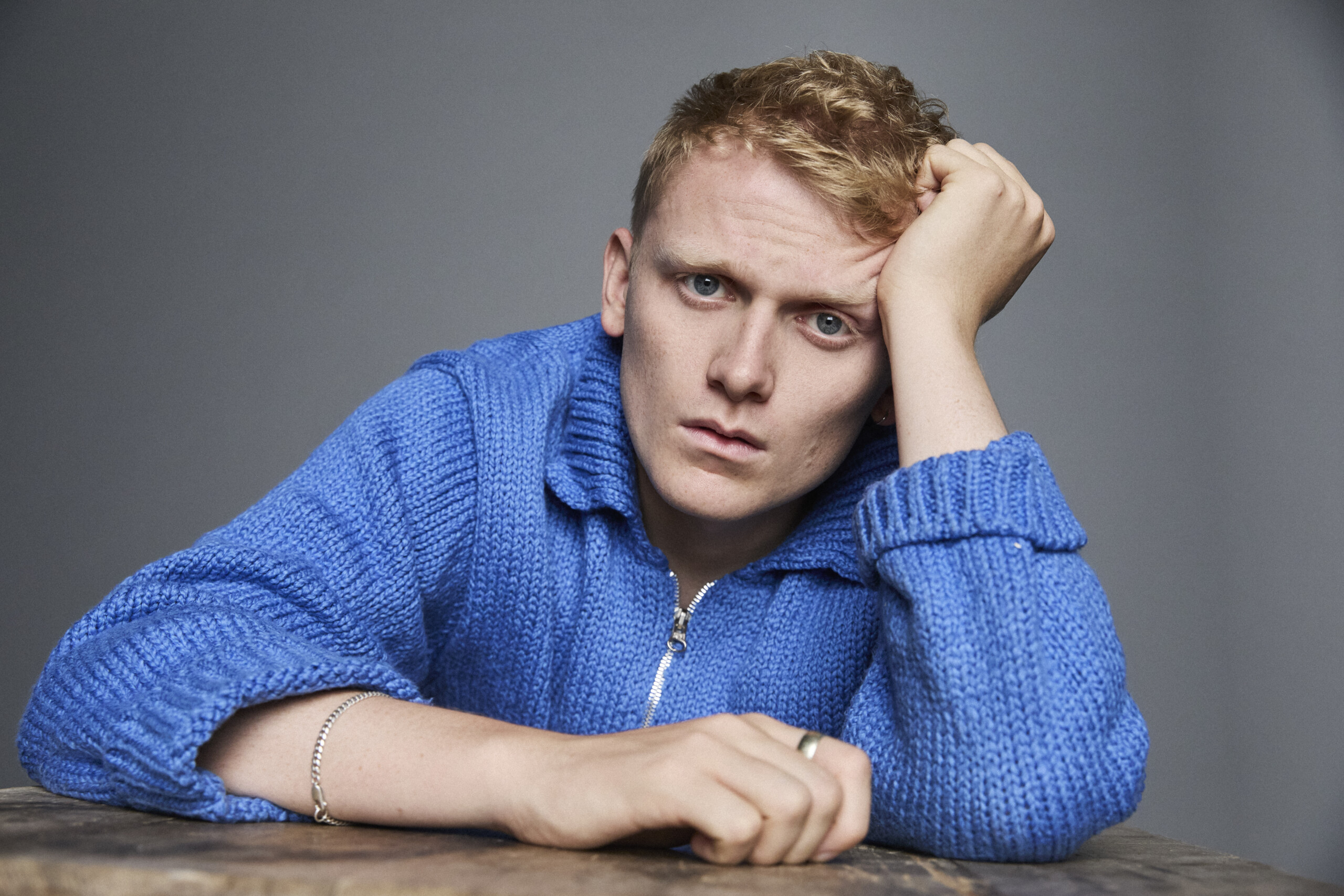
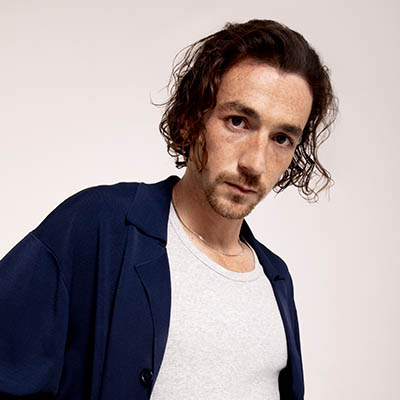
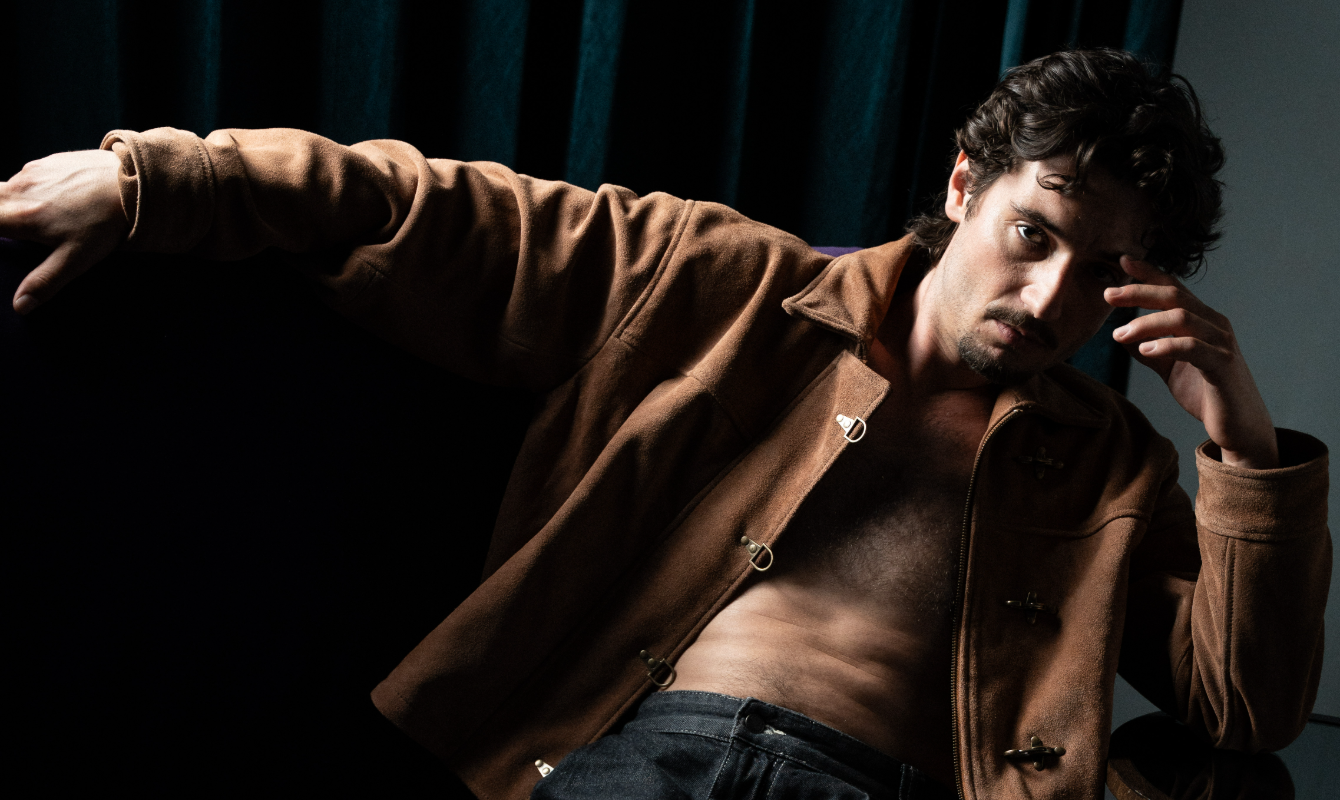
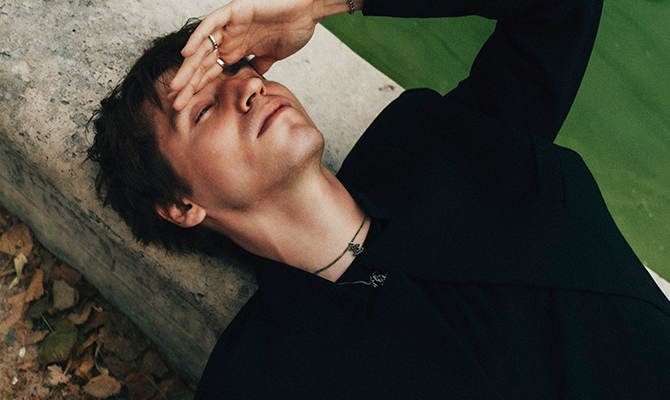
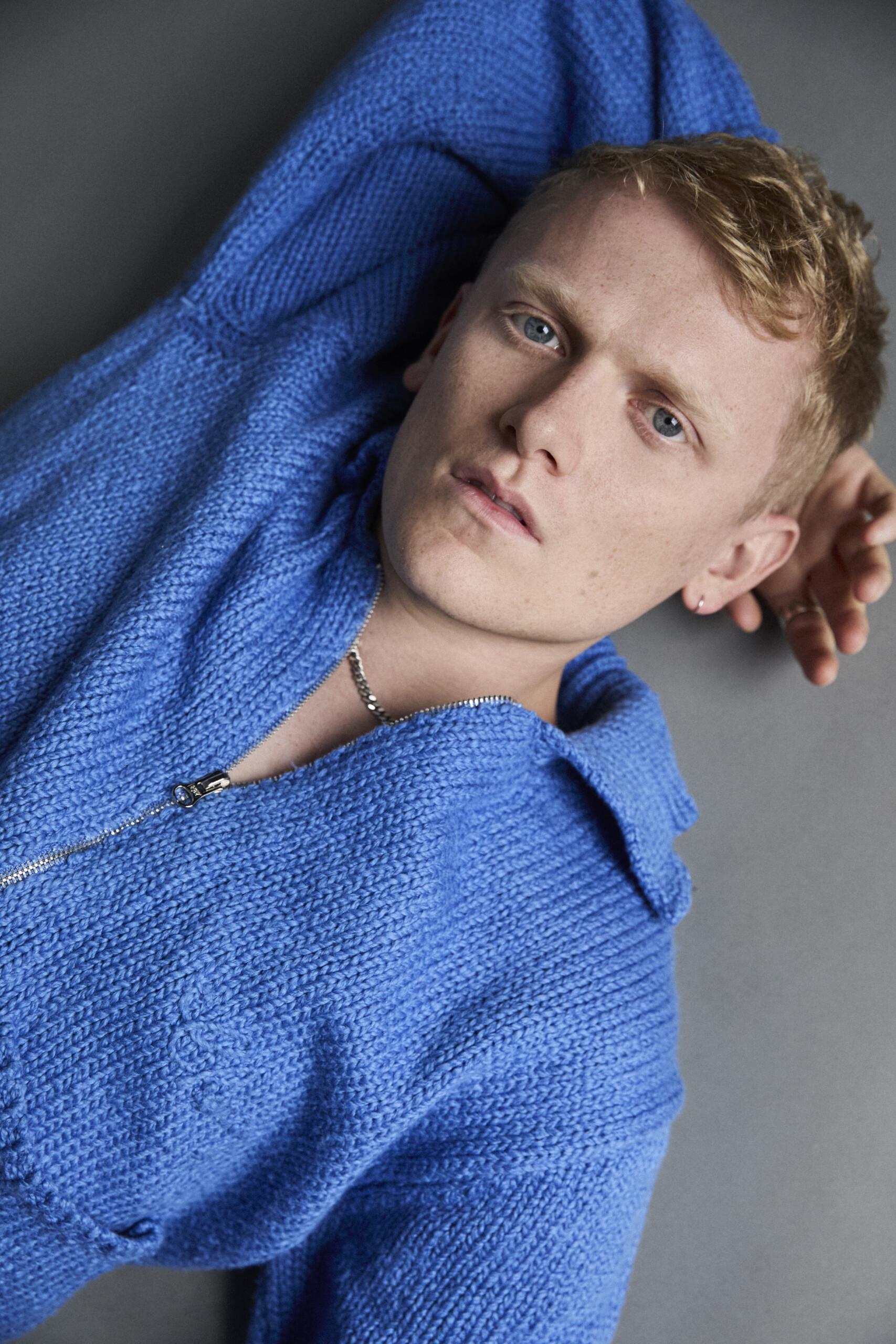
George Jaques, photographed in London, July MMXXVI
At 26, George Jaques has already made two feature films. The first, Black Dog, arrived when he was 21 and brought with it awards, nominations and the particular pressure that follows a well-received debut.
The second, Sunny Dancer, is a step up by almost every measure available: a larger cast, a wider release, Bella Ramsey in the lead as Ivy, a teenager working out how to be ordinary again after treatment ends. What is striking, sitting down with Jaques, is how little interest he has in that arithmetic.
He talks instead about the young survivors he met while making the film, two of whom he cast in it, and about the strange, funny, unglamorous business of returning to normal life when the thing that defined it has stopped. Sunny Dancer is a film about that gap, and it is far lighter on its feet than its subject matter suggests.
“The strange, funny, unglamorous business of returning to normal life when the thing that defined it has stopped.”
On the subject of Sunny Dancer
You’re only 26, but Sunny Dancer is already your second feature as a director. Has your relationship with filmmaking changed since Black Dog?
Definitely. When I made Black Dog, I was 21, so I was still figuring everything out. I’m incredibly proud of that film and it was amazing to be nominated for awards and win awards for it, but when you come off something like that, suddenly there are expectations. You start thinking, how do I grow from here? Making Black Dog taught me so much, but I think Sunny Dancer has made me realise that I’m not particularly interested in measuring my career by how much bigger each film is than the last. This film was a huge step up in so many ways — down to the cast, the scale, the release — but I don’t want to feel like I have to keep chasing that with every movie I make.
I think what’s exciting to me now is having the freedom to follow whatever story I’m interested in. That might mean making something really small and intimate, or it might mean doing something completely massive. I’m 26, and hopefully I’ve got a very long time ahead of me to make films. I don’t know what I’ll care about when I’m 40, or 60, or 80, and I actually really like that I don’t know. The stories I want to tell will evolve as I do, and I think that’s a much more exciting way to think about a career than constantly trying to top yourself.
At its heart, Sunny Dancer is about young people who have been through cancer, but it never defines them by it. Where did that instinct come from?
I’ve always been interested in what happens when the thing that has defined a period of your life suddenly stops. With these young people, so much of their adolescence has been shaped by hospitals, treatment and people worrying about them. Then suddenly they’re told they’re well enough to go back out into the world, but they’re still carrying all of that with them. I found that really fascinating.
I wanted Sunny Dancer to live in that slightly strange space where you’re trying to work out how to be a normal teenager again, while knowing you’ve experienced something that most people your age haven’t. You can be deeply affected by what you’ve been through and still want to flirt with someone, get drunk, sneak out or make a complete idiot of yourself. Those things don’t cancel each other out. In fact, I think that contradiction is what makes these characters feel human.
The film has a very strong sense of community. What did you discover about these young survivors while making it?
I got to sit alongside a lot of young people who had been through this through my work with Teenage Cancer Trust, where I’m an ambassador, and they gave me a really unique lens into that world. I also had my mum, who had breast cancer for years, so I’d seen another side of it. But I was always very conscious that I hadn’t been through it myself. I never wanted to pretend that I fully understood what they had experienced, so listening to them and learning from them became a really important part of making the film.
That’s why working with young survivors was so important to me, and why we cast two young survivors in the film. What’s been amazing is that they now have agents and are smashing it. That feels like part of the legacy of the film for me. I feel incredibly proud that the film has given them a platform, but also that they’ve taken that opportunity and are now forging their own paths.
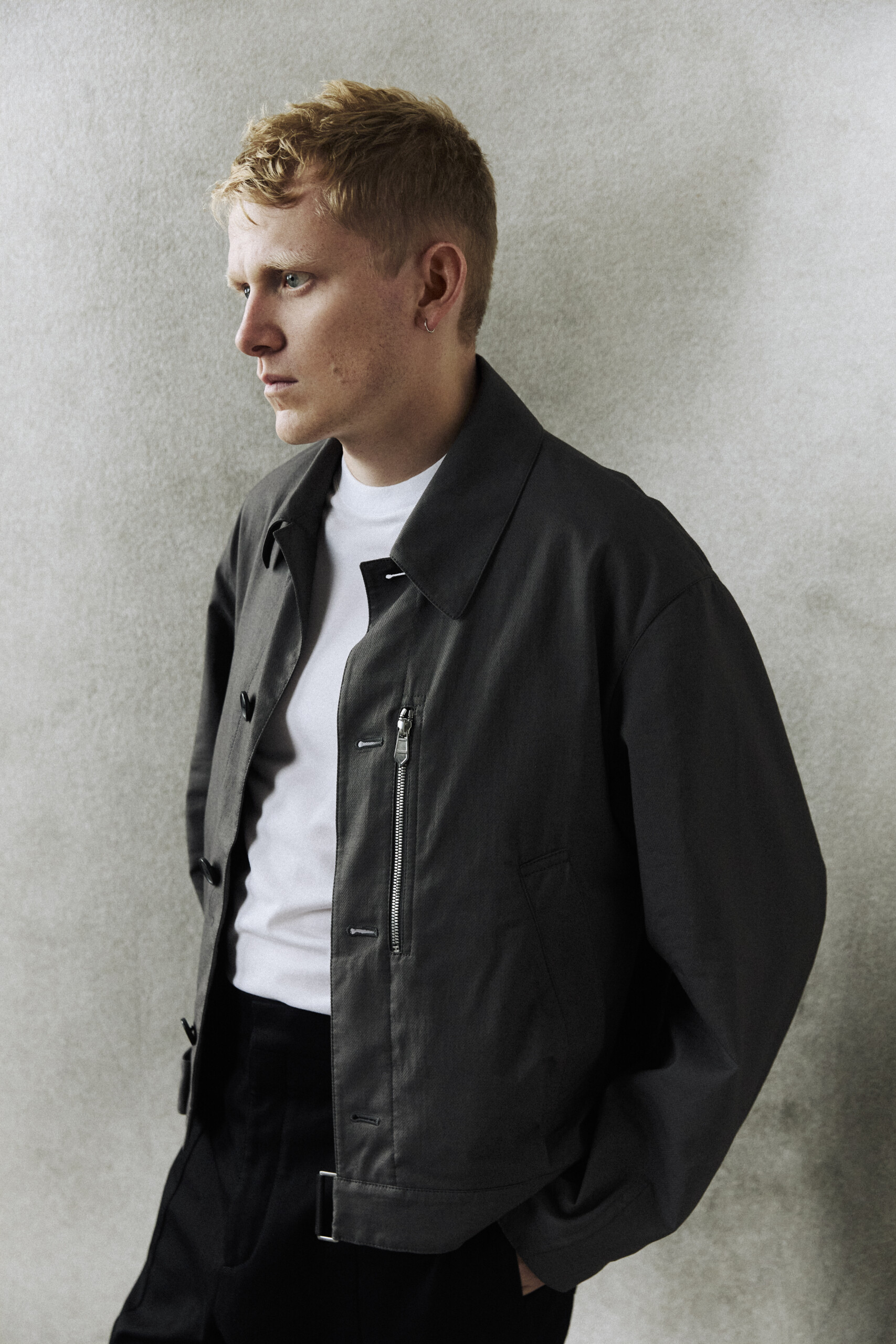
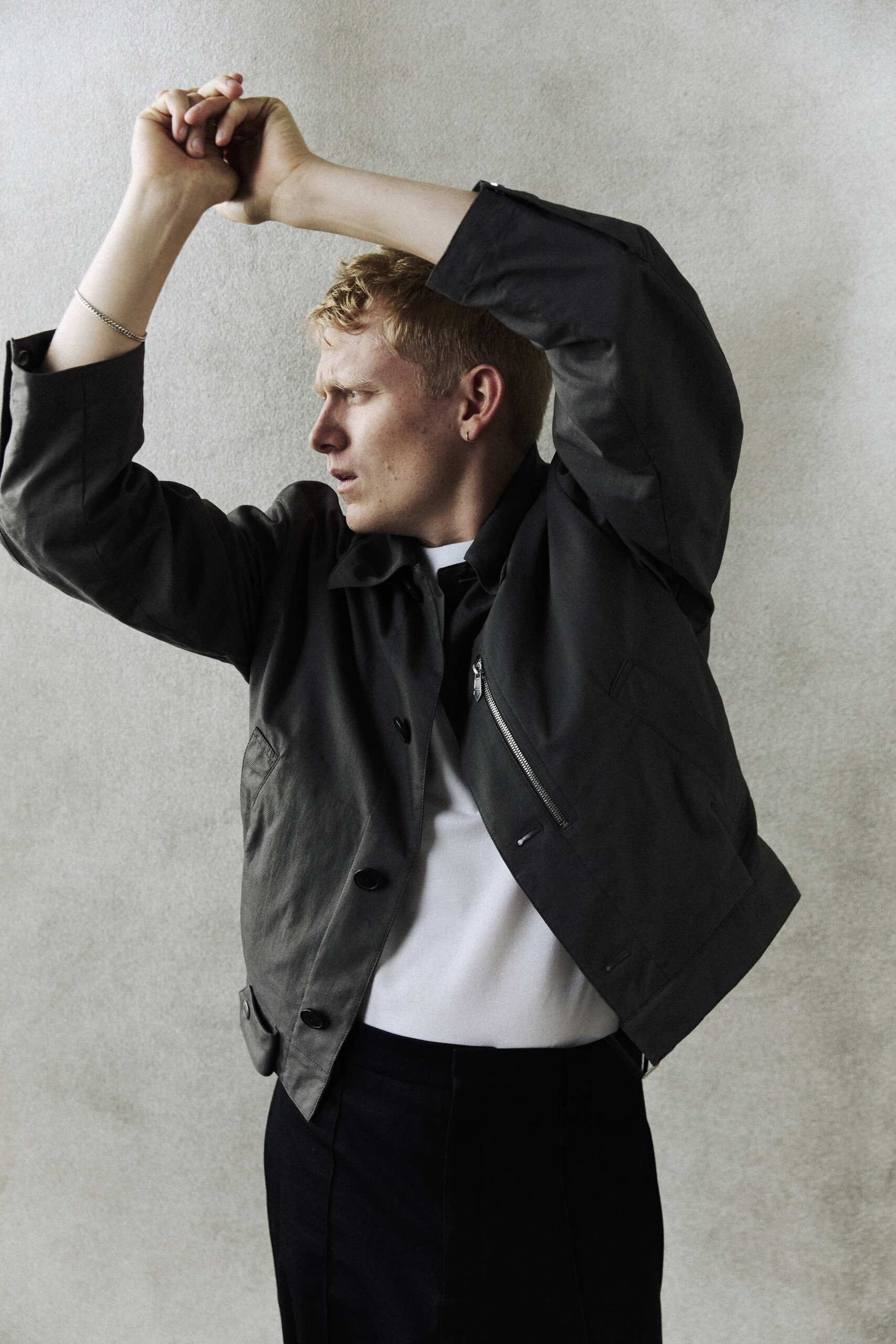
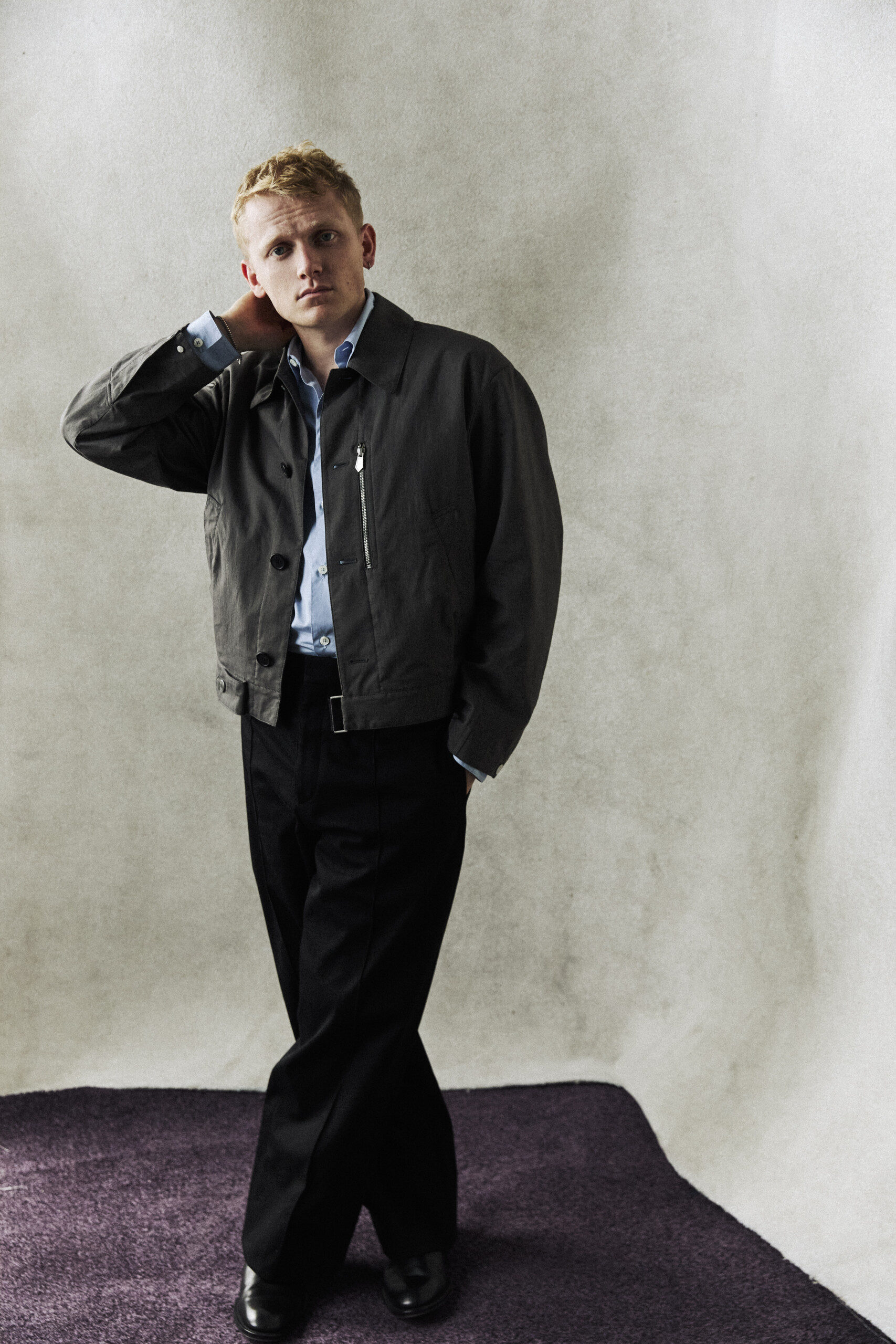
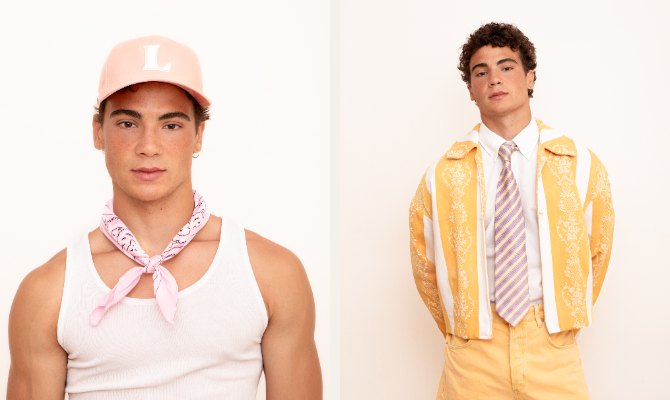
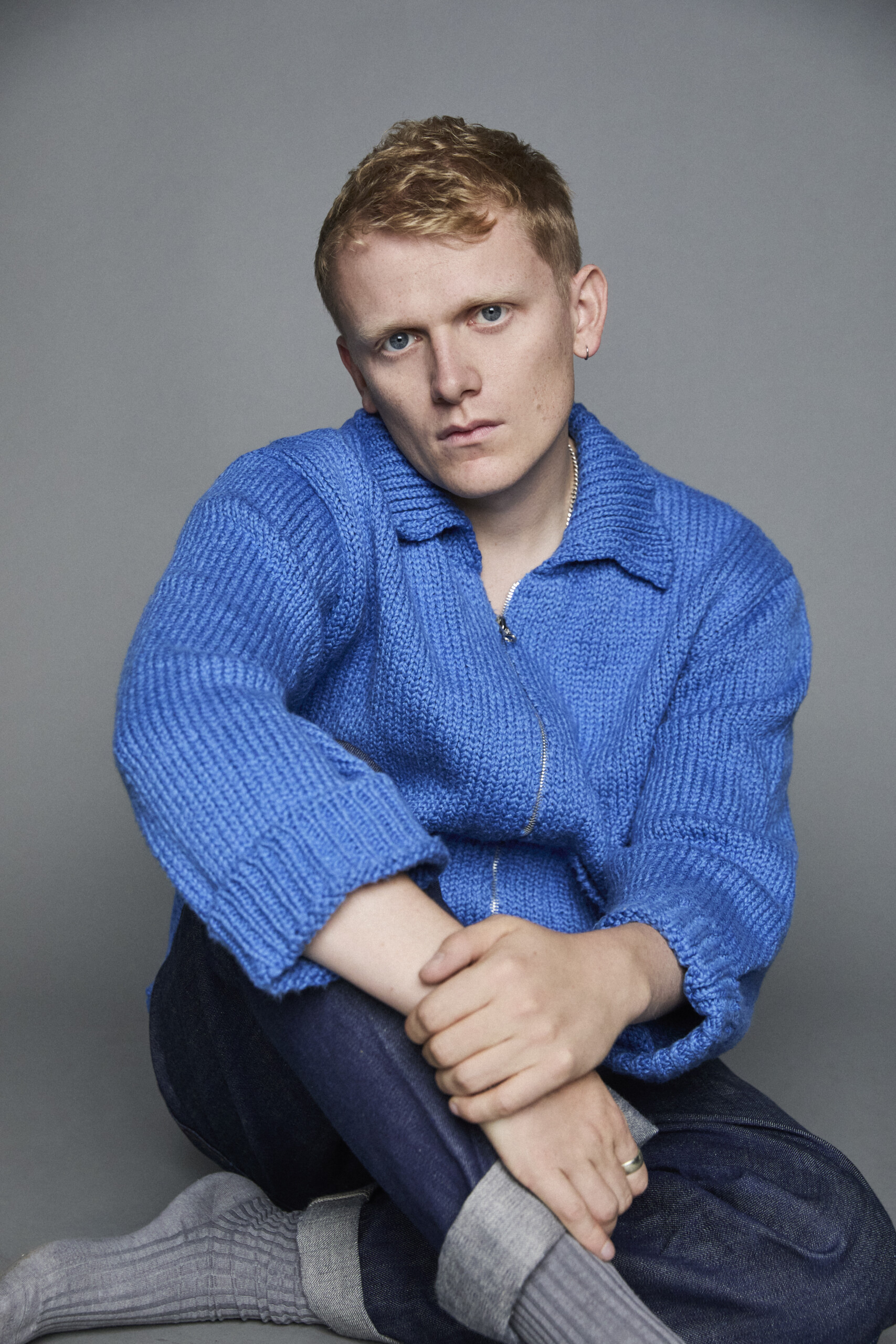
Second look · jacket, shirt and trousers, stylist’s own
Ivy is allowed to be awkward, angry, funny and messy. How important was it to let her simply be a teenager?
That was really important. I’m fascinated by writing characters who are normal people in extraordinary situations. Just because someone has been through something extraordinary doesn’t mean all the ordinary stuff disappears.
With Ivy, I wanted her to have the freedom to be difficult. She doesn’t always say the right thing, she’s going to make mistakes, she can push people away and she can be completely unreasonable. I didn’t want her to be written as a perfect survivor or someone who was constantly inspiring the people around her. She’s a teenager trying to work out who she is, and sometimes that means getting it completely wrong. I think giving her permission to be messy and contradictory was what made her feel like a real person to me.
Bella Ramsey brings so much to Ivy. What did they bring to the character that surprised you?
Bella and I had never worked together before this, and now they’re one of my closest collaborators. They’re very interested in making a character feel like a real person, so we spent hours talking about Ivy’s life beyond what was actually on the page — what music she listens to, what A-Levels she did, what GCSEs she got, what sports she liked.
We then gave all of that to the costume and production design departments. So there are little pieces of Bella’s version of Ivy throughout the film. Even the bag they take to camp has little badges sewn onto it. Those details might be tiny, but they make the character feel like she existed before the camera arrived.
“They can walk into a room and immediately have this shared understanding of what they’ve been through, without having to make it the focus of every conversation.”
George Jaques
The camp feels like a place where these characters can finally forget about being “young people with cancer”. Why was that space so important to you?
I didn’t actually know that places like this existed in the UK when I started making the film. I knew there were camps in Australia and some in Ireland, and then I was contacted by Flynn’s Barn, which is a real-life version of the camp in the film. They take young survivors to the Lake District and give them a community that understands them in a really intimate way.
What really struck me was how powerful it is for these young people to be around others who don’t need an explanation. They can walk into a room and immediately have this shared understanding of what they’ve been through, without having to make it the focus of every conversation. That sense of belonging is something I found incredibly moving.
It also made me realise that the journey doesn’t simply end when treatment does. There’s a whole part of life afterwards where you’re figuring out how to reconnect with the world and with yourself. Having somewhere that allows you to do that alongside people your own age feels incredibly valuable. Discovering that world while making Sunny Dancer was a huge part of what made me want to tell this story.
You balance some very difficult subject matter with a huge amount of humour. How did you know when to push the emotion and when to pull back?
I think both things are just true of life. When you’re going through something like cancer as a family, there are incredibly funny moments that probably shouldn’t be funny, but they are. I never wanted to be insincere about the cancer side of it, but I also didn’t want to make a film where the characters were constantly carrying the weight of what they’d been through.
We wanted to dance between the heavier stuff and the comedy, sometimes even within the same scene. Then, in the edit, it became about asking when that emotional whiplash was too much. You don’t want to undercut something beautiful and turn it into sentimentality or melodrama. It’s a really fine balance, and I was incredibly lucky to have my editor Caitlin with me, because she had been to these camps and had cancer herself. She understood that world in a way that was incredibly valuable.
What do you hope people take away from Sunny Dancer when they leave the cinema?
I think what I’d really like people to leave with is a feeling of connection. We made the film with the intention that you could come and experience it with other people — laugh together, cry together and hopefully walk out feeling something that stays with you. I wanted it to feel life-affirming rather than heavy, and like they’ve been on a journey with these characters.
Making Sunny Dancer has also made me realise how much I want filmmaking to be about more than just the finished film. The relationships I’ve built, the young people I’ve met and the things I’ve learned through making it will stay with me for a very long time. I’m incredibly proud of what we’ve made, but I’m equally excited by the person I feel I’ve become through making it. I’m 26, so I have no idea what the next few decades of my career will look like, but I feel more curious and hopeful about them than I ever have.
SUNNY
DANCER
Sunny Dancer is now in cinemas nationwide, and will be released in US cinemas in September.
LEWIS · MMXXVI