Netflix’s Frankenstein Review – Guillermo del Toro’s Gothic Prayer to the Monster Within
At seven years old, Guillermo del Toro walked out of a cinema having seen James Whale’s Frankenstein and felt, in his own words, that “Gothic horror became my church, and Boris Karloff my messiah.”
Decades later, that childhood revelation finally crystallises in Frankenstein (2025), his long-gestating adaptation of Mary Shelley’s novel now streaming globally on Netflix after a Venice premiere, a limited theatrical run, and an awards-season friendly rollout through TIFF, Busan and the BFI London Film Festival.
The result is not simply another monster movie, nor a faithful period museum piece. It’s a bruised, baroque, deeply emotional epic part Gothic romance, part war film, part spiritual confession that feels like both a summation of del Toro’s cinema and a farewell to an obsession that has haunted him his entire career.
The Story
Del Toro’s Frankenstein keeps the novel’s framing device but sharpens it into something grand and operatic. We open in the Arctic, where the Danish ship Horisont is trapped in the ice. Its stoic captain, Andersen (Lars Mikkelsen), drags aboard a half-frozen, delirious stranger: Baron Victor Frankenstein (Oscar Isaac), limping, frostbitten and burning with a kind of sacred madness.
From his bunk, Victor begins to tell his story and the film slips back through memory: a childhood shaped by a distant, domineering father and an adored mother; a young man’s furious ascent through European academies; the Crimean War’s butchered battlefields where flesh is cheap and death industrialised. Out of that carnage comes the experiment: a tall, alabaster patchwork of fallen soldiers, stitched into a “beautiful monster” by a man convinced he can bend life and death to his will.
Jacob Elordi’s Creature is first a trembling newborn, almost wordless, terrified by light, sound and touch. As the narrative unfolds, he becomes something altogether stranger: a philosopher in a borrowed body, learning language, ethics and rage as the world rejects him. Del Toro interweaves Victor’s recollections with the Creature’s own perspective, ultimately returning us to the ice where both creator and creation must decide whether they are enemies, mirrors, or something more like father and son.
Why Frankenstein Works
Del Toro has insisted for years that his Frankenstein would be “an incredibly emotional story” rather than a straight horror movie, and that proves absolutely true. The scares here are largely existential: the fear of being unloved, unseen, unwanted; the horror of realising that the person who made you whether God, parent or institution may have done so for selfish reasons and then abandoned you.
What makes the film sing is how personal it feels. Del Toro has openly described both Pinocchio and Frankenstein as part of his DNA, stories about children whether wooden puppet or resurrected corpse who ask the same burning questions: Why was I made? Who do I belong to?
You can feel that intensity in every frame. The film’s 150-minute runtime could easily have collapsed under the weight of literary fidelity and visual excess, but instead there’s a propulsive energy to it an adolescent anxiety carried over from Shelley’s text. Victor and his Creature are both restless, furious, desperate to argue with God, capitalism, history, war, and each other.
Crucially, del Toro never treats the Creature as a mere special effect or genre icon. He’s the film’s conscience and its question mark. By the time we reach the Arctic climax where novel and film diverge, as the Creature chooses not fiery annihilation but a strange, solitary future after reconciling with his dying creator the story has quietly shifted from revenge tragedy to something closer to a spiritual reckoning.
Thematic Ambition: Monsters, Fathers and the Inheritance of Pain
Del Toro has always been a patron saint of outsiders, but in Frankenstein that sensibility is sharpened into an explicit meditation on parents and children on what is passed down knowingly and unknowingly.
Victor, as embodied by Isaac, is not the clean-cut rational hero of some earlier versions. He’s what del Toro calls a tyrant who believes himself a victim: perpetually wronged, eternally misunderstood, using his pain as justification for monstrous acts. His trauma grief for his mother, hatred of his father, wounded ego as an artist-scientist becomes the blueprint he unconsciously stamps onto his creation.
The Creature, meanwhile, is literally made from other people’s suffering: soldiers torn apart on Crimean fields, stitched together into a mosaic of different skins that age and discolour in uneven ways. He is history’s violence made flesh and yet he’s also the film’s most compassionate figure, constantly reaching out for connection even as the world recoils.
That duality is where the film is at its most moving. Del Toro suggests that we are all composed, in some sense, of inherited scars family trauma, social cruelty, national histories of war and exploitation. But inheritance is not destiny. The Creature spends the entire film deciding which parts of his “parent” to accept and which to reject. If Victor is defined by self-pity and denial, the Creature is defined by a stubborn willingness to feel: sorrow, longing, love, rage, forgiveness.
The ending’s quiet gesture Creature and creator finally seeing each other clearly, if only for a moment feels like the culmination of del Toro’s lifelong belief that monsters are not the enemy but the mirror. In the director’s own words, Frankenstein’s monster has long been his “patron saint”; here, he invites us to consider him as ours too.
Performances and Direction
Oscar Isaac’s wounded rock-star scientist
Isaac’s Victor Frankenstein may be one of the actor’s finest performances and that’s not a phrase to throw around lightly given Inside Llewyn Davis and Ex Machina on his CV. Del Toro has said he wanted to approach Victor less as a lab-coat boffin and more as a kind of punk rock frontman; Isaac leans into that idea with relish.
In the lab sequences he’s swaggering, theatrical, dressed in bold checks and those already-iconic red gloves, as if the tower were a stage and his experiment a live performance. Later, as the narrative jumps in time, he plays Victor broken and hollowed out, wrapped in furs on that Arctic ship, his body literally falling apart from frostbite and old injuries.
The tightrope he walks is tricky: Victor must be monstrous without ever becoming boringly evil. Isaac finds the pathetic core under the arrogance a lonely child who never grew up, still trying to impress the ghost of his mother and defy the shadow of his father. It’s a performance full of tiny, telling contradictions: vanity and self-disgust, cruelty and genuine wonder, cowardice and rare flashes of self-knowledge.
Jacob Elordi’s “beautiful monster”
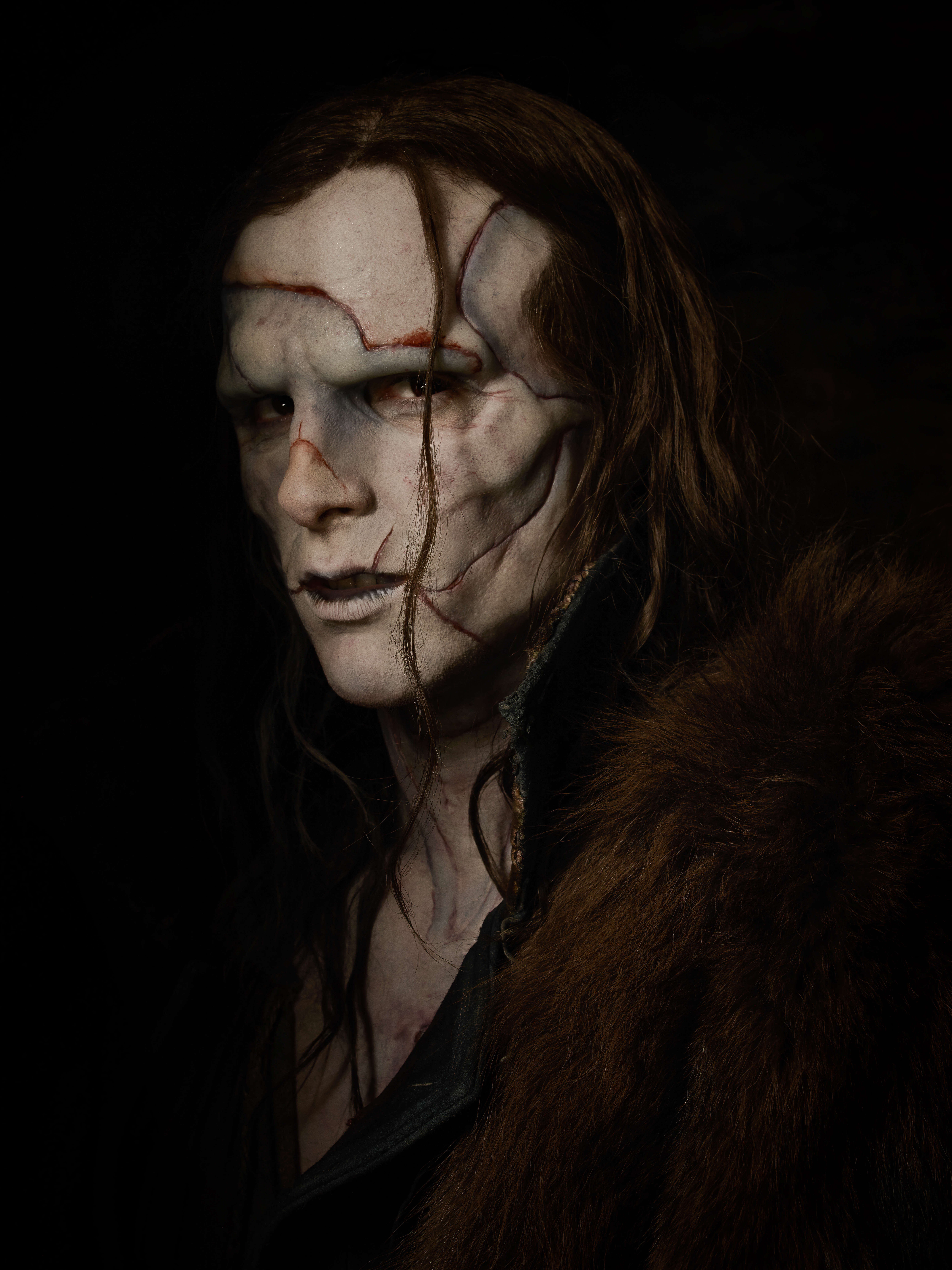
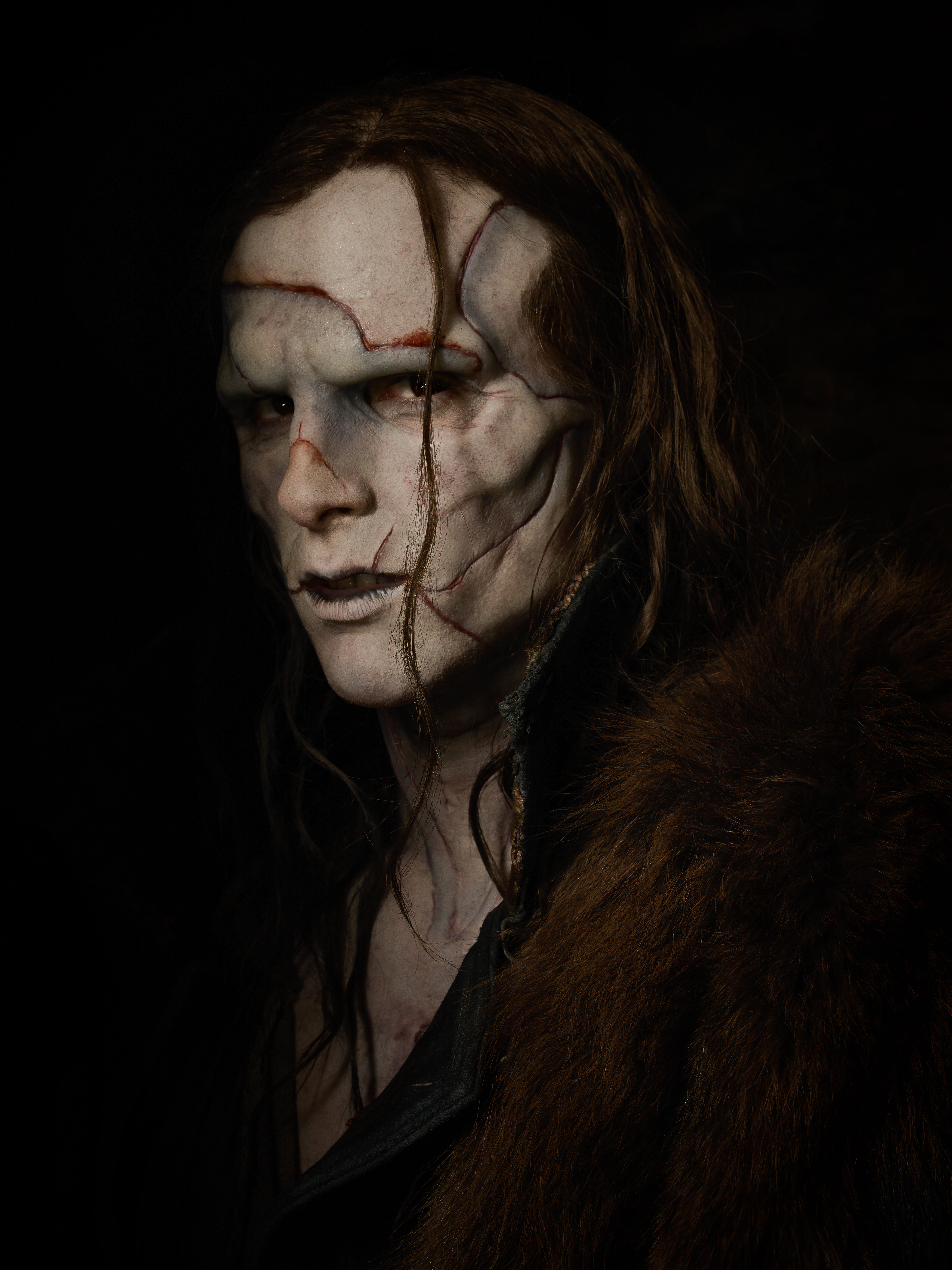
After Euphoria and Priscilla, Jacob Elordi feels like inspired casting as the Creature – a tall, elegant figure remade here into something between a marble statue and a wounded animal. Del Toro and creature designer Mike Hill designed him as a “beautiful monster”, with skin that looks almost translucent, patched from multiple bodies in varying shades of bruised blue and waxy white.
What could have been an exercise in prosthetic showmanship becomes, instead, a startlingly vulnerable performance. Elordi spends much of the film under 42 individual prosthetic pieces, dental appliances and asymmetrical lenses, and yet you never lose the sense of a living, thinking person beneath the makeup.
His Creature begins with Butoh-inspired, tentative movements as if moving through water then gradually gains weight, purpose and language. When he finally speaks at length, it’s both jarring and deeply moving, like hearing a child suddenly articulate all the pain of adulthood. Elordi plays him as curious, wounded and occasionally terrifying, but never less than fully human. It’s no surprise his work has already been singled out by critics and early awards bodies.
Mia Goth, Christoph Waltz and a killer supporting cast
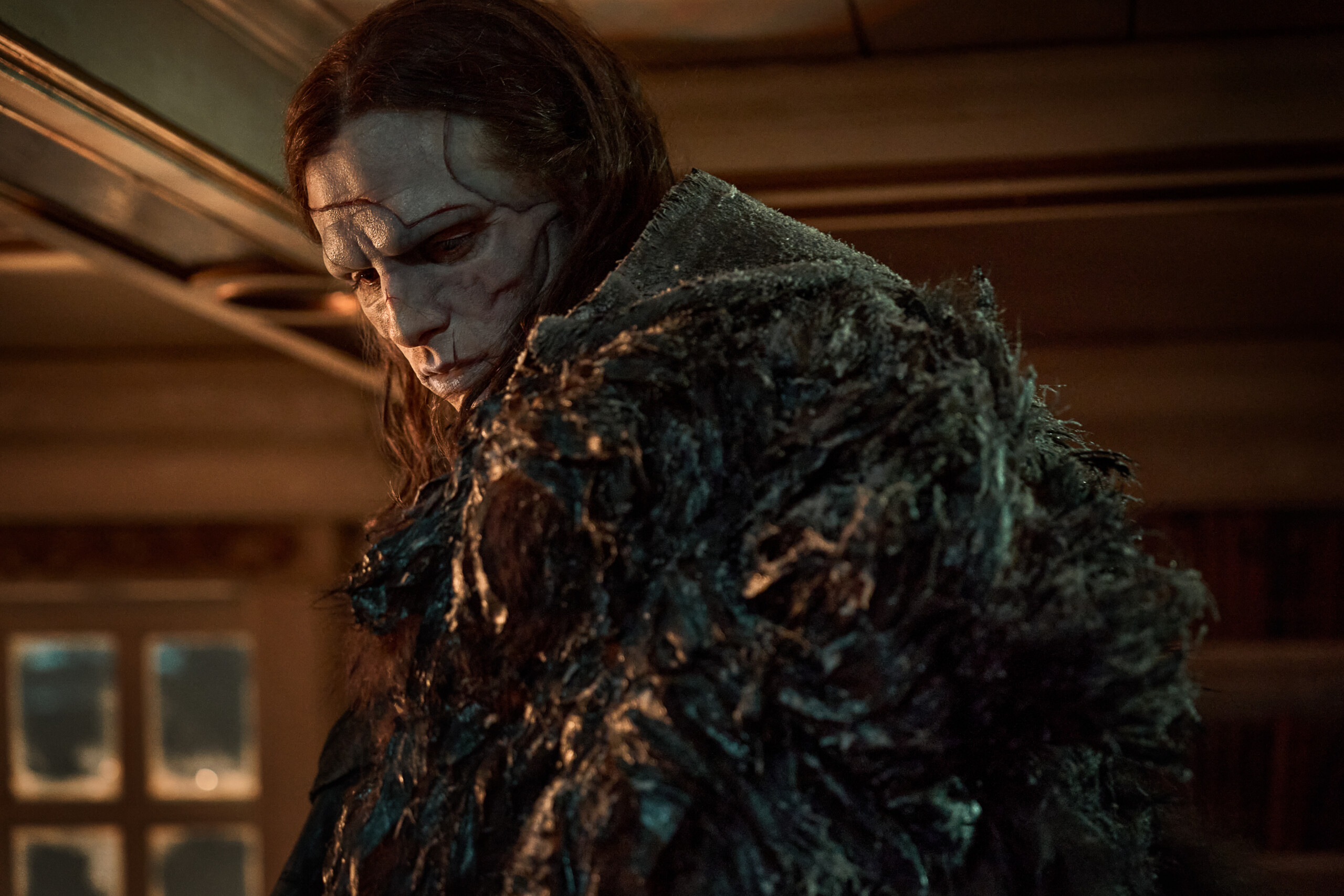
Mia Goth brings a delicate, uncanny energy to Elizabeth Harlander a character expanded here into more than the usual tragic fiancée. Del Toro and Goth give her an entomologist’s fascination with the natural world, framing her as a kind of mirror-image to Victor: another mind hungry for knowledge, but one rooted in care rather than domination.
Christoph Waltz, meanwhile, glides through the film as Heinrich Harlander, a seemingly respectable patron whose interest in Frankenstein’s work is anything but altruistic. Waltz understands precisely how far to push the oily charm without tipping into parody; he feels like a cousin to the industrialists and opportunists that haunt del Toro’s other films.
Around them orbit a gallery of sharply drawn faces Felix Kammerer as Victor’s golden-boy brother William, David Bradley and Charles Dance in perfectly judged turns, and Lars Mikkelsen grounding the Arctic framing device with weary gravitas.
Visuals, Craft and Score: An Old-Fashioned Spectacle, Made by Hand
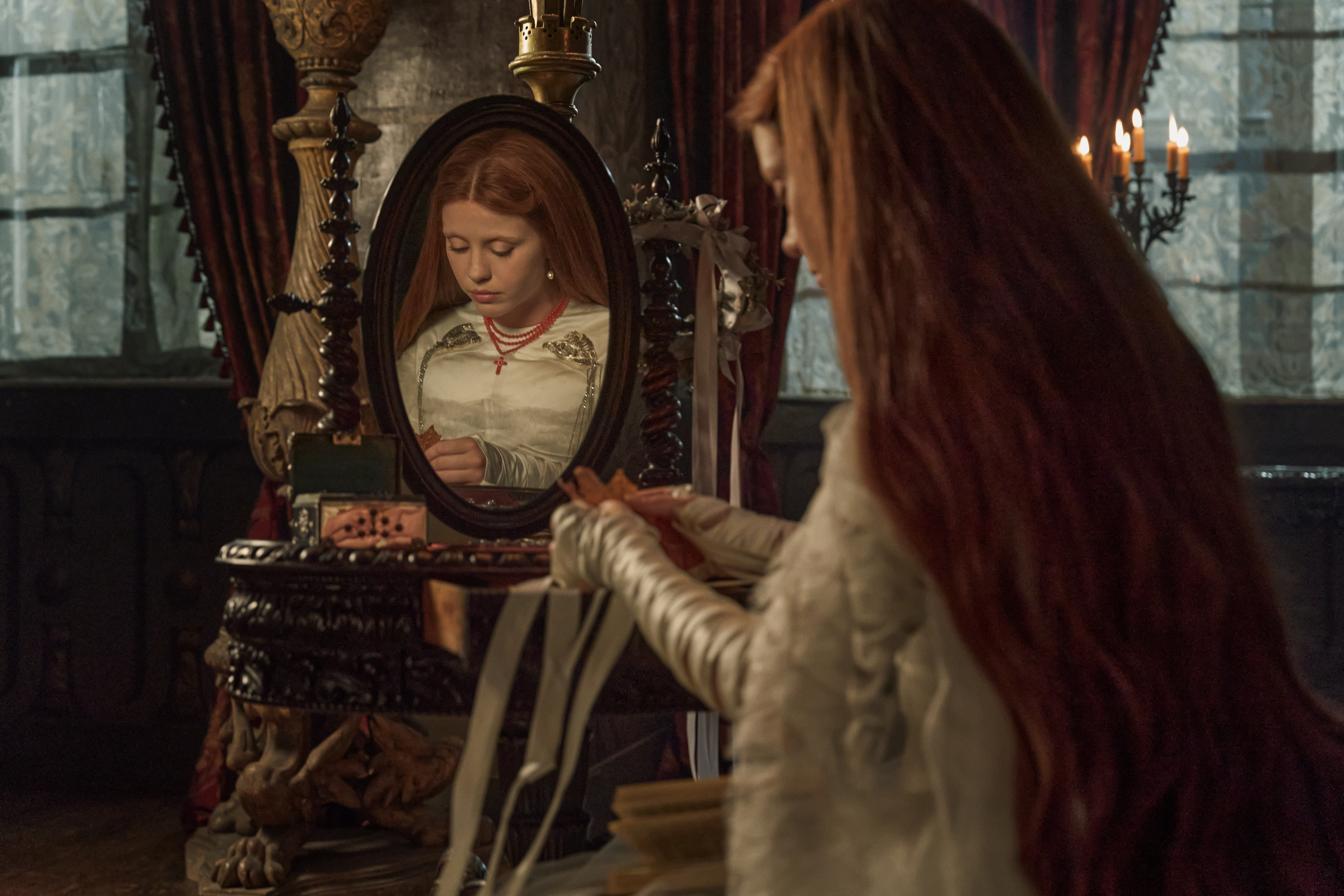
If Frankenstein is a passion project thematically, it’s also a full-throated declaration of love to old-school filmmaking craft. Del Toro, cinematographer Dan Laustsen and production designer Tamara Deverell have built a world that feels tactile, weighty and exhaustively curated.
The lab, constructed inside an abandoned water tower with its circular windows, spiral staircases and sea-green patina, feels like something out of both a medieval cathedral and a 1970s prog-rock album cover. The Crimean battlefields are muddy, chaotic hellscapes where bodies pile up like discarded machinery. The Horisont itself is a full-scale ship mounted on a gimbal, not a digital cheat you can feel the planks shudder and the masts groan when the Creature moves it.
Laustsen shoots in large-format on the Alexa 65, leaning into wide lenses and a colour palette that swings between cold cyan and warm amber, pierced occasionally by electric flashes of red the colour of Victor’s haunted childhood and the stain that follows him into adulthood.
Kate Hawley’s costumes, meanwhile, flirt knowingly with anachronism. Victor’s wardrobe fuses 19th-century cuts with the swagger of Nureyev and 1970s rock stars; Elizabeth’s dresses shimmer with beetle-like iridescence, echoing her love of insects; the Creature’s evolving layers of bandages, military cast-offs and furs trace his journey from newborn to myth.
Over all this, Alexandre Desplat’s score pours like molten gold by turns intimate, liturgical, and gloriously over-the-top, weaving organs, choirs and swooning strings into something that feels like a mass for broken bodies. It’s one of his richest collaborations with del Toro yet, amplifying the film’s mix of tenderness and operatic excess.
Weaknesses: When the Opera Threatens to Swallow the Intimacy
For all its achievements, Frankenstein is not beyond criticism. Some viewers including more sceptical voices in the US press have argued that the film’s ambition occasionally outruns its discipline, that Netflix’s platform both enables the scale and blunts the impact.
There are stretches in the mid-section where the sheer density of incident (war scenes, family drama, academic intrigue, philosophical debates) risks overwhelming the emotional through-line, particularly for audiences less familiar with Shelley’s structure or del Toro’s preoccupations. And while the ending’s turn towards reconciliation and hope is powerful, purists may miss the stark nihilism of the novel’s final pages.
Yet even these “flaws” feel, in a way, like part of the film’s character. This is not a tidy prestige adaptation designed by algorithm. It’s messy, maximalist, occasionally indulgent the work of an artist pouring thirty years of obsession into one movie and refusing to sand off all the edges.
Final Verdict: A Monster Made for Our Age
Del Toro once said he dreamed of making the greatest Frankenstein ever, but also feared that once he’d done so, he’d never be able to dream about it again. Watching the finished film, you feel that tension: the exhilaration of finally realising a vision and the melancholy of letting it go.
As a piece of cinema, Frankenstein sits comfortably alongside Pan’s Labyrinth, Crimson Peak and The Shape of Water as a defining work in his filmography less a horror film than a Gothic melodrama about love, grief, parenthood and the monstrous ways we hurt each other in the name of progress or protection.
As an adaptation, it’s both reverent and rebellious: steeped in Shelley’s rhythms yet unafraid to change structure, emphasis and ending to better reflect a 21st-century understanding of trauma and responsibility.
And as a Netflix release in 2025, landing on home screens after a rare, old-fashioned theatrical roadshow, it’s also a reminder that streaming cinema doesn’t have to mean diminished ambition. This is a film that begs and rewards full attention: lights down, phone aside, volume up, ready to spend two and a half hours with two souls, both stitched together from the ruins of a broken world, trying desperately to understand each other.
If Gothic horror was del Toro’s church, Frankenstein is his sermon a heartfelt plea for compassion towards the creatures we fear, the children we fail, and the parts of ourselves we’d rather keep buried. On Netflix, in living rooms around the world, this monster finally comes home.
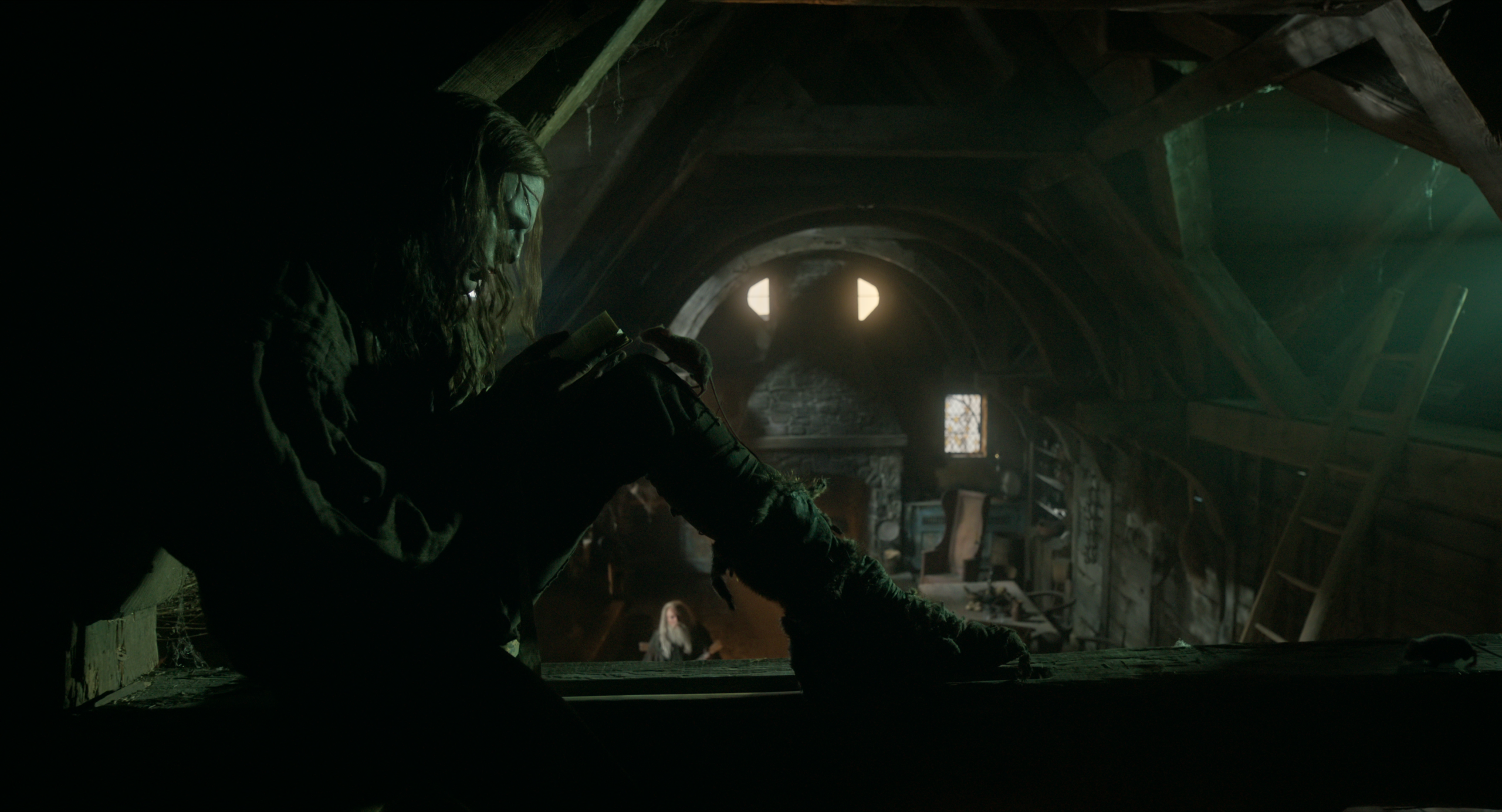
Guillermo del Toro’s Frankenstein a bold, human reimagining of Mary Shelley’s classic is now streaming worldwide on Netflix.
Leave a Reply