
São Paulo · MMXXVI · Magazine
Culture · The Interview
The Reinvention of Sergio Marone
After twenty-five years, six films and the most memorable villains on Brazilian television, the actor, presenter and environmentalist is entering his most deliberate chapter yet — one built on presence, consciousness and a quieter kind of power.

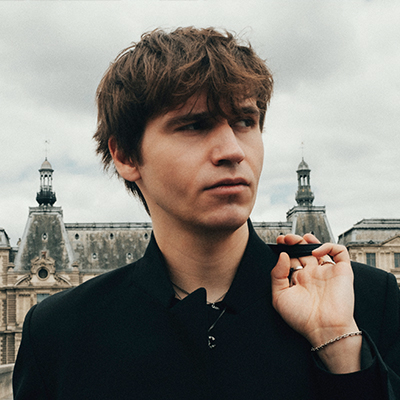
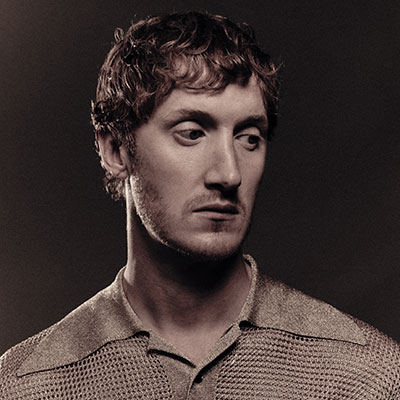
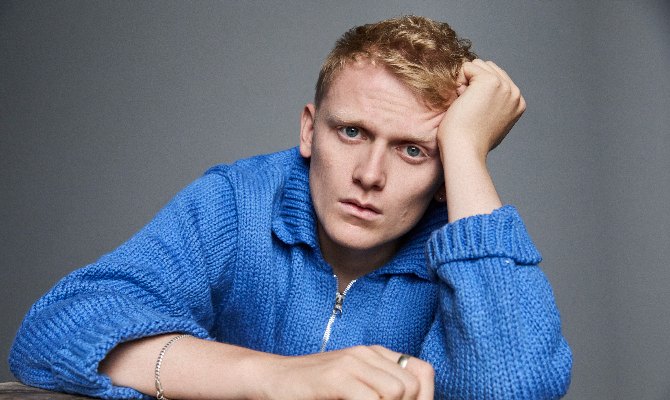
Sergio Marone, photographed in São Paulo, April MMXXVI
There is a particular sort of actor who only grows more interesting with time. Sergio Marone is one of them. A quarter of a century into a career that spans six feature films, more than twenty-five television novelas and series, and nine stage productions, the Brazilian star is not coasting on the goodwill of an established name.
He is, by his own account, recalibrating — sharpening his focus, refining his choices and stepping into a phase he describes as one of “expansion and refinement, both personal and professional.”
It is a telling phrase. Marone has never been an artist content to repeat himself, and the version of him that arrives in 2026 is more self-possessed, more discerning and, perhaps, more dangerous on screen than ever before.
The man who plays the villains we remember
For many across Brazil and well beyond it, Marone’s defining moment came in 2015, when he stepped into the sandals of Ramsés in Os Dez Mandamentos, TV Record’s epic biblical drama directed by Alexandre Avancini. It was a performance of genuine magnitude — a villain rendered with such conviction that it earned him acclaim from both the public and critics, at home and abroad. The novela travelled across three continents, and Marone’s pharaoh travelled with it, becoming one of the most talked-about antagonists Brazilian television had produced in years.
That instinct for complicated, morally shaded men has become something of a signature. Today, Marone is back in the role of the antagonist, filming Amor em Ruínas for Disney+ and Record TV, where he plays Amit, the villain at the dark heart of a series directed by Emmy winner Davi Lacerda, of Pantanal renown.
For Marone, the part is more than another credit. “As an artist, I’m interested in exploring narratives about transformation, human complexity and reinvention,” he says. “I’m drawn to characters who provoke reflection, who reveal contradictions and carry deeper emotional layers.” Amor em Ruínas, he adds, speaks to exactly that, and marks a moment of artistic maturity he considers very significant.
“I’m drawn to characters who provoke reflection, who reveal contradictions and carry deeper emotional layers.”
Sergio Marone

A career that refuses a single lane
To reduce Marone to his villains, though, would be to miss the breadth of the thing. His filmography reaches back to 2001 and O Dono do Mar, adapted from the José Sarney novel, and takes in Sonhos e Desejos, a double prize-winner at the Gramado Festival; Daniel Aragão’s auteur drama Prometo um Dia Deixar Essa Cidade, screened in the main programme at Rotterdam; and the Spanish production Jesús de Nazaret, in which he played Pontius Pilate.
In 2021 he added a new title to his business card entirely: producer. Jesus Kid, adapted from the Lourenço Mutarelli novel to which Marone holds the rights and directed by Aly Muritiba, marked his debut behind the scenes as a film producer. Most recently he appeared in Felipe Cagno’s thriller Bala Sem Nome.
On stage, his range has been just as restless — from the off-Broadway adaptation Segredos Que Só os Homens Têm to the multiply Shell-nominated O Santo Parto and Escravas do Amor, the latter staged again in 2012 to mark the centenary of Nelson Rodrigues. His long-running two-hander Eu Te Amo, drawn from Arnaldo Jabor, premiered in 2014 and has been touring Brazil ever since. In 2025 he opened Padre Pinto at Sesc Pompeia in São Paulo, written and directed by Luiz Marfuz.
Then there is the small matter of television presenting, a discipline Marone has made unmistakably his own. He has hosted the live broadcast of Miss Brasil, fronted Red Carpet Review on E!, guided audiences through Florestabilidade on Canal Futura, lifted the ratings of Record’s morning show Hoje em Dia, danced alongside the legendary Xuxa Meneghel on Dancing Brasil, and anchored the reality series Mestres da Sabotagem for SBT. It is a presenting CV most full-time hosts would envy.
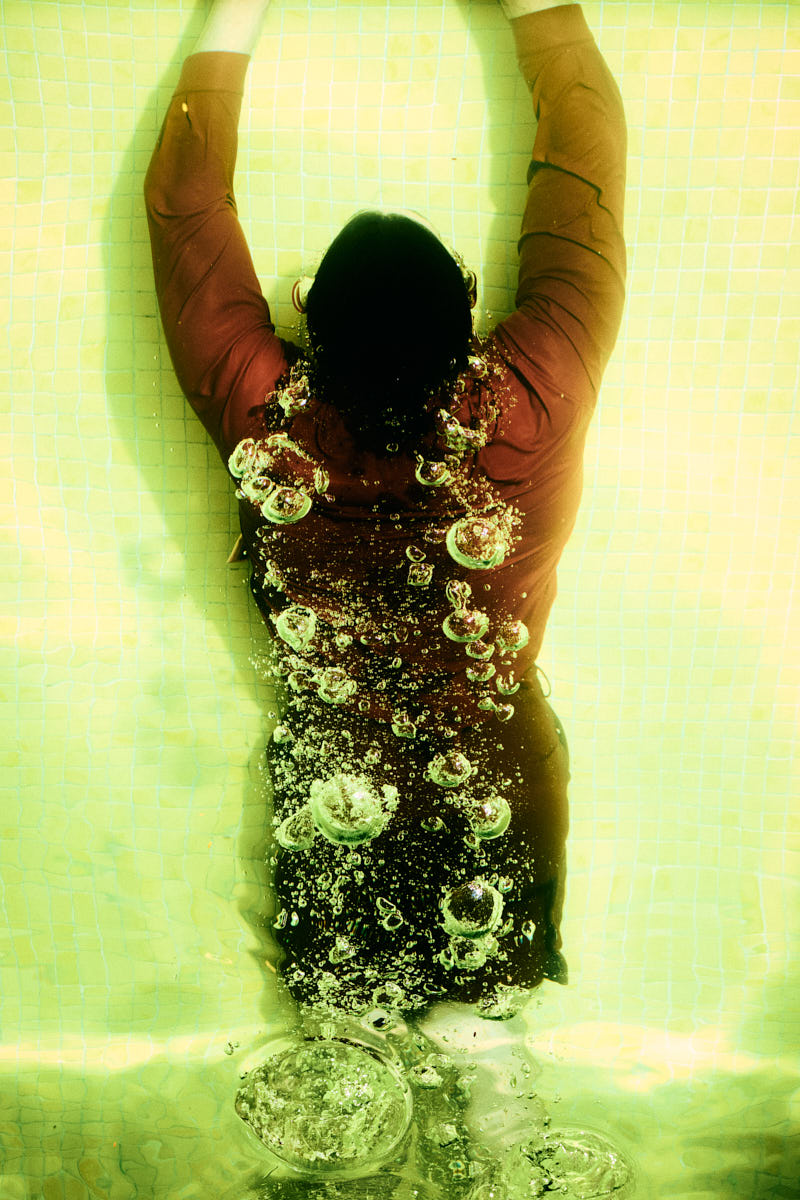

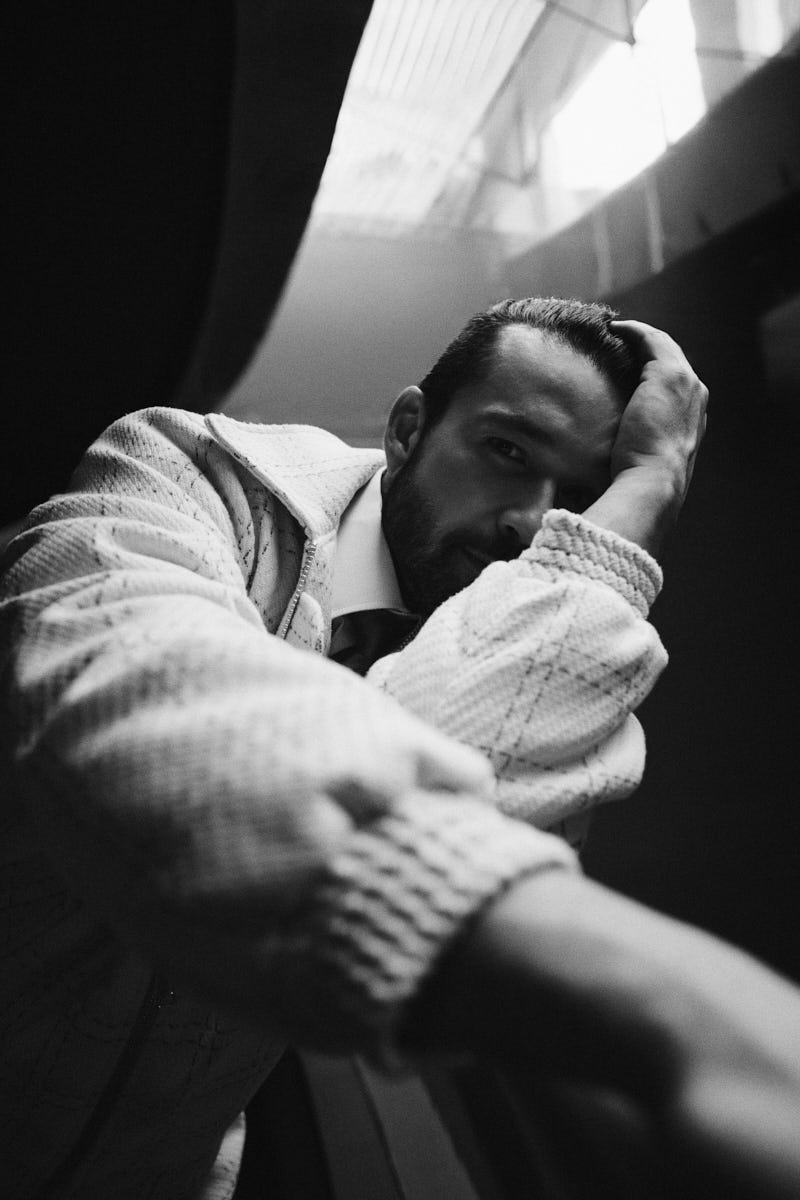
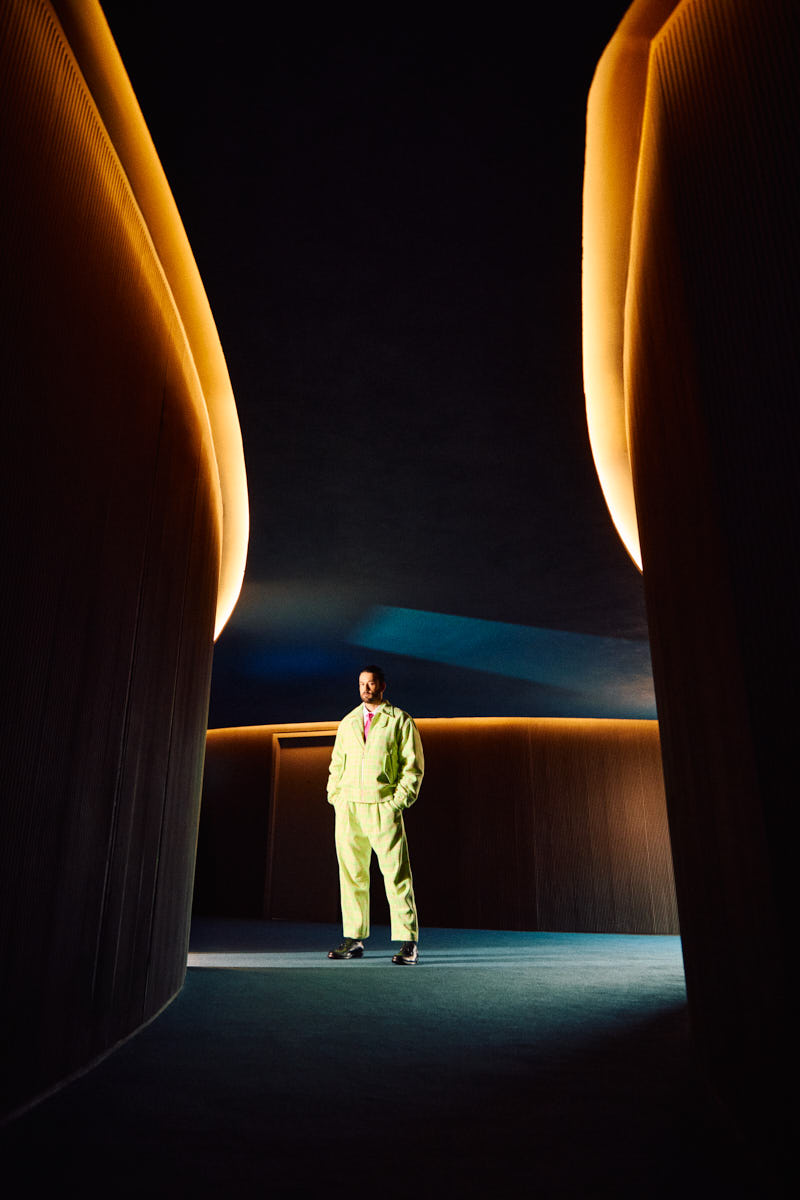
Second look · art direction and styling, Schiavelli
The next act — conversation as craft
It is precisely that side of his work that Marone now wants to expand. “There’s a real desire to move increasingly into the world of presenting,” he says, “conducting relevant conversations about behaviour, culture, wellbeing, longevity and the shifting movements of contemporary masculinity.” He speaks of wanting projects that “create genuine connection and provoke intelligent dialogue” — not the disposable chatter of light entertainment, but something with weight to it.
The interest in masculinity is not incidental. Marone has been thinking carefully about how men present themselves to the world, and how that presentation is changing. He sees style itself as part of the conversation.
Dressing as a language
“I’ve come to see clothing as a silent language, an extension of identity,” he says. His own taste has settled into something more considered. “I’m interested in a more mature masculine aesthetic, precise and essential. Less about excess or imposition, more about presence, authenticity and sophistication.” What fascinates him is the way men’s style has loosened and deepened at once, “gaining new layers of freedom, sensibility and personality.”
It is a sensibility he has been cultivating publicly for over a decade. In 2014 he launched Mr. Jazzy, a men’s lifestyle blog devoted to fashion, conscious living, responsible consumption, sport, gastronomy, art, entertainment and travel — a project that now reads less like a side venture and more like an early sketch of the cultural commentator he is becoming.
“I’ve come to see clothing as a silent language, an extension of identity.”
Sergio Marone
Elegance with a conscience
If there is a thread binding all of this together, it is a refusal to treat values as decoration. Marone’s environmental commitment is long-standing and serious. In 2012 he founded the Gota d’Água movement, which gathered more than a million signatures against the construction of the Belo Monte hydroelectric dam in the record span of a single week, forcing a national reckoning over how Brazil produces and distributes its energy. He travelled to the Xingu River region at the invitation of Indigenous leaders, and the cause has stayed with him.
“Another theme that’s very important to me is sustainability,” he says. “Not as a trend, but as practical consciousness and collective responsibility.” He has worked to fold it into his own life and choices, and into the projects he attaches his name to. “I believe elegance and consciousness go hand in hand, including in the way we consume and the way we express ourselves.”
A deliberate chapter
Ask Marone to sum up where he stands, and the answer is unhurried and clear-eyed. “More than anything, this is a moment of construction and repositioning,” he says. “A more conscious look at career, image and purpose, seeking to unite aesthetics, content and relevance in a truthful way.”
It is a rare thing to watch a performer at the height of his recognition choose, instead of comfort, the harder work of reinvention. But that, perhaps, has always been the Marone instinct: to play the man with contradictions, the one with depth beneath the surface. Twenty-five years in, he is doing it not only on screen, but with the whole of his career. The next act, you sense, is going to be the most compelling one yet.
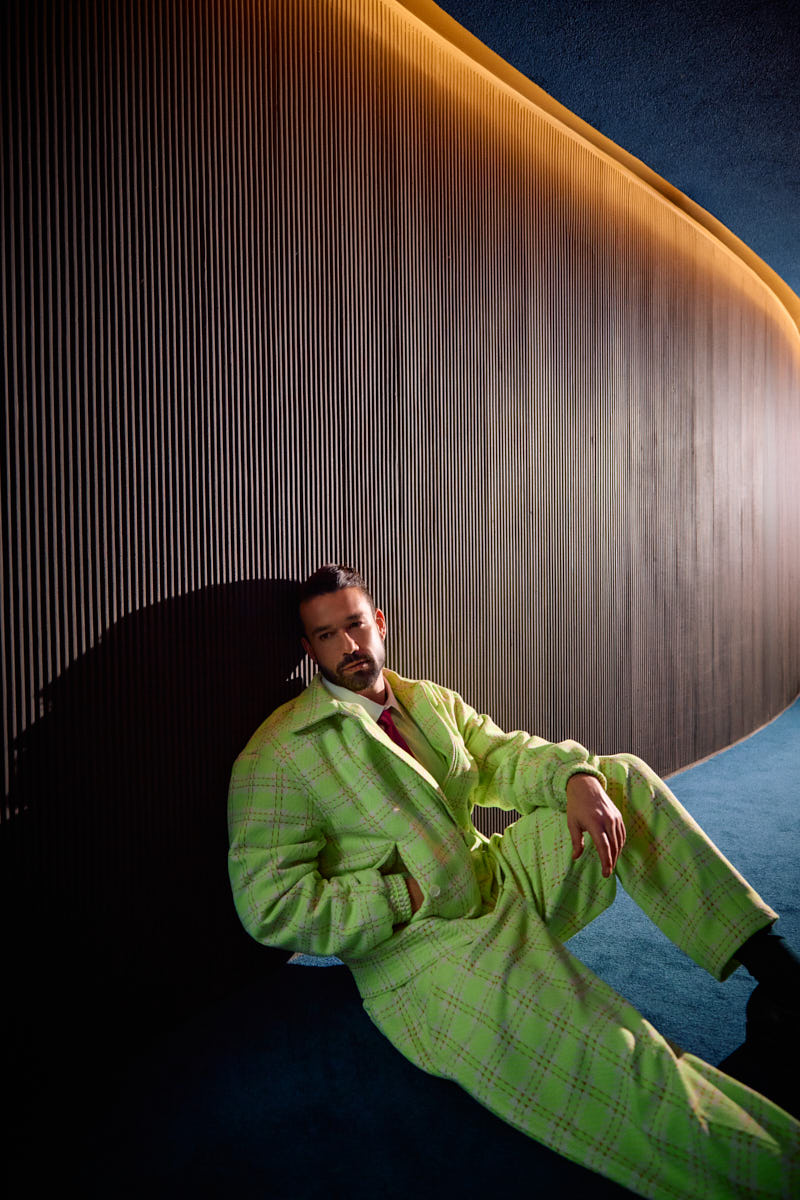
AMOR EM
RUÍNAS
Sergio Marone plays Amit in Amor em Ruínas, directed by Davi Lacerda, coming to Disney+ and Record TV.
LEWIS · MMXXVI
Sérgio Marone
@sergiomarone
Schiavelli
@schiavellii
Andre Arthur
@_andrearthur
Zeh Gonçalves
@zehplace
Cris Lopes
@beleza.crislopes