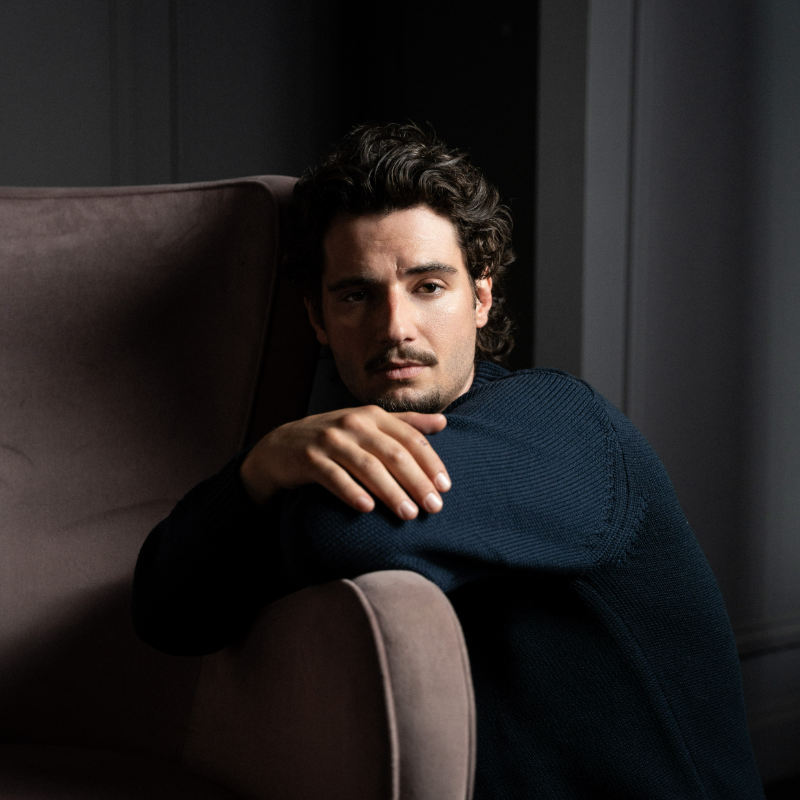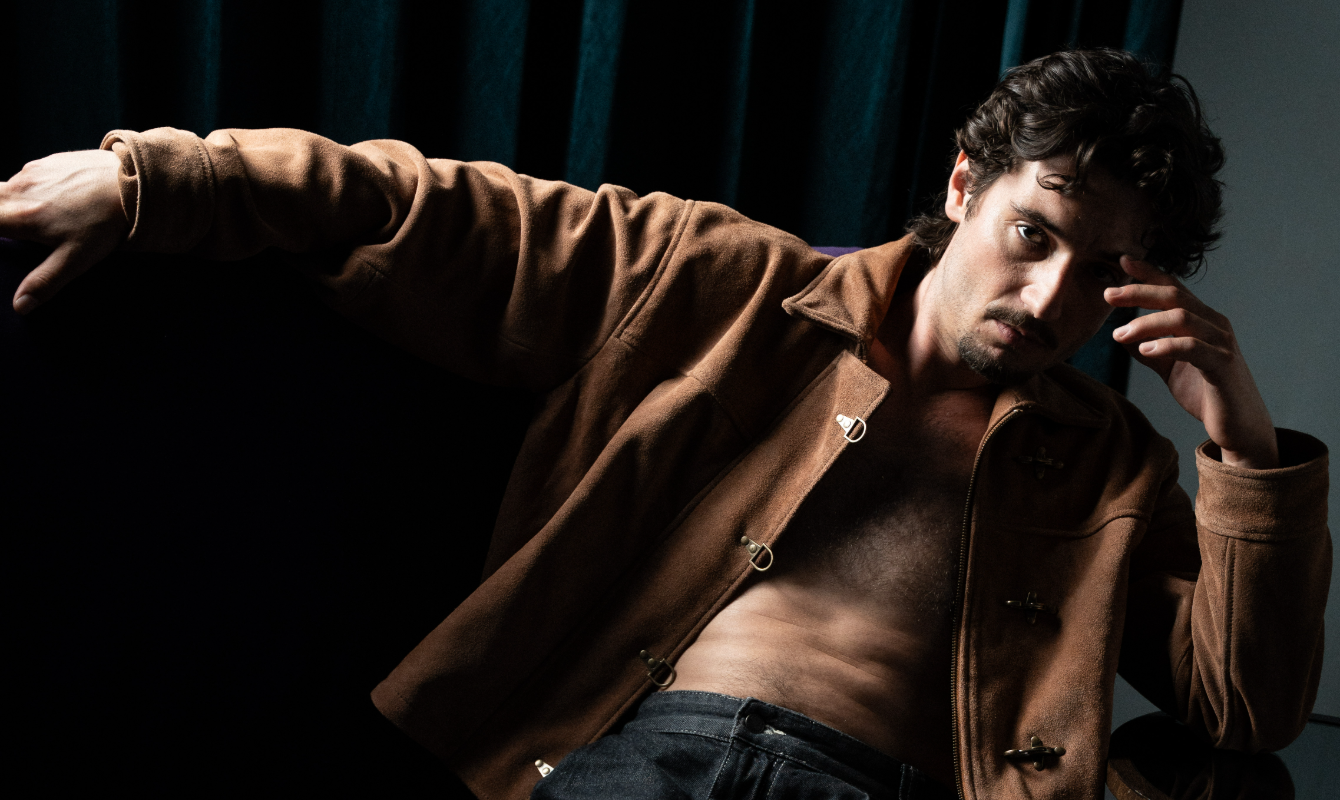

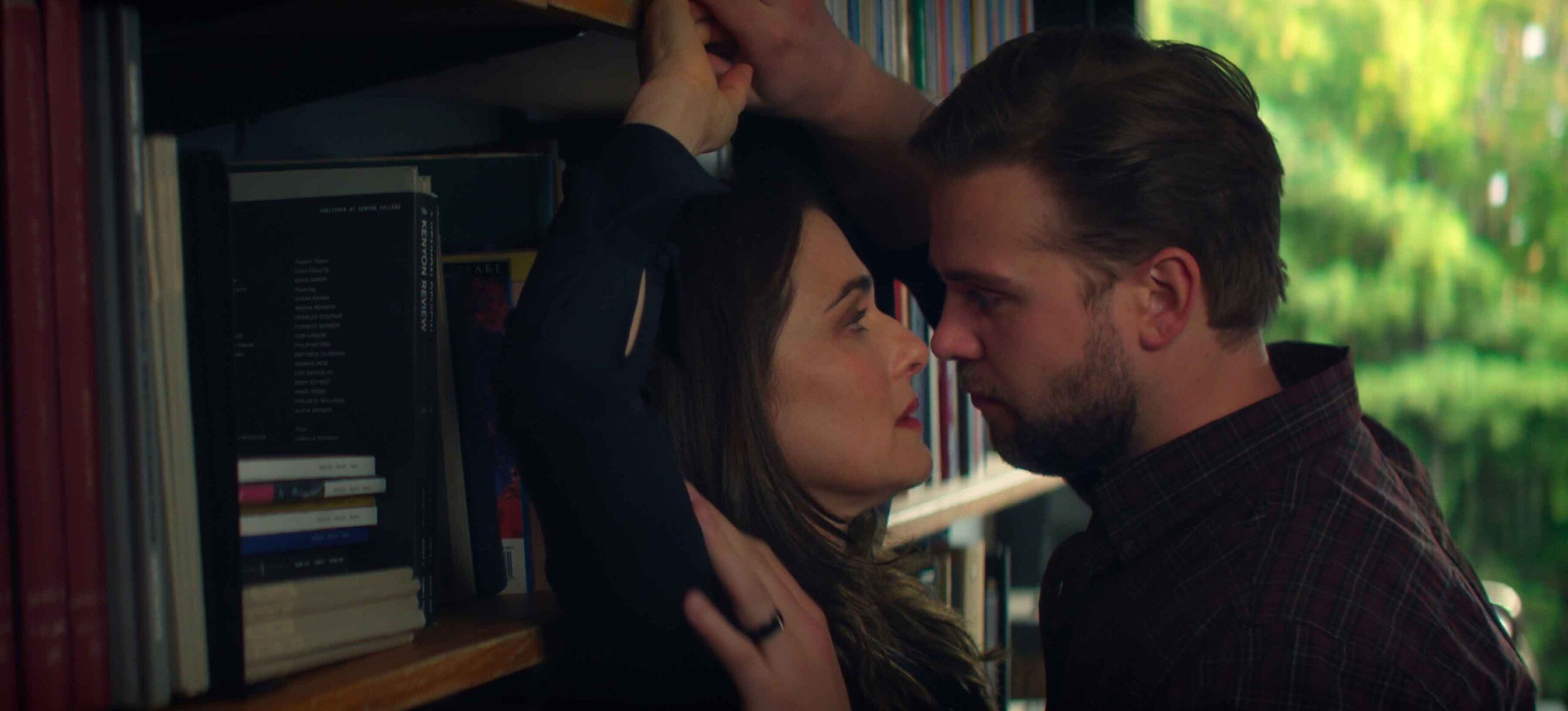
VLADIMIR. (L to R) Rachel Weisz as The Protagonist and Leo Woodall as Vladimir in Episode 108 of Vladimir. Cr. Courtesy of Netflix © 2026
Vladimir Is an Irresistible Exploration of Obsession Starring Rachel Weisz
Netflix has unveiled a first look at Vladimir, and it already feels like one of the platform’s most deliciously slippery releases of the season: part campus drama, part erotic psychological spiral, and part darkly funny character study. The eight-episode series stars Rachel Weisz, alongside Leo Woodall and John Slattery, and is due to premiere on Netflix on 5 March 2026.
Adapted from Julia May Jonas’s 2022 novel, Vladimir follows a middle-aged professor whose life begins to fray as she becomes consumed by an obsessive fixation on a younger colleague, played by Woodall. Netflix’s own materials frame it as a subversive series about desire, fantasy and the stories we tell ourselves when reality starts to feel too small.
Rachel Weisz leads a smart, subversive Netflix drama
What immediately makes Vladimir feel more interesting than a straightforward “forbidden attraction” story is its point of view. Weisz’s unnamed protagonist is not written as a neat heroine or a cautionary tale. She is messy, intelligent, desirous, contradictory and crucially often unreliable.
In Netflix’s first-look coverage, Weisz describes the tone as “like a heightened fairy tale”, while also pointing to the show’s balance of comedy and drama. That tonal mix matters. This is not simply a prestige drama about longing; it appears to be a knowingly mischievous examination of fantasy, self-presentation and the private narratives people build to survive themselves.
Weisz also executive produces the series, with Julia May Jonas serving as creator, writer and executive producer on the adaptation of her own novel.
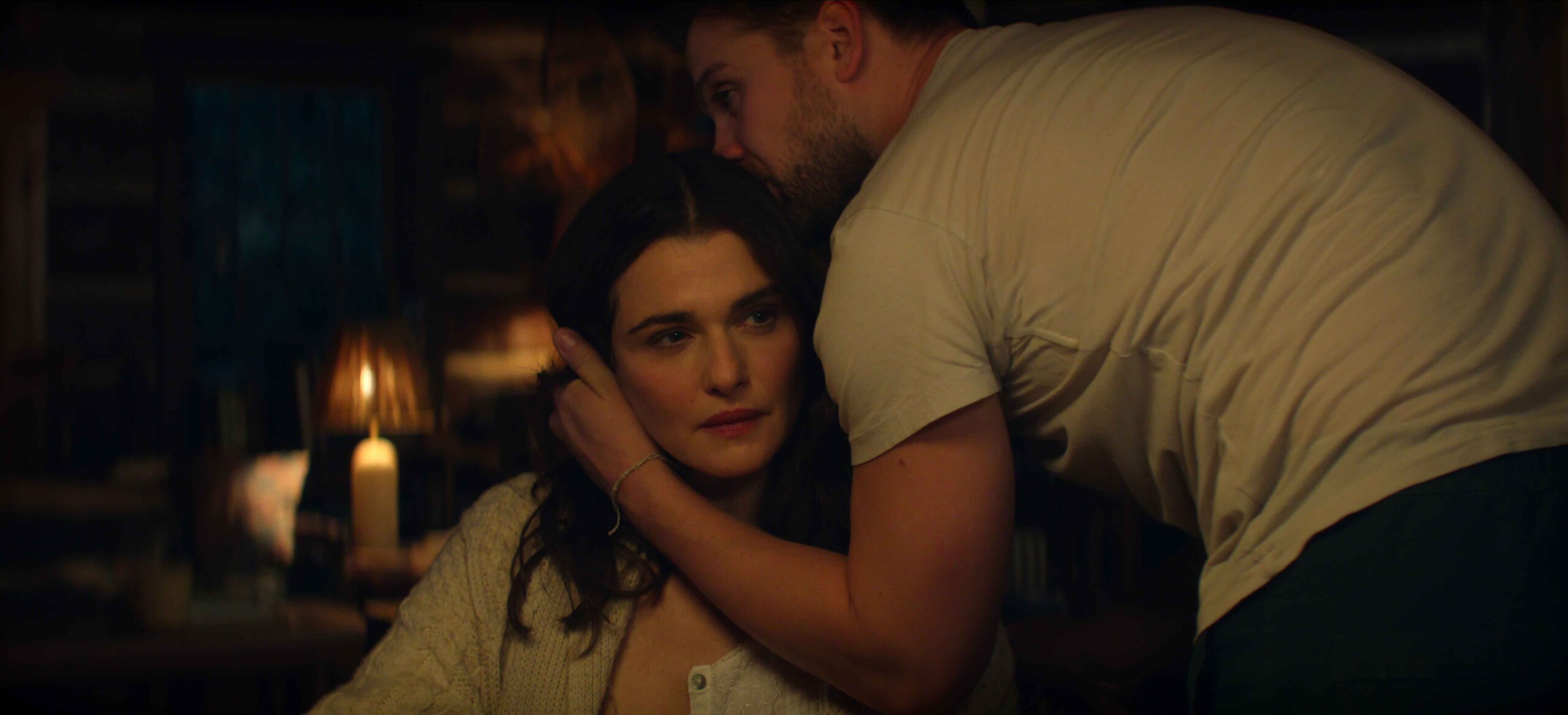
VLADIMIR. (L to R) Rachel Weisz as The Protagonist and Leo Woodall as Vladimir in Episode 108 of Vladimir. Cr. Courtesy of Netflix © 2026
What Vladimir is about
The series begins with a woman who no longer feels in step with her own life. Her writing career has stalled, her once-popular university course no longer draws the same attention, and her relationships at home and at work are under strain. Then Vladimir arrives: a younger, charismatic writer joining the faculty, and suddenly the emotional temperature changes.
That setup alone could have gone in a number of familiar directions. But Vladimir seems far more interested in ambiguity than certainty.
Because the story is filtered through the protagonist’s perspective, the series invites the audience to question what is flirtation, what is projection, and what might simply be longing dressed up as evidence. Woodall has highlighted that very uncertainty, suggesting the show leaves room for viewers to interpret Vladimir’s intentions for themselves.
It is a clever framework one that keeps the emotional stakes high without reducing the story to a simple love triangle.
Leo Woodall and John Slattery add real tension to the cast
The casting is a major part of why Vladimir is already attracting attention.
Leo Woodall, coming off a run of high-profile screen work, plays the titular object of fixation a role that appears to rely as much on ambiguity and restraint as obvious charisma. Opposite him, John Slattery plays the protagonist’s husband, a fellow professor whose own past and present behaviour complicate the moral atmosphere of the series. Jessica Henwick also stars as Cynthia, Vladimir’s wife, while Ellen Robertson appears as the protagonist’s daughter, Sid.
That ensemble gives Vladimir a broader dramatic field than its title may initially suggest. This is not just a story about who wants whom. It is also about marriage, power, ageing, reputation, and the politics of desire inside institutions that claim to be enlightened.
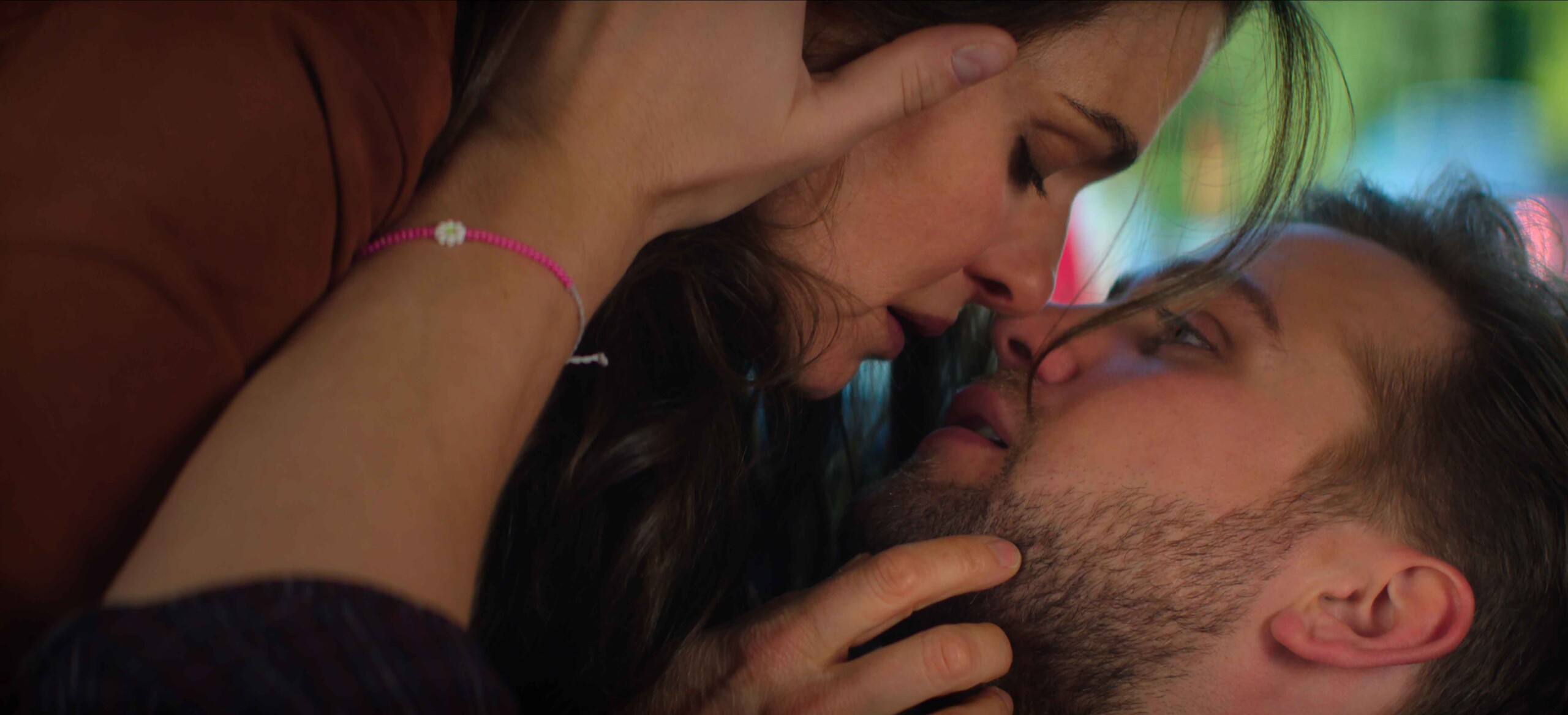
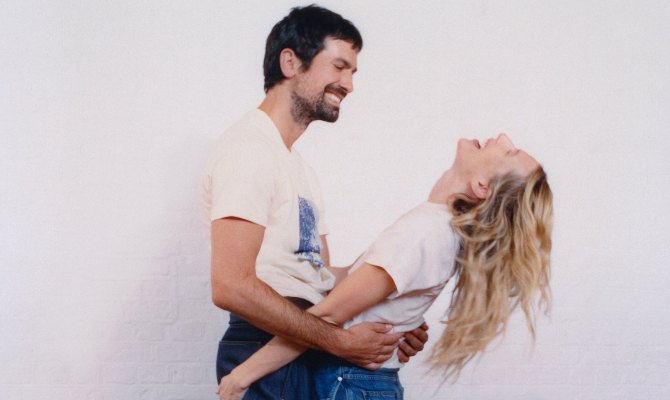
VLADIMIR. (L to R) Rachel Weisz as The Protagonist and Leo Woodall as Vladimir in Episode 107 of Vladimir. Cr. Courtesy of Netflix © 2026
Why Vladimir feels timely
Much of the intrigue around Vladimir lies in its willingness to explore female desire without sanding away its discomfort.
Netflix’s first-look material emphasises the protagonist’s fears around ageing, visibility and being expected to “want less” as an older woman a tension that gives the series more weight than simple erotic provocation. At the same time, the campus setting introduces questions of power, gender politics, and public judgement, giving the show a pressurised social context rather than a purely private one.
In other words, Vladimir appears to understand something many dramas miss: obsession is rarely only about sex. It is about attention. Validation. Narrative control. The fantasy of being seen again.
A stylish first look with a sly point of view
One of the more intriguing formal choices revealed so far is Weisz’s direct address to camera, which gives viewers access to the protagonist’s inner thoughts while also raising doubts about how truthful those thoughts really are. Jonas and Weisz have both spoken about using that device to play with performance, self-presentation and the gap between what the character says and what is actually happening.
That choice should give Vladimir a sharper edge than a standard literary adaptation. It suggests a series that is not merely adapting plot, but translating the novel’s voice and its slippery self-awareness into screen language.
Final word
With Rachel Weisz at the centre, Vladimir looks poised to be one of Netflix’s most compelling spring releases: intelligent, sensual, funny in the right places, and just self-aware enough to keep its obsession story from collapsing into cliché.
If the first look is anything to go by, Vladimir is not interested in tidy answers. It is interested in the thrill of uncertainty and in the seductive chaos that begins when fantasy starts speaking louder than fact. The series premieres on 5 March 2026 on Netflix.