We believe in the power of knowledge, inspiration, and entertainment, and through your subscription, you are directly contributing to the growth and development of Lewis Magazine. Your support enables us to invest in talented writers, photographers, and creatives, ensuring that we can bring you the best possible content every month. As a valued member, you can take pride in knowing that the content you are about to read is part of your subscription and is exclusively available for members only.
Delving into the complexities of relationships, The Voyeurs provides an insight into the effects of being a fly on the wall, and the devastating impacts that this can have. It brings to light how our fascination with the lives of others can be detrimental to our real-life relationships.
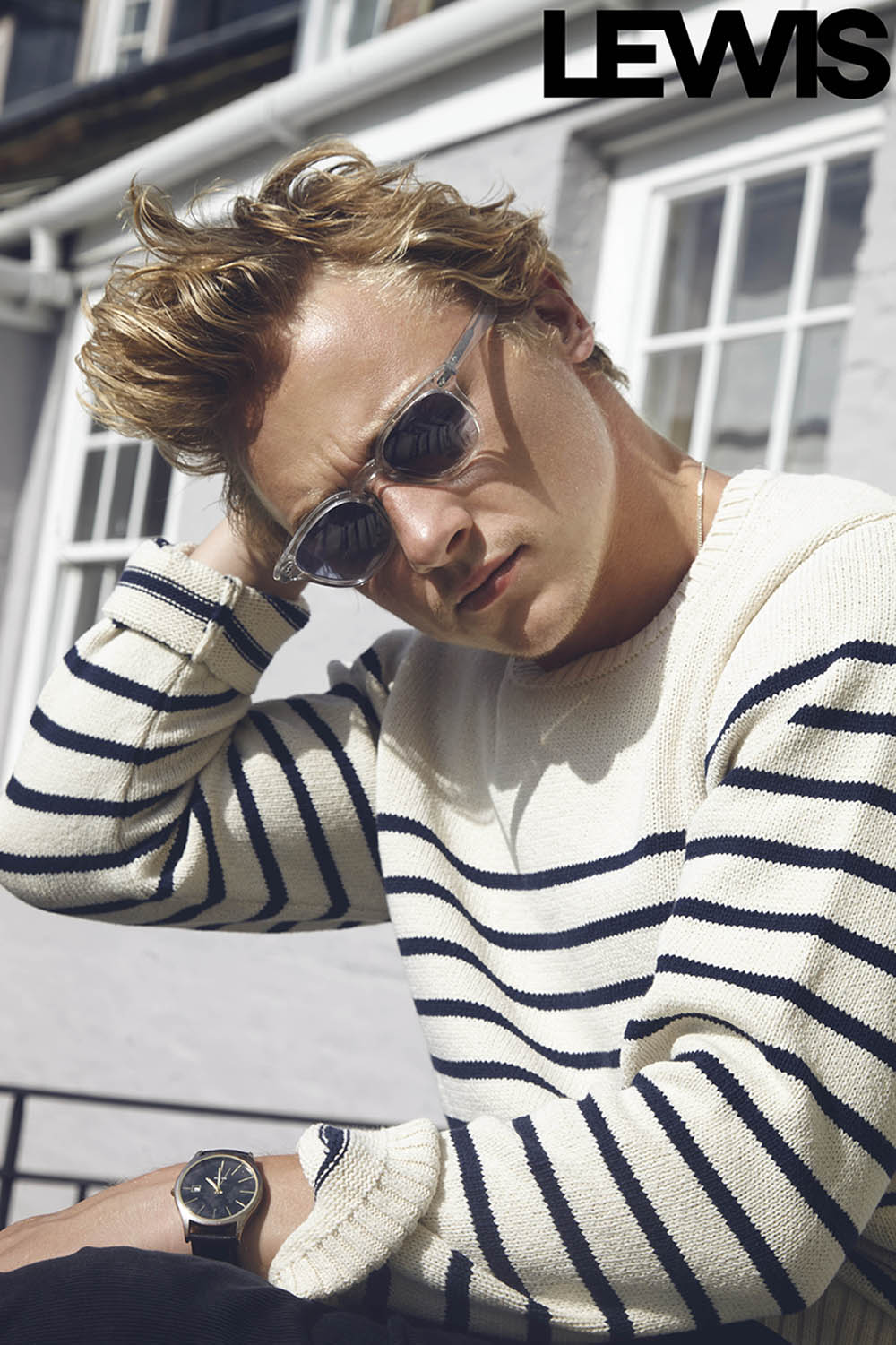
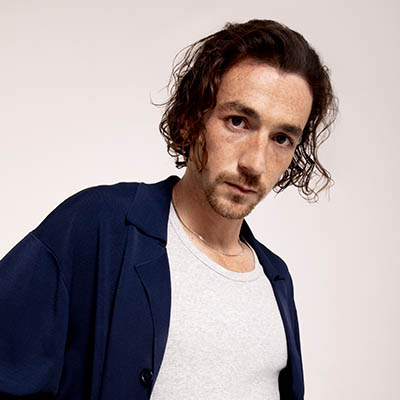
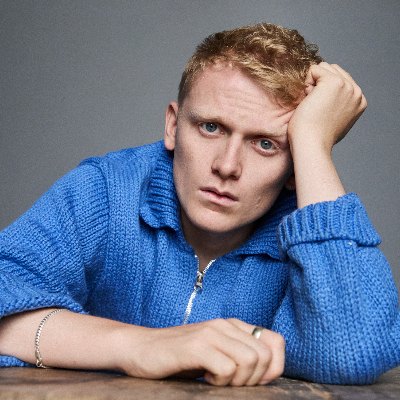
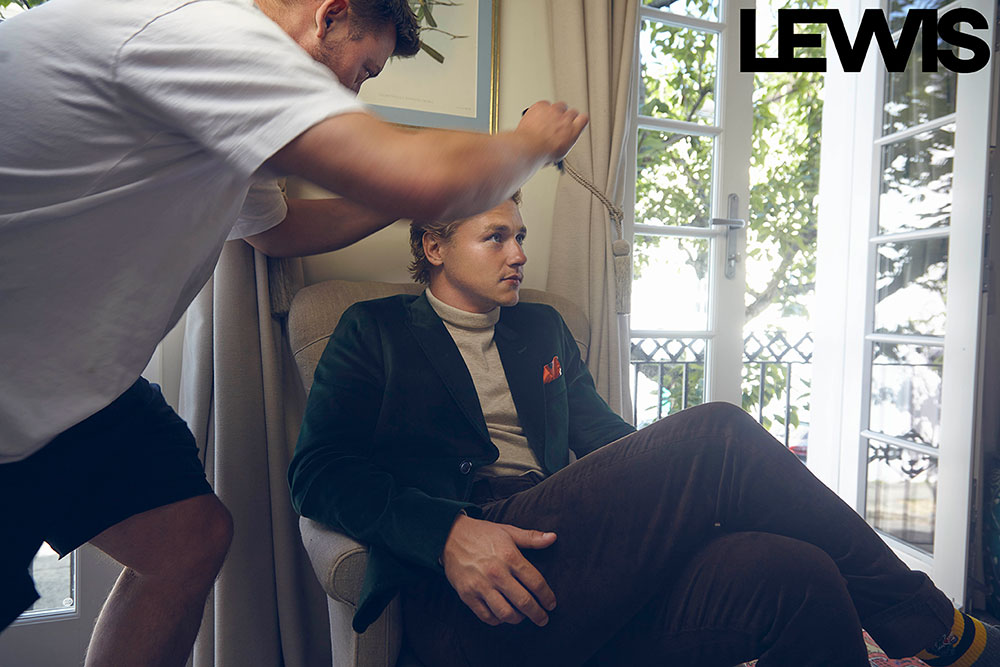
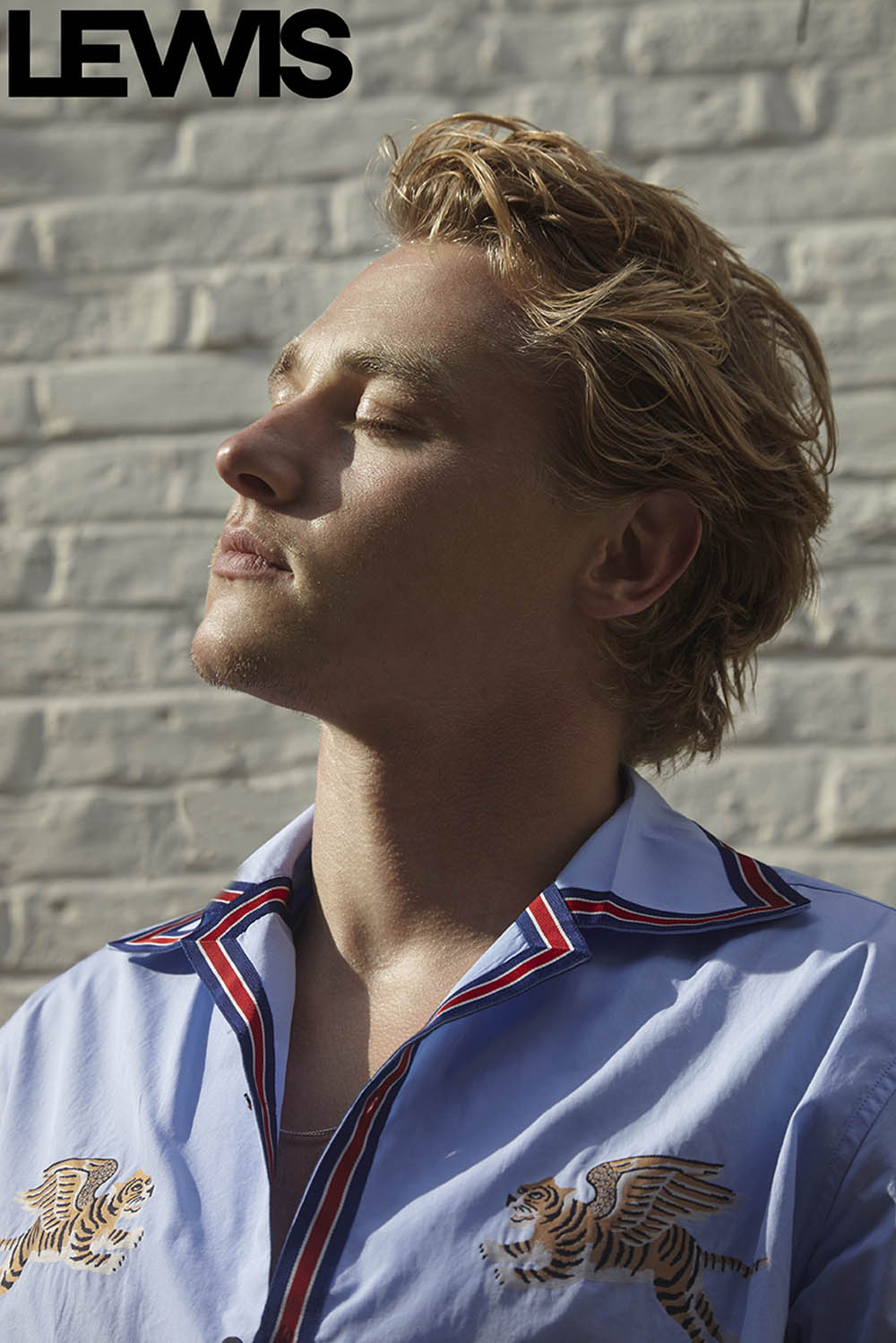
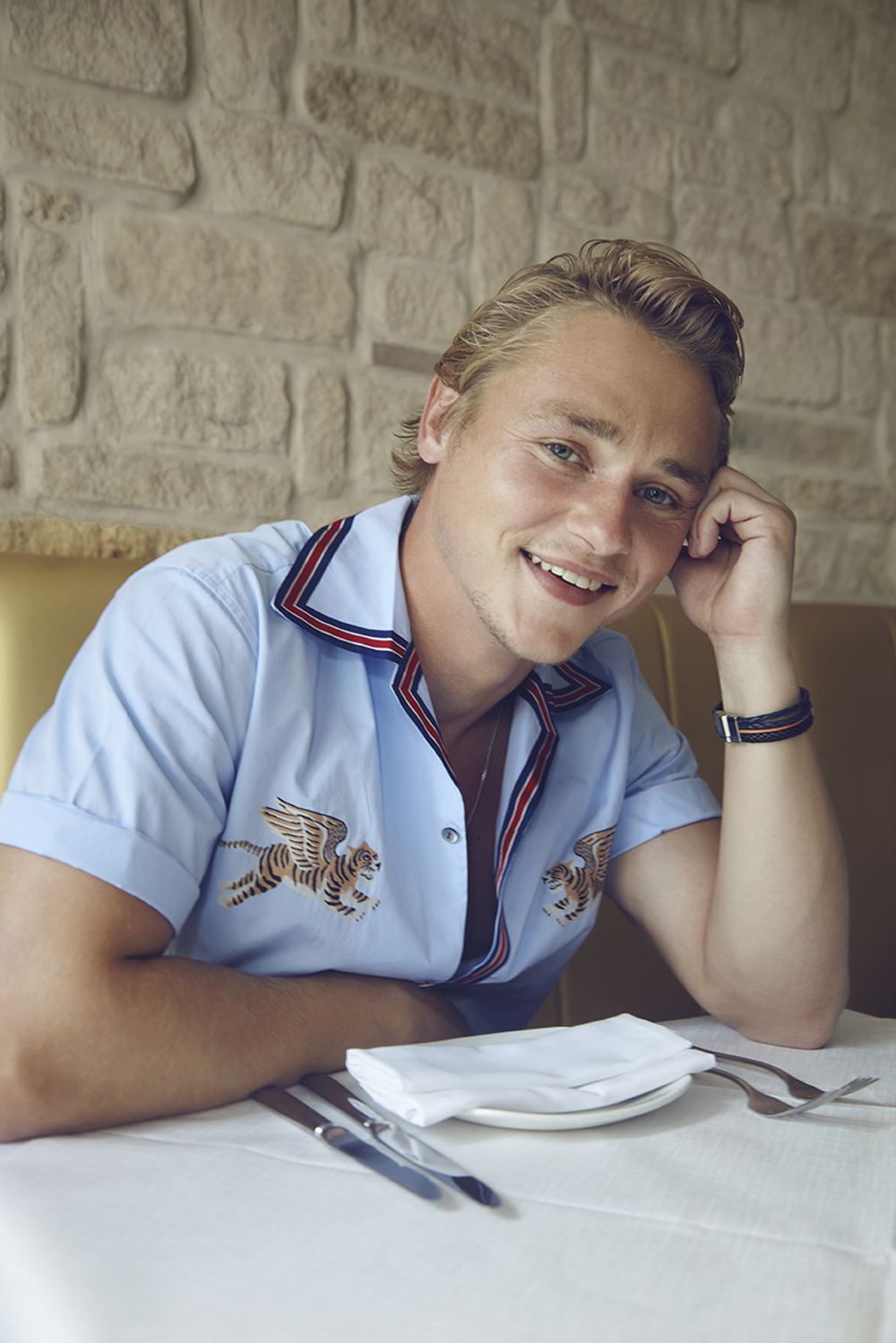
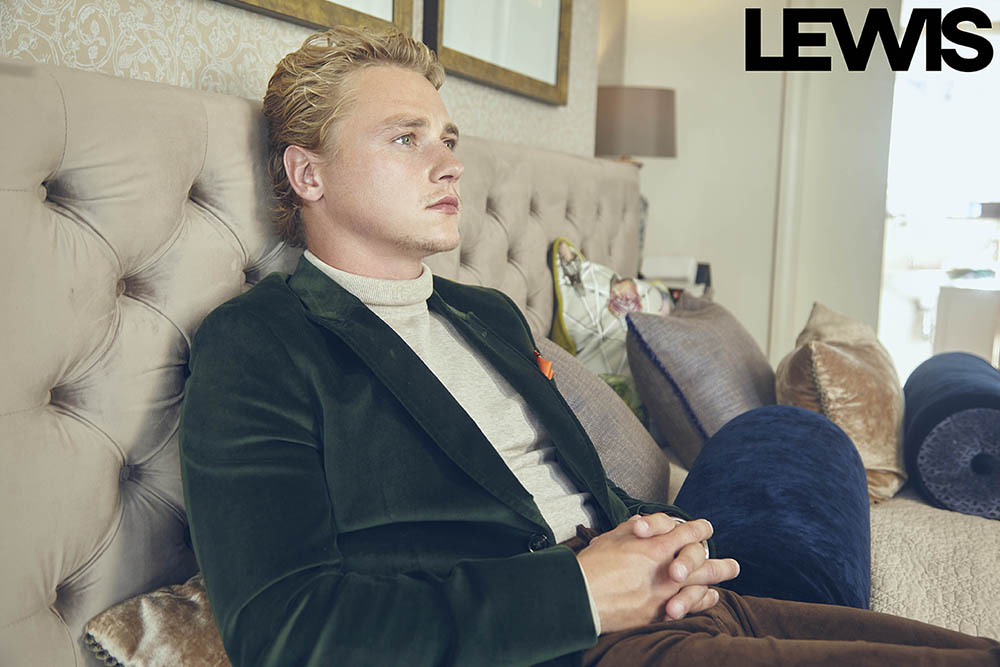
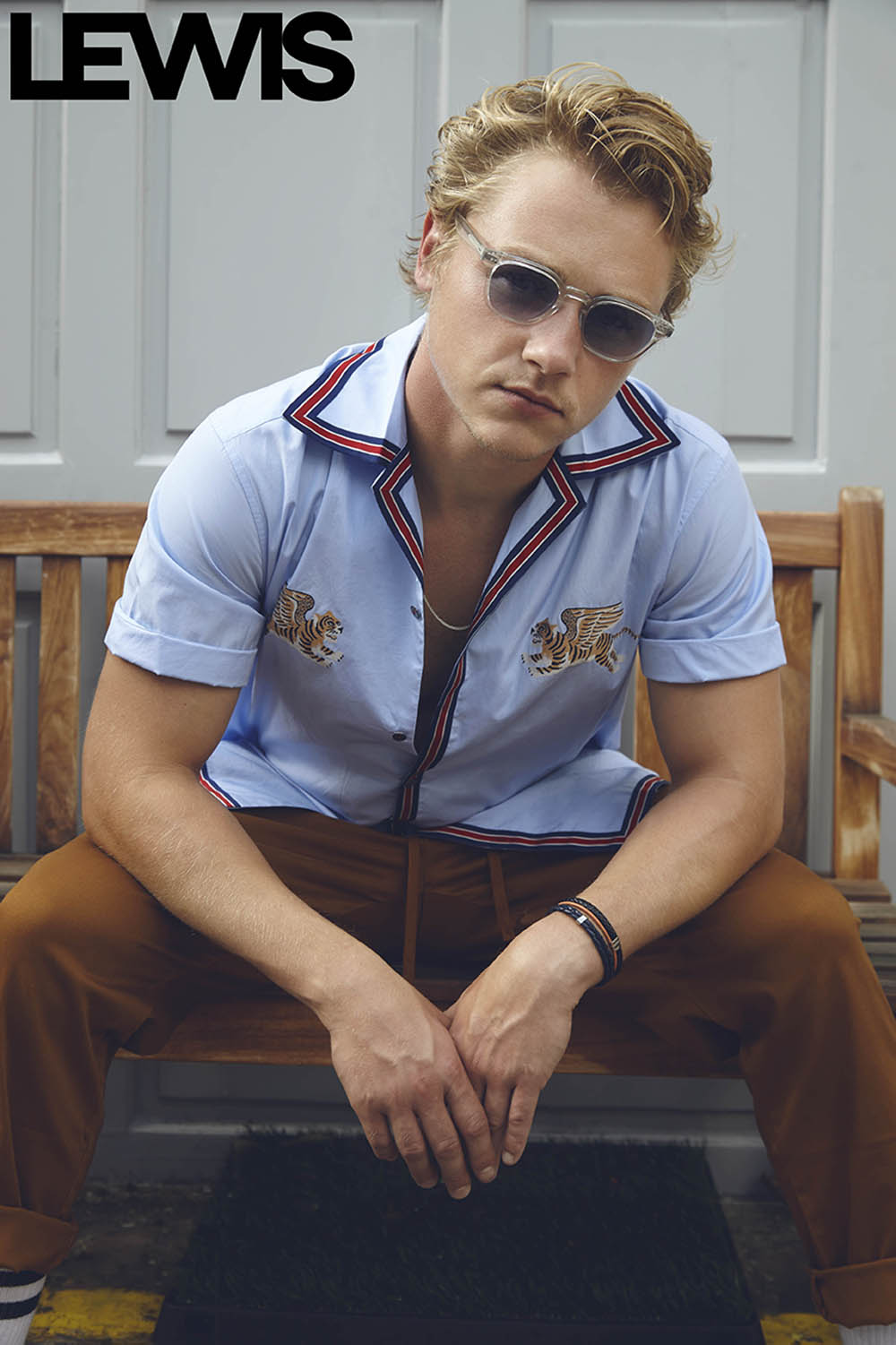
Ben Hardy takes on the complicated character of Seb, a seemingly heartless photographer. Lewis Magazine catches up with Ben to talk about his rise to fame and the real effects that social media can have.
What has been your journey into the acting world?
I took up acting when I was about 15. My introduction to it was with an amateur theatre group doing West Side story. Even though I had originally wanted to be an athlete, from this experience, I felt that this world was for me. I then went on to go to drama school when I was 18. It was a great experience but, as any, it has its pros and its cons. Having said this, I don’t regret going as I think it’s an excellent platform to get yourself into the industry.
After graduating, I went into theatre for a couple of years. I did a play at the Donmar and one called Judas’ Kiss at the Hampstead Theatre which then went onto the West End where I had to get my kit off. I remember being really nervous about that at the time but, as a young drama graduate, I had to pay the bills and I actually really liked the script. After that I went into EastEnders for about 18 months and then I went over to America as I thought that, given the attitude at the time, I wasn’t going to get any British work after being in EastEnders. I ended up landing a role in X-Men and have been continually hustling from there. I would like to go back to the stage, particularly as things are opening up again now.
You’ve had three concurrent projects in the works – The Voyeurs, The Statistical Probability of Love at First Sight and The Girl Before. How have you managed to juggle these?
I finished filming The Voyeurs in December 2019, just before the Pandemic hit. Like many others, I didn’t work for the majority of 2020. I then started working on The Statistical Probability of Love at First Sight in December 2020 just before another Lockdown happened; I was so grateful to be working again. After this had finished filming, I had around a month off then went onto The Girl Before. I got to watch the world open up with a wonderful cast and crew.
How do you manage to inhabit three different spaces at once?
I had around a month off in between. This meant that I could just put one to bed then start from the ground up working on something else. I’ve never done a job where I’ve gone straight onto something else. That must be so difficult. Four weeks is the time I need before starting work on a new character; to properly enter that headspace.
What do you think you’ve learnt from these roles?
Michael Mohan, the director of The Voyeurs, was extremely collaborative and a wonderful person to work with. He welcomed the actors bringing their own creative ideas to the table and didn’t have a vision that was set in stone. He was happy for his ideas to be moulded into something else. Michael encouraged us to be introspective and asked, “what would be the most fun for you?” with respect to developing our characters. I’ve now been able to take that mentality to my other work. I spent a lot of time over the years feeling that, as an actor, I was in servitude to someone else’s vision. Now I have a bit more confidence to give input during the development stage.
How did your perception of your character Seb change from the first reading of the script to now?
We had this very interesting situation throughout filming of The Voyeurs as it had an ever-evolving ending that is open to interpretation. I decided, from pretty early on, to stick with my interpretation and develop from there.
For me, there’s a world in which you can view Seb as being heartless. I don’t think anyone is inherently bad, so my job was to try and bring heart to him and to develop him as a person. I felt like I was achieving that throughout this process.
What do you think the concept of being able to see into someone else’s life (as seen in The Voyeurs) says about society?
The Voyeurs is an analysis of people’s obsession with looking into a particular version of another person’s life. Seeing only one facet can be damaging for lots of people. You can see this in the negative impacts that Instagram can have as it creates an idealised version of the ‘best side’ of an individual. The film dramatizes these feelings and develops how they will play out in real life.
What was challenging about your role? Why?
I found the development of my photography skills extremely difficult; it’s so complicated. Working with digital cameras was a real skillset with a lot to learn. When developing a character, it’s great for them to have a hobby or a profession. This can help to interpret their physical qualities; the way they walk, or even the way that they hold themselves.
What did you find most exciting about this filming process?
We shot the majority of our scenes in our apartments which were built in a studio. Having that world built up an illusion for both the audience and the actors; I spent hours in ‘my’ apartment. It got to the stage where it would feel strange to leave those familiar walls. Sometimes we’d film until 4am that it almost made sense to just sleep there as we’d be going back the next morning!
It was the second time that I’d filmed in Montreal, and I’d worked with some of the crew before; Colette Martel in the hair department was there on X-Men as well as The Voyeurs. It was fantastic to be reunited with them. There’s always a great atmosphere and the crew there is just amazing.
What would you like people to take from The Voyeurs?
I just want everyone to have a good time and I’d love to know everyone’s opinions on it, and how it makes them feel about their own voyeuristic lifestyles.
You grew up in the countryside and now you’re travelling the world doing what you love. How was this transition? Did you find it difficult to adapt?
Definitely – in a way I feel like I am still searching for my home. It’s a wonderful lifestyle, and the idea of being able to stay in fancy hotels around the world is so appealing. But that hotel room can feel like a prison cell after a few months; it can be incredibly isolating. Yet there are so many people in the same boat when you’re working on a film or TV show. You form a close-knit ‘familyesque’ relationship with everyone on set, so this can make it hard to leave at the end of a job.
In my rural town there’s a real sense of community, I didn’t feel like it did much for me, but Lockdown has really shown its value. I’m now trying to find that again; having a local shop, pub, or butchers and for people to know your name and be happy to greet you! Recently, I think people have become more friendly with their neighbours which is fantastic to see. I consider myself a bit of an introvert, but I’ve realised now how necessary it is to have others around me. One of my friends told me that, in order to be the happiest that you can be, you want to have 6 conversations with 6 different people throughout the day.
You have become an incredible ally to BLM. Why do you think it is important to use your platform to bring light to global issues?
Essentially it came to be as I read an article about another actor that had done something similar. It was something that I had felt passionately about but didn’t really know how to express myself. I feel underqualified to be preaching about issues that I don’t know, and intrinsically cannot know about. All that I can do is read and learn about them.
I reached out to various people who were having their voices heard. Black Lives Matter UK became really helpful throughout the process which was amazing to facilitate getting people onto my platform.
I still don’t know 100% whether it was the right thing to do. Some people have said that I should have maybe attached myself to it more personally, but I wanted to give others the platform to try and make a difference. Some of the people that did the Instagram takeover said that they enjoyed it, and found it really useful. I just hope that the momentum hasn’t died off.
How did you find the reception among your followers?
I knew that it wasn’t 100% welcome; there were some people that seemed confused and not necessarily happy that there was a lack of content from me. It was a little disheartening, but I guess I can understand that it wasn’t the content that they had signed up for.
Yet I have to remind myself that even if it’s only a handful of people, it will be a handful of people that learn something from it and end up taking that into their lives. I know I did.
I don’t really want to be seen as taking much credit for it. I didn’t really do much; all I did was change my password and hand it over to those who could actually educate. It was a ‘why wouldn’t I do that?’ moment as I was in the position of having a lot of followers and the potential to create a wide reach.
What are you most proud of; both professionally and personally?
I’m proud of acting in Bohemian Rhapsody; I’m happy to have been attached somewhat to Queen’s legacy. I worked really hard to learn how to play the drums, as well as working on the scenes and script. I’m proud of my determination. It was exhausting; spending 10 hours a day playing the drums and then being worried that my character work felt like it was falling to the wayside. I’m really pleased that I pulled that off, and to have been a part of a film that brought joy to so many people.
I’m also really pleased with how I took on the acting challenge of my role in The Girl Before which was one of the hardest roles I’ve had to play. It was mind-bending, particularly in the times that we’re living in now.
I try to think about what films have given me (and still do now). When I was younger, they gave me, not just escapism, but also the opportunity to relate to other people. It can make you feel less alone and a part of something.
What advice would you give to your younger self if you could do this journey again?
I wish I had been less afraid as a younger actor; I had a lot of inhibitions. This meant that I found it hard to throw myself into roles without caring too much about what other people thought. I think worrying about other people’s criticism is natural and human, but you can’t let it be all-consuming. I have definitely grown and am better at putting those concerns to one side. It felt like there was an attitude that we should be lucky to be working. I mean this is true; 92% of actors are out of work, but that idea kind of transfers over to removing a sense of self-creativity if you’re not careful. If I could speak to my younger self, I would tell him to let go a little bit. I think everything that needed to happen happened and it’s all lead to where I am now. This job is ever evolving, which is the beauty of it.
And finally; what’s next for you? What are you looking forward to?
I recently wrapped on The Girl Before and now I don’t know what’s next. I’m OK with that.
It’s tricky to answer that question as the future does feel a little bit out of control. I can have ideas that I would like to work in a specific genre, or with specific people but I’m not there yet. For me, it’s just whatever scripts or auditions come in. I don’t let the world decide for me; I do say no to things. I would really like to work on a series; the thought of coming back to a work family year after year really appeals to me. But again, only if it’s the right script or character that feels challenging and rewarding. It’s quite hard to maintain selectivity as there’s still a part of graduate me thinking ‘You need to work; other people would be so thankful to have this. Take it.’
This editorial is reserved solely for our Lewis Extra members and we extend our gratitude for your continued support.